Is 35.9 a Normal Temperature for a Baby? The Ultimate Guide for Parents
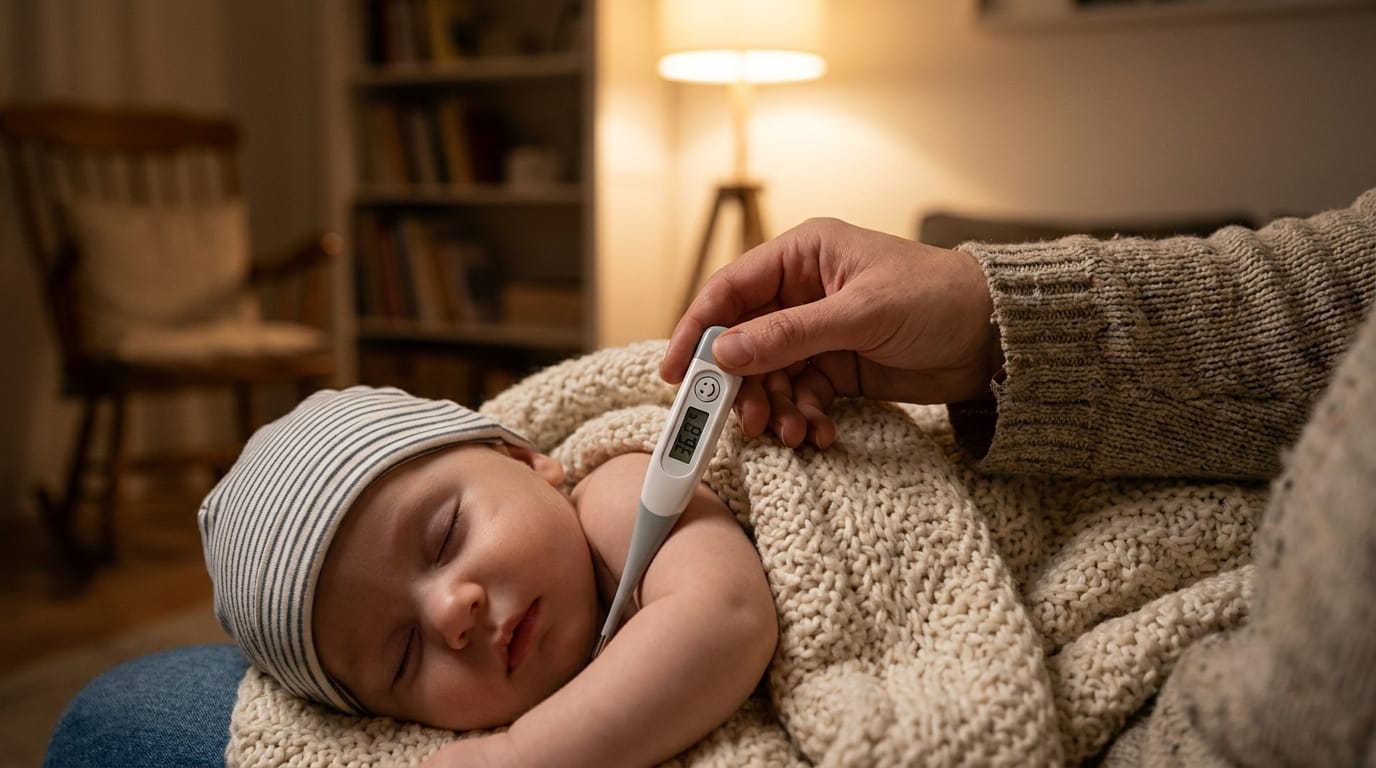
As a new parent, you might find yourself staring at a digital thermometer at 2 AM, frantically wondering, is 35.9 a normal temperature for a baby? Take a deep breath, make yourself a warm cup of tea, and relax.
You are definitely not the first parent to panic over a thermometer reading, and you certainly won’t be the last. Babies are tiny, fragile, and don’t come with an instruction manual.
It is completely natural to feel overwhelmed when something seems slightly off with your little one. We have all been there, hovering over the crib and second-guessing every single detail.
Today, we are going to sit down like two good friends and figure this out together. No complicated medical jargon, no scary statistics—just simple, straightforward, and reliable advice.
By the end of this guide, you will know exactly what that thermometer reading means and what steps you need to take to keep your baby cozy, safe, and happy.
What is the “Normal” Temperature Range for a Baby?
Before we dive into your specific reading, we need to understand what “normal” actually looks like for an infant.
Babies do not regulate their body heat the same way adults do. They lose heat much faster and have a harder time warming themselves back up.
Because of this, their baseline temperature is a little different from ours.
Generally speaking, a normal, healthy temperature for a baby ranges between 36.5°C and 37.5°C (97.7°F to 99.5°F).
This is the sweet spot where their little bodies are functioning perfectly, digesting food well, and sleeping comfortably.
If your baby’s temperature falls exactly within this range, you can pat yourself on the back. They are perfectly fine!
But what happens when the number on the screen drops a little below that magic 36.5°C mark? Let’s break it down.
So, Is 35.9 a Normal Temperature for a Baby?
To get straight to the point: no, 35.9°C is slightly below the normal range for an infant.
However, please do not panic! A reading of 35.9°C is considered mildly low, but it is rarely a reason to rush to the emergency room immediately.
In the medical world, a body temperature that drops below 36.5°C in a newborn is referred to as mild hypothermia. While that word sounds incredibly scary, in this context, it usually just means your baby is a little too chilly.
Most of the time, a reading of 35.9°C is a quick, fixable problem caused by environmental factors rather than a serious illness.
Your baby might just need a little help from you to get their body heat back into that comfortable, healthy zone.
Why Parents Often Ask: Is 35.9 a Normal Temperature for a Baby?
You are probably asking this question because your baby feels a little cool to the touch, or maybe you took their temperature just to be safe.
It is a very common question because 35.9°C is right on the border. It is not drastically freezing, but it is just low enough to trigger a digital thermometer’s warning beep.
When you ask, is 35.9 a normal temperature for a baby, the short answer is that it requires your attention, but usually just a few simple adjustments at home.
Common Reasons Your Baby’s Temperature Might Drop
So, why did your little one’s temperature drop to 35.9°C in the first place? There are actually several very common, everyday reasons for this.
Babies have very little body fat, and their internal “thermostat” is still developing. Here are the most common culprits:
-
A chilly room: If the nursery is cooler than 20°C (68°F), your baby might struggle to stay warm, especially at night.
-
Wet or soiled diapers: Leaving a wet diaper on for a little too long can pull heat away from your baby’s tiny body very quickly.
-
Post-bath chills: Water evaporates off a baby’s skin rapidly after a bath, causing a sudden drop in body temperature.
-
Not enough layers: Sometimes, a cute, lightweight onesie just isn’t quite warm enough for the current weather.
-
Thermometer errors: Believe it or not, improper thermometer placement is one of the biggest reasons for an artificially low reading!
As you can see, most of these reasons are incredibly normal parts of daily parenting. They are easily fixed with a bit of extra care and attention.
How to Take Your Baby’s Temperature Accurately
Before you start adding blankets, let’s make sure that reading was completely accurate. Digital thermometers can be tricky little devices.
If the thermometer was not placed correctly, it will give you a lower number than your baby’s true core temperature.
Here are a few quick tips to ensure you are getting an accurate reading:
-
Under the arm (Axillary): Make sure the tip of the thermometer is tucked deep into the armpit, touching only skin, not clothing. Hold their arm snugly against their side.
-
Forehead (Temporal): Ensure there is no sweat on your baby’s forehead, as evaporation can cool the skin and give a falsely low reading.
-
Ear (Tympanic): These are not recommended for babies under 6 months old because their ear canals are too small for an accurate reading.
-
Rectal: This is actually the gold standard for babies and is highly recommended by pediatricians for the most accurate core temperature.
If you took the temperature under the arm and got 35.9°C, try taking it one more time. Make sure the thermometer is positioned perfectly.
Sometimes, simply readjusting the device will magically bump the reading back up to a normal 36.5°C!
Step-by-Step: How to Safely Warm Up Your Chilly Baby
Alright, let’s say you double-checked, and the thermometer still reads 35.9°C. What do you do now?
It is time to gently and safely help your little one warm back up. The keyword here is safely. We want to warm them up gradually, not roast them!
Here is your fail-proof, step-by-step game plan:
1. The Magic of Skin-to-Skin Contact
This is the absolute best, fastest, and most natural way to warm up a cold baby. Your body is like a giant, perfectly regulated heating pad. Take off your baby’s shirt (leave the diaper on) and place them bare-chested against your bare chest. Cover both of you with a soft, warm blanket. Your body heat will transfer to them almost instantly.
2. Check the Diaper and Clothes
A slightly damp diaper or a onesie that got wet from drool can suck the heat right out of a baby. Change them into a completely dry, fresh set of clothes. Sometimes, this simple step is all it takes to stop the heat loss.
3. Add “One Extra Layer”
A great rule of thumb is that your baby needs exactly one more layer of clothing than you are currently wearing to be comfortable. If you are wearing a t-shirt, put your baby in a long-sleeve onesie plus a light swaddle or sleep sack.
4. Put on a Hat and Socks
Babies lose a massive amount of their body heat through their heads and tiny little feet. If their temperature is reading low, pop a soft cotton beanie on their head and slide some cozy socks onto their feet.
5. Adjust the Room Temperature
Check the thermostat in your house. The ideal room temperature for a baby’s room is between 20°C and 22°C (68°F to 72°F). If the room feels drafty or chilly to you, it is definitely too cold for your baby.
What NOT to Do When Warming Your Baby
When we see a low number on the thermometer, our parent-panic instinct kicks in. We want to fix it immediately.
However, overdoing it can be just as dangerous as the cold itself. Babies cannot sweat properly, which means they can overheat very quickly.
Never use hot water bottles, electric heating pads, or heavy, adult-sized winter quilts on a baby. These items can cause severe burns or put the baby at risk of Sudden Infant Death Syndrome (SIDS) due to overheating and suffocation.
Never try to warm a baby up by putting them in a hot bath. If their core temperature is low, a hot bath can actually shock their system and drop their blood pressure.
Stick to gentle, natural warming methods like skin-to-skin contact and soft layers. Patience is key here.
Re-Checking the Temperature: The 30-Minute Rule
Once you have done skin-to-skin or added a cozy layer, you need to wait.
Do not obsessively check the thermometer every two minutes; it will only drive you crazy and annoy your baby!
Wait about 30 minutes after you have started warming them up. Give their little body time to absorb the heat and regulate itself.
After half an hour, take their temperature again using the exact same method you used before (e.g., if you used the armpit, use the armpit again).
If the number has climbed up to 36.5°C or higher, congratulations! You did a fantastic job, and your baby is back in the safe zone.
When to Call the Doctor: Recognizing the Red Flags
We have established that a reading of 35.9°C is usually just a mild chill that you can fix at home.
But as a responsible parent, you also need to know when a low temperature is a sign of something more serious. Sometimes, a low body temperature can be a sign of an infection, especially in very young infants.
If you have tried the warming methods above for an hour and the temperature still refuses to rise, it is time to call your pediatrician.
Furthermore, you should seek immediate medical attention if your baby’s low temperature is accompanied by any of these warning signs:
-
Extreme Lethargy: Your baby is unusually floppy, hard to wake up, or shows no interest in their surroundings.
-
Poor Feeding: They are completely refusing the breast or bottle, or they are too weak to suck.
-
Breathing Issues: They are breathing very rapidly, grunting, or their chest is pulling in deeply with each breath.
-
Skin Color Changes: Their skin looks pale, mottled, or has a bluish tint around the lips and fingernails.
-
Age Factor: If your baby is under 3 months old and their temperature stays below 36.5°C despite warming, always call a doctor. Newborns are incredibly vulnerable, and it is always better to be safe than sorry.
Trust your parental intuition. If you look at your baby and your gut tells you something is genuinely wrong, do not hesitate to pick up the phone. Doctors are there to help!
Preventing Low Temperatures at Night
Nighttime is usually when body temperatures naturally drop, and it is also when the house gets the coldest.
To prevent those 2 AM temperature panics, setting up a safe and warm sleep environment is essential.
Instead of loose blankets—which are a major safety hazard in cribs—invest in a good quality sleep sack or wearable blanket. These keep your baby perfectly toasty without the risk of the fabric covering their face.
Keep the crib away from drafty windows, ceiling fans, or direct air conditioning vents.
Check the back of your baby’s neck during the night. If their neck feels comfortably warm and dry, their core temperature is exactly where it needs to be, regardless of what the thermometer said earlier!
Conclusion: Keep Calm and Cuddle On
Being a parent is an incredible journey, but it definitely comes with its fair share of stressful moments.
The next time you catch yourself typing “is 35.9 a normal temperature for a baby” into a search engine, you will know exactly what to do. You don’t need to panic, but you do need to act.
Remember, a reading of 35.9°C is just a little alert from your baby’s body saying, “Hey, I need a snuggle and maybe an extra pair of socks!”
By using simple tricks like skin-to-skin contact, checking for wet clothes, and adding a safe layer, you can easily guide your baby’s temperature back to normal.
You are doing a wonderful job looking out for your little one. Trust yourself, rely on safe practices, and enjoy those warm, cozy baby cuddles.
Over to you! Did you find this guide helpful? Have you ever experienced a late-night thermometer scare with your little one? Let us know in the comments below, and please share this article with other new parents who might need a little peace of mind today!
The Ultimate Parent’s Guide: Decoding Your Baby’s Thermometer and Keeping Them Safe
As a new parent, you might find yourself staring at a digital thermometer at 2 AM, frantically wondering, is 35.9 a normal temperature for a baby? Take a deep breath, make yourself a warm cup of tea, and relax.
You are definitely not the first parent to panic over a thermometer reading, and you certainly won’t be the last. Babies are tiny, fragile, and don’t come with an instruction manual.
It is completely natural to feel overwhelmed when something seems slightly off with your little one. We have all been there, hovering over the crib and second-guessing every single detail.
Today, we are going to sit down like two good friends and figure this out together. No complicated medical jargon, no scary statistics—just simple, straightforward, and reliable advice.
By the end of this guide, you will know exactly what that thermometer reading means and what steps you need to take to keep your baby cozy, safe, and happy.
What is the “Normal” Temperature Range for a Baby?
Before we dive into your specific reading, we need to understand what “normal” actually looks like for an infant.
Babies do not regulate their body heat the same way adults do. They lose heat much faster and have a harder time warming themselves back up.
Because of this, their baseline temperature is a little different from ours.
Generally speaking, a normal, healthy temperature for a baby ranges between 36.5°C and 37.5°C (97.7°F to 99.5°F).
This is the sweet spot where their little bodies are functioning perfectly, digesting food well, and sleeping comfortably.
If your baby’s temperature falls exactly within this range, you can pat yourself on the back. They are perfectly fine!
But what happens when the number on the screen drops a little below that magic 36.5°C mark? Let’s break it down.
So, Is 35.9 a Normal Temperature for a Baby?
To get straight to the point: no, 35.9°C is slightly below the normal range for an infant.
However, please do not panic! A reading of 35.9°C is considered mildly low, but it is rarely a reason to rush to the emergency room immediately.
In the medical world, a body temperature that drops below 36.5°C in a newborn is referred to as mild hypothermia. While that word sounds incredibly scary, in this context, it usually just means your baby is a little too chilly.
Most of the time, a reading of 35.9°C is a quick, fixable problem caused by environmental factors rather than a serious illness.
Your baby might just need a little help from you to get their body heat back into that comfortable, healthy zone.
Why Parents Often Ask: Is 35.9 a Normal Temperature for a Baby?
You are probably asking this question because your baby feels a little cool to the touch, or maybe you took their temperature just to be safe.
It is a very common question because 35.9°C is right on the border. It is not drastically freezing, but it is just low enough to trigger a digital thermometer’s warning beep.
When you ask, is 35.9 a normal temperature for a baby, the short answer is that it requires your attention, but usually just a few simple adjustments at home.
Common Reasons Your Baby’s Temperature Might Drop
So, why did your little one’s temperature drop to 35.9°C in the first place? There are actually several very common, everyday reasons for this.
Babies have very little body fat, and their internal “thermostat” is still developing. Here are the most common culprits:
-
A chilly room: If the nursery is cooler than 20°C (68°F), your baby might struggle to stay warm, especially at night.
-
Wet or soiled diapers: Leaving a wet diaper on for a little too long can pull heat away from your baby’s tiny body very quickly.
-
Post-bath chills: Water evaporates off a baby’s skin rapidly after a bath, causing a sudden drop in body temperature.
-
Not enough layers: Sometimes, a cute, lightweight onesie just isn’t quite warm enough for the current weather.
-
Thermometer errors: Believe it or not, improper thermometer placement is one of the biggest reasons for an artificially low reading!
As you can see, most of these reasons are incredibly normal parts of daily parenting. They are easily fixed with a bit of extra care and attention.
How to Take Your Baby’s Temperature Accurately
Before you start adding blankets, let’s make sure that reading was completely accurate. Digital thermometers can be tricky little devices.
If the thermometer was not placed correctly, it will give you a lower number than your baby’s true core temperature.
Here are a few quick tips to ensure you are getting an accurate reading:
-
Under the arm (Axillary): Make sure the tip of the thermometer is tucked deep into the armpit, touching only skin, not clothing. Hold their arm snugly against their side.
-
Forehead (Temporal): Ensure there is no sweat on your baby’s forehead, as evaporation can cool the skin and give a falsely low reading.
-
Ear (Tympanic): These are not recommended for babies under 6 months old because their ear canals are too small for an accurate reading.
-
Rectal: This is actually the gold standard for babies and is highly recommended by pediatricians for the most accurate core temperature.
If you took the temperature under the arm and got 35.9°C, try taking it one more time. Make sure the thermometer is positioned perfectly.
Sometimes, simply readjusting the device will magically bump the reading back up to a normal 36.5°C!
Step-by-Step: How to Safely Warm Up Your Chilly Baby
Alright, let’s say you double-checked, and the thermometer still reads 35.9°C. What do you do now?
It is time to gently and safely help your little one warm back up. The keyword here is safely. We want to warm them up gradually, not roast them!
Here is your fail-proof, step-by-step game plan:
1. The Magic of Skin-to-Skin Contact
This is the absolute best, fastest, and most natural way to warm up a cold baby. Your body is like a giant, perfectly regulated heating pad. Take off your baby’s shirt (leave the diaper on) and place them bare-chested against your bare chest. Cover both of you with a soft, warm blanket. Your body heat will transfer to them almost instantly.
2. Check the Diaper and Clothes
A slightly damp diaper or a onesie that got wet from drool can suck the heat right out of a baby. Change them into a completely dry, fresh set of clothes. Sometimes, this simple step is all it takes to stop the heat loss.
3. Add “One Extra Layer”
A great rule of thumb is that your baby needs exactly one more layer of clothing than you are currently wearing to be comfortable. If you are wearing a t-shirt, put your baby in a long-sleeve onesie plus a light swaddle or sleep sack.
4. Put on a Hat and Socks
Babies lose a massive amount of their body heat through their heads and tiny little feet. If their temperature is reading low, pop a soft cotton beanie on their head and slide some cozy socks onto their feet.
5. Adjust the Room Temperature
Check the thermostat in your house. The ideal room temperature for a baby’s room is between 20°C and 22°C (68°F to 72°F). If the room feels drafty or chilly to you, it is definitely too cold for your baby.
What NOT to Do When Warming Your Baby
When we see a low number on the thermometer, our parent-panic instinct kicks in. We want to fix it immediately.
However, overdoing it can be just as dangerous as the cold itself. Babies cannot sweat properly, which means they can overheat very quickly.
Never use hot water bottles, electric heating pads, or heavy, adult-sized winter quilts on a baby. These items can cause severe burns or put the baby at risk of Sudden Infant Death Syndrome (SIDS) due to overheating and suffocation.
Never try to warm a baby up by putting them in a hot bath. If their core temperature is low, a hot bath can actually shock their system and drop their blood pressure.
Stick to gentle, natural warming methods like skin-to-skin contact and soft layers. Patience is key here.
Re-Checking the Temperature: The 30-Minute Rule
Once you have done skin-to-skin or added a cozy layer, you need to wait.
Do not obsessively check the thermometer every two minutes; it will only drive you crazy and annoy your baby!
Wait about 30 minutes after you have started warming them up. Give their little body time to absorb the heat and regulate itself.
After half an hour, take their temperature again using the exact same method you used before (e.g., if you used the armpit, use the armpit again).
If the number has climbed up to 36.5°C or higher, congratulations! You did a fantastic job, and your baby is back in the safe zone.
When to Call the Doctor: Recognizing the Red Flags
We have established that a reading of 35.9°C is usually just a mild chill that you can fix at home.
But as a responsible parent, you also need to know when a low temperature is a sign of something more serious. Sometimes, a low body temperature can be a sign of an infection, especially in very young infants.
If you have tried the warming methods above for an hour and the temperature still refuses to rise, it is time to call your pediatrician.
Furthermore, you should seek immediate medical attention if your baby’s low temperature is accompanied by any of these warning signs:
-
Extreme Lethargy: Your baby is unusually floppy, hard to wake up, or shows no interest in their surroundings.
-
Poor Feeding: They are completely refusing the breast or bottle, or they are too weak to suck.
-
Breathing Issues: They are breathing very rapidly, grunting, or their chest is pulling in deeply with each breath.
-
Skin Color Changes: Their skin looks pale, mottled, or has a bluish tint around the lips and fingernails.
-
Age Factor: If your baby is under 3 months old and their temperature stays below 36.5°C despite warming, always call a doctor. Newborns are incredibly vulnerable, and it is always better to be safe than sorry.
Trust your parental intuition. If you look at your baby and your gut tells you something is genuinely wrong, do not hesitate to pick up the phone. Doctors are there to help!
Preventing Low Temperatures at Night
Nighttime is usually when body temperatures naturally drop, and it is also when the house gets the coldest.
To prevent those 2 AM temperature panics, setting up a safe and warm sleep environment is essential.
Instead of loose blankets—which are a major safety hazard in cribs—invest in a good quality sleep sack or wearable blanket. These keep your baby perfectly toasty without the risk of the fabric covering their face.
Keep the crib away from drafty windows, ceiling fans, or direct air conditioning vents.
Check the back of your baby’s neck during the night. If their neck feels comfortably warm and dry, their core temperature is exactly where it needs to be, regardless of what the thermometer said earlier!
Conclusion: Keep Calm and Cuddle On
Being a parent is an incredible journey, but it definitely comes with its fair share of stressful moments.
The next time you catch yourself typing “is 35.9 a normal temperature for a baby” into a search engine, you will know exactly what to do. You don’t need to panic, but you do need to act.
Remember, a reading of 35.9°C is just a little alert from your baby’s body saying, “Hey, I need a snuggle and maybe an extra pair of socks!”
By using simple tricks like skin-to-skin contact, checking for wet clothes, and adding a safe layer, you can easily guide your baby’s temperature back to normal.
You are doing a wonderful job looking out for your little one. Trust yourself, rely on safe practices, and enjoy those warm, cozy baby cuddles.