How can i safely clean baby play mats and toys
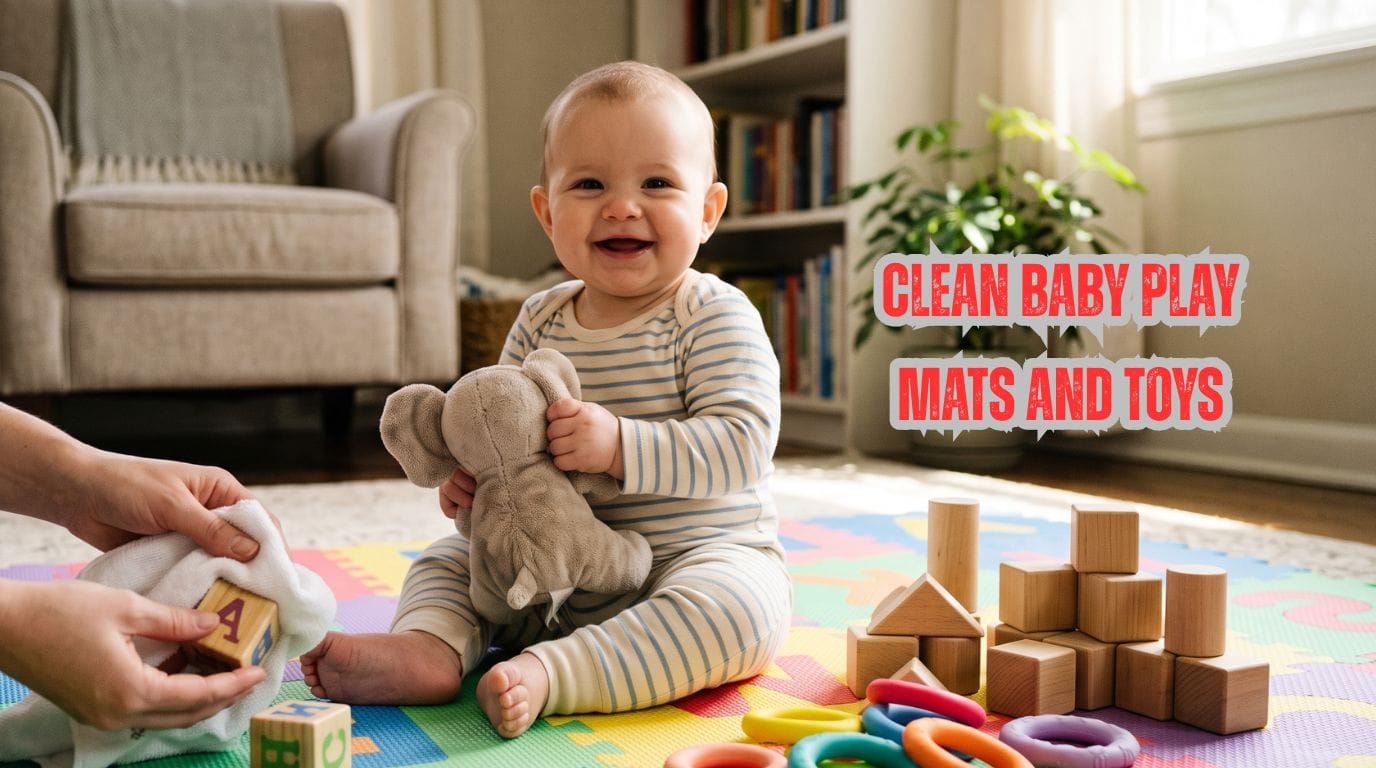
Hey there, fellow parent! If you are currently staring at a living room covered in sticky blocks and drool-soaked fabrics, you are probably wondering, You are definitely not alone in this messy, wonderful journey.
Babies explore the world with their hands and mouths. This means every single thing they touch needs to be as germ-free and chemical-free as possible.
Today, I am going to share my absolute favorite, stress-free methods to keep your little one’s play area fresh. Grab a cup of coffee (or tea!), and let’s get started.
Why Safe Cleaning is Crucial for Your Little One
You might be tempted to just grab that heavy-duty bleach spray from under the sink. Trust me, we have all been there when facing a major diaper blowout on a favorite toy!
However, harsh chemicals can leave toxic residues that easily transfer to your baby’s delicate skin. Worse, they can end up right in their little mouths.
Using natural, baby-safe cleaning solutions gives you complete peace of mind. Plus, these gentle ingredients are often cheaper and readily available in your pantry.
The Core Dilemma: how can i safely clean baby play mats and toys?
When looking for the perfect routine, you need methods that tackle grime without leaving harmful fumes. It is all about working smarter, not harder.
The secret lies in categorizing your baby items before you start washing them. Different materials require totally different care strategies to stay in top shape.
Let’s break down the cleaning process step-by-step so you never have to second-guess yourself again.
Step 1: Gather Your Natural Cleaning Arsenal
You do not need a cart full of expensive, store-bought “baby” cleaners. The best stuff is likely sitting in your kitchen right now.
Here is a quick checklist of safe cleaning staples:
- Distilled White Vinegar: A fantastic natural disinfectant that cuts through grease.
- Baking Soda: Perfect for gently scrubbing away stubborn, sticky messes.
- Castile Soap: A mild, plant-based soap that is incredibly safe for babies.
- Rubbing Alcohol: Ideal for sanitizing high-touch electronics quickly.
- Microfiber Cloths: Soft, reusable, and great for trapping microscopic dirt.
Step 2: Sort the Mess by Material
Never toss everything into the sink at once! Sorting is your best friend when it comes to efficient toy maintenance.
Divide everything into piles: hard plastics, soft fabrics, electronic gadgets, and delicate wooden items. Each pile will get its own special spa treatment.
Deep Cleaning Different Types of Play Items
Now, let us get into the nitty-gritty of cleaning each specific category. You will be amazed at how simple this actually is once you know the rules.
Freshening Up Foam and Fabric Play Mats
Play mats are basically the foundation of your baby’s daily adventures. They catch all the drool, spilled milk, and occasional diaper leaks.
If you have a fabric mat, check the care label first. Most can go straight into the washing machine on a gentle cycle with a baby-safe, unscented detergent.
For those interlocking foam mats, you need a slightly different approach. Simply mix equal parts water and white vinegar in a reusable spray bottle.
Whenever I chat with new moms and they ask, how can i safely clean baby play mats and toys?, I always recommend this magic vinegar spray first. It neutralizes odors and safely lifts grime away without damaging the foam.
Spray the foam tiles generously, wipe them down with a microfiber cloth, and let them air dry completely before the next playtime.
Tackling Plastic and Silicone Toys
Plastic blocks, teething rings, and silicone squeakers are usually the easiest to sanitize. They are tough, durable, and highly water-resistant.
For a quick everyday wash, just toss them into a clean sink filled with warm water and a few squirts of castile soap. Give them a good swish and a gentle scrub.
If your baby has recently been sick, you can sanitize them further. Boil high-quality silicone toys for about three minutes, or run hard plastics through the top rack of your dishwasher.
Just be sure to double-check that there are no hidden squeaker holes where bathwater can get trapped and grow sneaky mold!
Caring for Delicate Wooden Toys
Wooden toys are incredibly beautiful and eco-friendly, but they absolute hate water. Soaking them in a sink is a massive mistake.
Wood is naturally porous, meaning it will absorb water, swell up, and eventually crack or grow mildew deep inside the grain.
Instead, lightly dampen a cloth with your trusty vinegar and water solution. Gently wipe down the wooden surfaces to remove surface germs and sticky fingerprints.
Let them air dry immediately in a sunny spot. The sun’s natural UV rays actually act as a brilliant, free antibacterial agent!
Reviving Plush and Stuffed Animals
Ah, the beloved stuffed bunny! These soft friends absorb absolutely everything, from happy tears to mashed peas.
Most modern stuffed animals can easily handle a trip to the washing machine. Pop them inside a mesh laundry bag or an old pillowcase to protect their delicate eyes and seams.
Wash them on a gentle, cold-water cycle to prevent their faux fur from matting up. Air drying is always the safest bet, but a low-heat tumble dry works in a pinch.
If a plush toy has a music box or battery pack inside, do not machine wash it! Spot clean it instead using a damp cloth and a tiny drop of baby soap.
Handling Electronic and Battery-Operated Toys
These flashing, singing gadgets are absolute lifesavers, but they require extreme caution during cleanup. Water and electrical wiring definitely do not mix.
First, always make sure the toy is completely turned off and the batteries are removed before you start.
Take a microfiber cloth, dampen it slightly with rubbing alcohol, and carefully wipe down the plastic exterior. The alcohol evaporates almost instantly, minimizing any risk to the internal wiring.
Use a cotton swab dipped in alcohol to clean around those tiny buttons and crevices where sticky finger residue loves to hide.
Establishing a Simple Cleaning Routine
You are an incredibly busy parent, so do not feel like you need to scrub every single toy every single day. Setting up a manageable routine is the real key to success.
Daily Spot Cleaning
Keep your DIY vinegar spray and a clean cloth handy in a safe spot in the living room. At the end of the day, do a quick wipe-down of the things your baby chewed on the most.
This takes less than five minutes and stops nasty germs from building up and multiplying overnight.
Weekly Deep Cleans
Pick one day a week—maybe Sunday afternoon while the baby takes a long nap—to do a much bigger wash.
Gather up the bath toys, the plastic building blocks, and the fabric play mat cover for a thorough sanitizing session.
The Post-Sickness Protocol
If your little one has recently had a cold or stomach bug, the rules change entirely. You need to sanitize practically everything they touched to prevent reinfection.
Often, parents panic during flu season, jumping online to search, how can i safely clean baby play mats and toys? to stop the bug from spreading to the rest of the family.
In this case, utilize the dishwasher for all hard plastics, the washing machine on warm for fabrics, and rubbing alcohol for electronic surfaces to completely eradicate lingering viruses.
Ingredients You Should Absolutely Avoid
While we are talking about safe methods, we must also discuss what you should never let near your baby’s sensitive gear.
- Bleach: Highly toxic if accidentally ingested and leaves harsh fumes that can heavily irritate little developing lungs.
- Ammonia: Commonly found in glass cleaners, it is a severe respiratory irritant that has no place in a nursery.
- Artificial Fragrances: Often hidden in conventional wipes and sprays, they can cause unexpected skin allergies and painful rashes.
- Certain Essential Oils: While they are natural, oils like eucalyptus or tea tree can be surprisingly toxic to infants if they are not diluted perfectly.
Smart Tips for Busy Parents
Let us be completely real: staying on top of toy hygiene can easily feel like a never-ending chore. Here are some brilliant hacks to make it so much easier.
Rotate the Toys Frequently
Keep only a small portion of toys out in the living room at a time. Less clutter simply means fewer things for you to clean at the end of the week!
The Mesh Bag Trick
Keep a large mesh laundry bag hanging on a hook near the main play area. When a toy gets tossed on the floor or heavily drooled on, just toss it straight into the bag.
When the bag is finally full, it goes straight into the washing machine. It is a massive time-saver for exhausted parents!
Involve Older Siblings
If you have older kids in the house, make a “toy car wash” a fun weekend outdoor activity.
Give them a bucket of soapy water, a few sponges, and let them wash the plastic blocks on the patio. They get to play with water, and you get clean toys!
Dealing with Bath Toys (The Mold Monsters)
Bath toys deserve their very own special mention because they are notorious for hiding dangerous black mold.
Any rubber toy with a little squirt hole will eventually trap dirty bathwater inside. That dark, damp interior environment is a perfect breeding ground for nasty bacteria.
To prevent this nightmare, squeeze out absolutely every drop of water after each and every bath. Store them in a well-ventilated mesh basket, not sitting on the wet tub ledge.
If you ever see dark spots forming inside a translucent toy, unfortunately, it is time to throw it away immediately. It is simply not worth the health risk to your precious baby.
A fantastic alternative is to buy solid, hole-free bath toys, or use a hot glue gun to plug the holes of squirt toys before their very first use!
What About Second-Hand Toys?
Thrift stores and generous hand-me-downs from family are amazing for your budget and the planet. But they absolutely need a serious deep clean before playtime begins.
When friends drop off big bags of used gear, the first thought that pops into my head is, how can i safely clean baby play mats and toys? before handing them over to my child.
For hard plastic items, use a strong mixture of castile soap, very warm water, and a generous splash of white vinegar. Scrub every tiny crevice with an old, clean toothbrush.
For soft, plush fabrics, wash them at least twice in the washing machine on the hottest cycle the fabric care label can safely handle.
Keeping the Surrounding Play Space Safe
The physical environment around the toys matters just as much as the toys themselves when it comes to hygiene.
Try to vacuum the area around the play mat daily to pick up unseen dust mites, pet hair, and microscopic food crumbs.
If you have hardwood or tile floors, mop them regularly with a baby-safe floor cleaner or a heavily diluted warm water and vinegar solution.
Remember, a clean floor naturally means a cleaner play mat, which ultimately means a healthier, happier baby crawling around.
The Peace of Mind You Truly Deserve
Parenting is tough enough without constantly worrying about invisible germs lurking on a favorite teething ring or play gym.
By utilizing these highly effective, natural, and accessible ingredients, you are successfully creating a wonderful, safe haven for your baby to thrive in.
You are doing an absolutely incredible job. Every single time you wipe down a toy or wash a mat, you are showing your child profound love and dedicated care.
Do not stress over achieving total perfection. A little bit of dirt naturally builds the immune system, but keeping the daily grime at bay keeps everyone in the house feeling great.
Conclusion
Keeping your child’s play environment beautifully pristine doesn’t have to require a degree in complex chemistry or a massive household budget.
By relying on simple, effective staples like white vinegar, baking soda, and mild castile soap, you can confidently conquer any sticky situation.
From delicate wooden puzzles to those giant foam floor tiles, you now have the exact, step-by-step blueprint to handle it all safely and effortlessly.