The Ultimate Guide on How to Cut Baby Nails When Sleeping
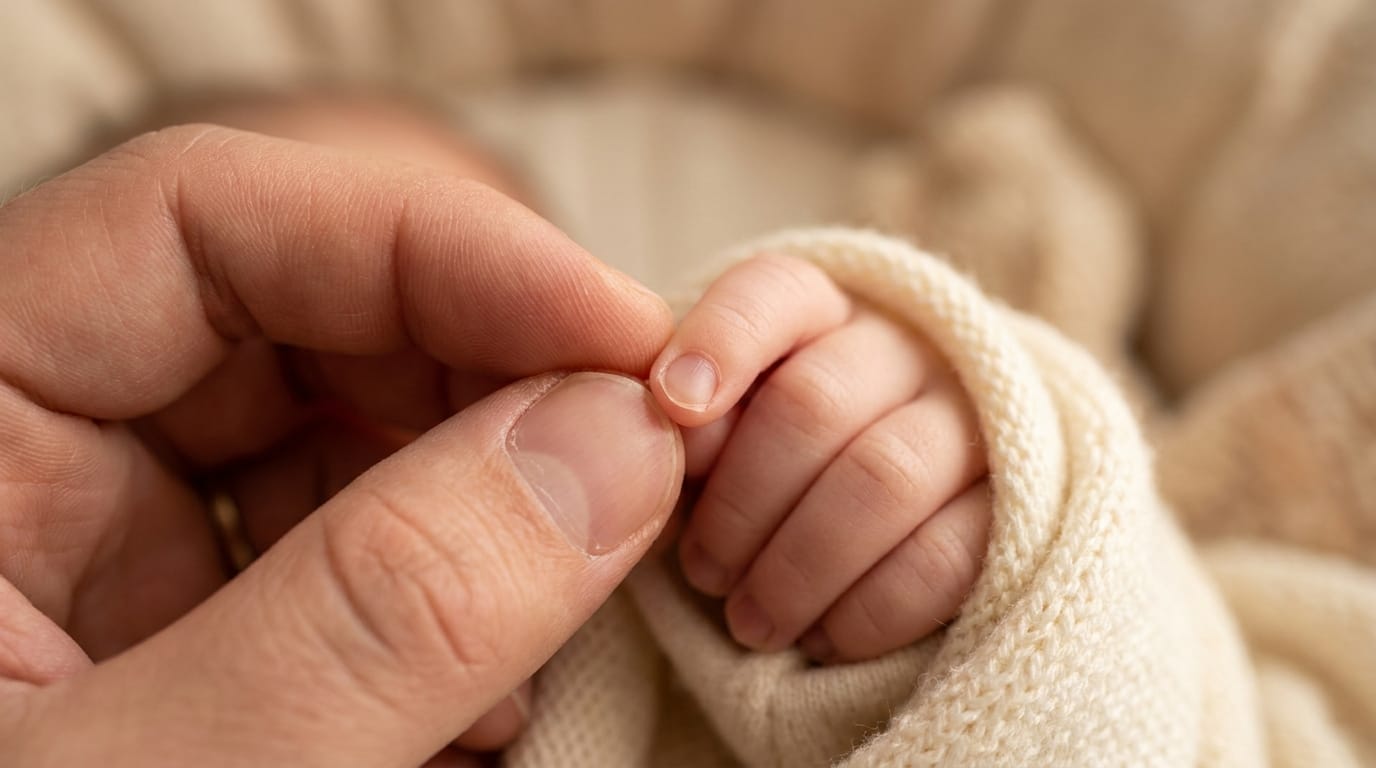
Every new parent dreads grooming day, constantly searching for the best tips on how to cut baby nails when sleeping without causing a sudden wake-up. It honestly feels like trying to defuse a tiny, adorable bomb while blindfolded!
If you find yourself terrified of clipping those microscopic fingernails, take a deep breath because you are definitely not alone. Trimming the nails of a squirming, unpredictable infant is a universal parental anxiety.
That is exactly why waiting until your precious baby is completely fast asleep is often the most brilliant solution. By taking advantage of their downtime, you completely eliminate the stress of sudden movements and crying fits.
In this comprehensive guide, we will walk you through everything you need to know about this stealthy parenting hack. From understanding newborn sleep cycles to choosing the perfect tools, you will soon become a master of the midnight manicure.
Grab a cup of coffee, relax, and let us dive into the stress-free way to keep those tiny fingers safe and scratch-free!
Why Figuring Out How to Cut Baby Nails When Sleeping is a Game-Changer
Newborns lack muscle control, which means their arms and legs flail around unpredictably when they are awake. This makes bringing a sharp metal object near their fingers incredibly risky.
Furthermore, infant nails grow at an astonishing rate, sometimes requiring a trim twice a week. Leaving them long means they might accidentally scratch their own delicate faces or even your skin during feeding.
Learning how to cut baby nails when sleeping shifts the odds entirely in your favor. When they are asleep, their tiny muscles relax, and the erratic movements come to a complete halt.
This peaceful state allows you to focus entirely on the task at hand without feeling rushed or panicked. It transforms a high-anxiety chore into a quiet, focused moment of care.
The Dangers of Trimming While Awake
Attempting to trim the nails of a wide-awake infant is a test of patience that often ends in frustration. Even the calmest infant can suddenly jerk their hand at the exact wrong moment.
This sudden movement can easily lead to accidental nicks on their tender skin, causing pain and tears. Once a baby associates nail clipping with pain, future grooming sessions become even more difficult.
By waiting until naptime or bedtime, you bypass this trauma entirely. A sleeping infant is a cooperative infant, making the entire process vastly safer.
Understanding Sleep Cycles: The Secret to How to Cut Baby Nails When Sleeping
Not all sleep is created equal, especially when it comes to infants. To successfully execute a stealthy nail trim, you need to understand the different phases of their sleep.
Babies cycle through active sleep (REM) and deep sleep (Non-REM) much faster than adults do. Knowing how to identify these stages is the absolute key to your success.
Identifying Active Sleep (REM)
During active sleep, your little one might twitch, smile, or even flutter their eyelids. Their breathing might seem a bit irregular, and they might make soft grunting noises.
This is not the right time to attempt a nail trim. During REM sleep, they are easily awakened, and grabbing their hand will likely startle them out of their slumber.
If you notice these little twitches, be patient and wait a little longer. Deep sleep is just around the corner, and that is your golden window of opportunity.
The Golden Window: Deep Sleep (Non-REM)
Deep sleep is the holy grail for parents figuring out how to cut baby nails when sleeping safely. During this phase, your little one will be completely still, and their breathing will become deep and rhythmic.
Their tiny hands will usually uncurl and become relaxed, flopping loosely if you gently lift their arm. This floppy, relaxed state is the perfect indicator that you are clear to proceed.
Usually, it takes about 20 to 30 minutes after they fall asleep to enter this deep, restorative phase. So, set a timer once their eyes close, and prepare your tools while you wait.
Preparation: Gathering Your Essential Grooming Tools
Before you even think about approaching the crib, you need to have all your supplies ready and within arm’s reach. Scrambling for a nail file in the dark is a surefire way to wake up a resting infant.
Being prepared means you can work quickly, efficiently, and quietly. Here is a breakdown of the best tools to have in your midnight manicure arsenal.
Choosing the Right Clippers and Scissors
Standard adult clippers are far too large and clumsy for infant fingers. You must invest in tools specifically designed for their microscopic nail beds.
Baby nail scissors with blunt, rounded tips are a favorite among many parents because they offer excellent control. They slice through the soft nail smoothly without the sudden “snap” of standard clippers.
If you prefer clippers, look for ones with a built-in magnifying glass or an ergonomic grip. You can find excellent, highly-rated newborn grooming kits on amazon that feature everything you need in one convenient case.
The Magic of the Electric Nail Trimmer
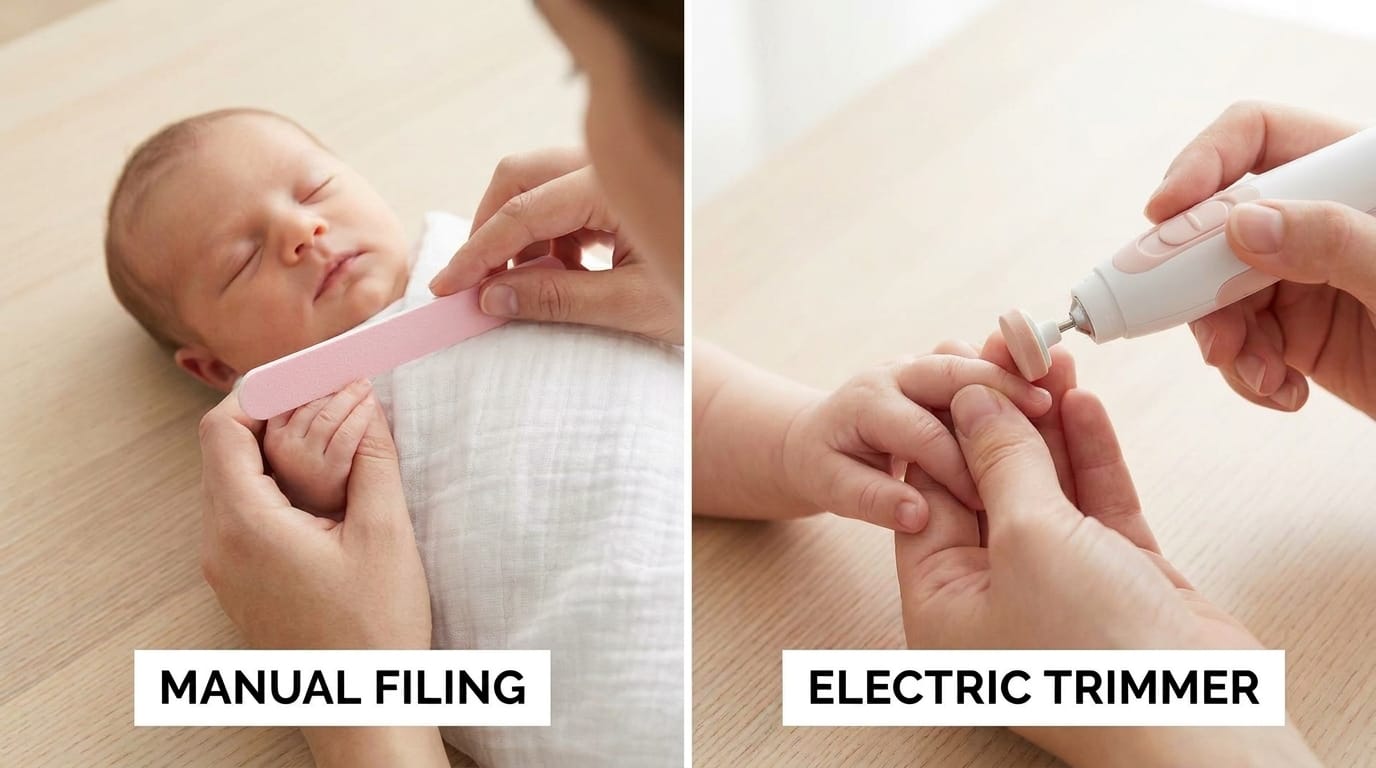
If the thought of using blades still terrifies you, an electric nail trimmer is a phenomenal alternative. These battery-operated files feature soft, cushioned sandpaper pads that gently buff the nail away.
They are specifically designed to stop spinning if they press too hard against the skin, making cuts virtually impossible. Many models also come with a whisper-quiet motor and a built-in LED light.
This makes them the ultimate tool for parents learning how to cut baby nails when sleeping in the dark. It is a foolproof method that requires zero sharp edges.
Don’t Forget the Emery Board
Even if you use scissors or clippers, a soft emery board is an absolute must-have. Clipping alone can sometimes leave sharp, jagged corners that act like tiny little needles.
A quick swipe with a baby-safe nail file smooths out these rough edges perfectly. Keep one handy to finish the job and ensure their hands are entirely scratch-safe.
Step-by-Step Guide: How to Cut Baby Nails When Sleeping
Now that you understand the sleep cycles and have your tools ready, it is time for action. Follow these precise steps to ensure a flawless, tear-free trimming session.
Step 1: Ensure Optimal Lighting
Trimming tiny nails in the pitch black is a recipe for disaster. However, turning on the glaring overhead bedroom light will instantly wake your little one up.
Instead, use a soft, focused light source. A smartphone flashlight propped up on a nearby table or a small headlamp works wonders.
The goal is to cast enough light on their fingers so you can clearly see the contrast between the white nail and the pink skin.
Step 2: Position Yourself for Success
Comfort and stability are crucial when you are maneuvering sharp tools near a sleeping infant. Sit close to the crib or bed where you have full, unobstructed access to their hands.
If you are using a rocking chair, ensure it is completely still. Rest your elbows on a solid surface, like the crib rail or a pillow, to keep your hands from shaking.
Take a deep breath to calm your own nerves. Babies can sense tension, so a relaxed parent often equals a relaxed, deeply sleeping infant.
Step 3: The Gentle Skin Push-Back Technique
This is the most important mechanical step in figuring out how to cut baby nails when sleeping. Because their nails are so soft, the skin of their fingertip often bulges up right under the nail edge.
Gently press the pad of their finger directly away from the nail before you make a cut. This creates a tiny, safe gap between the nail you want to trim and the skin you want to avoid.
Holding their finger firmly but gently also prevents their hand from slipping if they happen to twitch slightly.
Step 4: Make the Cut Following the Natural Curve
For fingernails, you want to follow the natural, gentle curve of the finger. Do not cut straight across, as this leaves sharp corners that can catch on clothing.
Take your time and make several small, deliberate snips rather than trying to cut the entire nail in one go. If you are using an electric file, gently buff along the curve until the length is reduced.
Important Note for Toenails: Toenails should always be cut straight across to prevent painful ingrown nails. They also grow much slower, so you will not need to trim them as frequently.
Step 5: File and Finish
Once the nail is shortened, run your thumb gently over the edge of the finger. If you feel any sharp snags or rough patches, grab your emery board.
Gently file the edges downward in one single direction to smooth them out. Avoid sawing back and forth, as this can tear the soft, delicate nail material.
Once you are satisfied with one hand, carefully tuck it back under the blanket and gently move on to the other side.
Pro Tips for Navigating How to Cut Baby Nails When Sleeping
Even with a solid plan, babies are inherently unpredictable. Here are some expert-level tips to help you navigate sudden movements and ensure a safe session.
Handling the Startle Reflex (Moro Reflex)
Infants are born with a startle reflex that can cause them to suddenly throw their arms out, even in their sleep. If this happens while you are holding their hand, do not panic.
Immediately pull the clippers or scissors away and freeze. Do not attempt to hold their arm down by force, as this will only wake them up further.
Speak in a soft, soothing “shush” tone and gently rest your hand on their chest until they settle back down. Once their breathing deepens again, you can resume.
What to Do If They Start Waking Up
Sometimes, despite your best stealth efforts, those little eyes start to flutter open. If you notice them stirring, stop the trimming session immediately.
It is much better to only finish one hand—or even just two fingers—than to risk an accident while they are waking up. You can always catch the remaining fingers during their next nap.
Parenting is all about flexibility. There is no rule that says all ten fingers and toes must be completed in a single sitting!
Common Mistakes to Avoid When Grooming Your Infant
When learning how to cut baby nails when sleeping, it is just as important to know what not to do. Avoiding these common pitfalls will save you a lot of stress.
Mistake 1: Cutting the Nails Too Short
It is tempting to cut the nails as short as possible so you do not have to do it again for a week. However, cutting too close to the quick is incredibly painful for an infant.
Always leave a tiny sliver of the white nail visible. It is much better to trim them slightly longer and file them frequently than to risk drawing blood.
If the nail looks pink, you are too close to the skin. Stick to trimming only the white, overhanging portion of the nail.
Mistake 2: Biting Your Baby’s Nails
In the past, some parents were advised to gently bite their baby’s nails off to avoid using sharp clippers. Medical professionals strongly advise against this practice today.
The human mouth is full of bacteria, and transferring that to a tiny, fresh cut on a baby’s finger can cause severe infections. Furthermore, you cannot see what you are doing, making it easy to accidentally bite the skin.
Always use sanitized, purpose-built grooming tools instead of relying on this outdated and unsanitary method.
Mistake 3: Doing It When You Are Rushed or Anxious
If you are running late for an appointment or feeling incredibly stressed, put the clippers down. Trimming infant nails requires patience and a steady hand.
Your anxiety can make your hands shake, increasing the risk of accidents. Save the grooming for a quiet Sunday afternoon nap when the house is peaceful.
First Aid: What If You Accidentally Cut the Skin?
Even the most careful, experienced parents occasionally nip their baby’s skin. If it happens to you, please do not drown in guilt—it is a rite of passage in parenthood!
Here is exactly what you should do if your midnight manicure results in a tiny drop of blood.
Step 1: Stay Calm and Apply Pressure
Babies will usually cry if they are nicked, more out of surprise than severe pain. Keep your own emotions in check and calmly grab a clean piece of sterile gauze or a soft tissue.
Apply gentle, consistent pressure directly to the tiny cut. Infant cuts usually stop bleeding very quickly, often within a minute or two of applying pressure.
Step 2: Clean the Area
Once the bleeding has stopped, wash the tiny finger with mild soap and warm water. Avoid using harsh chemicals like rubbing alcohol or hydrogen peroxide, as these will sting and upset your little one further.
Step 3: Avoid Liquid Bandages or Plasters
It is highly recommended not to put a bandage on an infant’s finger. Babies constantly put their hands in their mouths, and a loose bandage quickly becomes a severe choking hazard.
If the cut seems deep or the bleeding absolutely will not stop after several minutes of pressure, contact your pediatrician for advice. Otherwise, the scratch will heal remarkably fast on its own.
Alternative Solutions if Sleep-Trimming Fails
While learning how to cut baby nails when sleeping is generally the best method, some babies are simply too light of sleepers. If your infant wakes up the second you touch their hand, you need a backup plan.
Distraction is Key While Awake
If you must trim their nails while they are awake, team up with your partner. Have one person hold the baby and provide an incredibly engaging distraction.
Singing their favorite song, making funny faces, or putting on a captivating, colorful video for a few minutes can work wonders. The goal is to keep their eyes and mind completely focused elsewhere.
The High Chair Strategy
For older infants who can sit up independently, the high chair is a great place for grooming. Strap them in safely and give them a highly desired snack or a brand-new toy in one hand.
While they are occupied exploring the item with one hand, quickly and gently trim the nails on the other. Ensure the room is well-lit and you work as efficiently as possible.
Bath Time Softness
Right after a warm bath, your little one’s nails will be incredibly soft and pliable. This makes trimming them significantly easier and faster.
Wrap them snugly in a cozy towel to keep them warm and restrict their movements slightly. This gentle swaddle can keep their arms from flailing while you quickly snip away the soft nail edges.
Frequently Asked Questions (FAQs) About Trimming Baby Nails
Q: How often do I actually need to trim my infant’s nails? A: Fingernails grow surprisingly fast in the first few months of life. You may find yourself needing to trim or file them 1 to 2 times a week. Toenails grow much slower and usually only require attention once or twice a month.
Q: Can I just put mittens on them instead of cutting the nails? A: Scratch mittens are great for the first few weeks of life to prevent face scratching. However, as babies grow, they need their hands bare to explore the world, develop motor skills, and self-soothe. Relying entirely on mittens hinders their sensory development.
Q: My baby’s nails seem to tear on their own. Is this normal? A: Yes, newborn nails are incredibly thin and soft, almost like tissue paper. It is normal for the edges to tear or peel slightly. This is exactly why keeping a gentle emery board on hand to smooth rough edges is so important.
Q: At what age can I stop waiting for them to sleep to cut their nails? A: This depends entirely on the temperament of your child. Some toddlers become fascinated by the process and will sit still if you explain what you are doing. Others may require the sleep method well into their second year. Transition slowly by trying one finger while they are awake and calm.
Conclusion: Mastering the Midnight Manicure
Learning exactly how to cut baby nails when sleeping is one of those unglamorous but essential parenting skills that will save you endless amounts of stress. By waiting for that deep sleep phase, ensuring you have the proper lighting, and using the right specialized tools, you turn a terrifying chore into a breeze.
Remember to take your time, gently pull the finger pad away from the nail, and never hesitate to stop if your little one starts to wake up. Accidents happen to the best of us, so give yourself grace if things do not go perfectly the first few times.
Parenting is a constant learning curve, and you are doing a phenomenal job. Now that you are armed with these expert tips, you can approach your next grooming session with total confidence.
Ready to upgrade your midnight manicure routine? Check your supplies today, toss out those bulky adult clippers, and invest in a quiet, baby-safe electric trimmer for a truly stress-free experience!