
The Ultimate Guide to First 3 Months of Pregnancy Care Food: What to Eat & Avoid
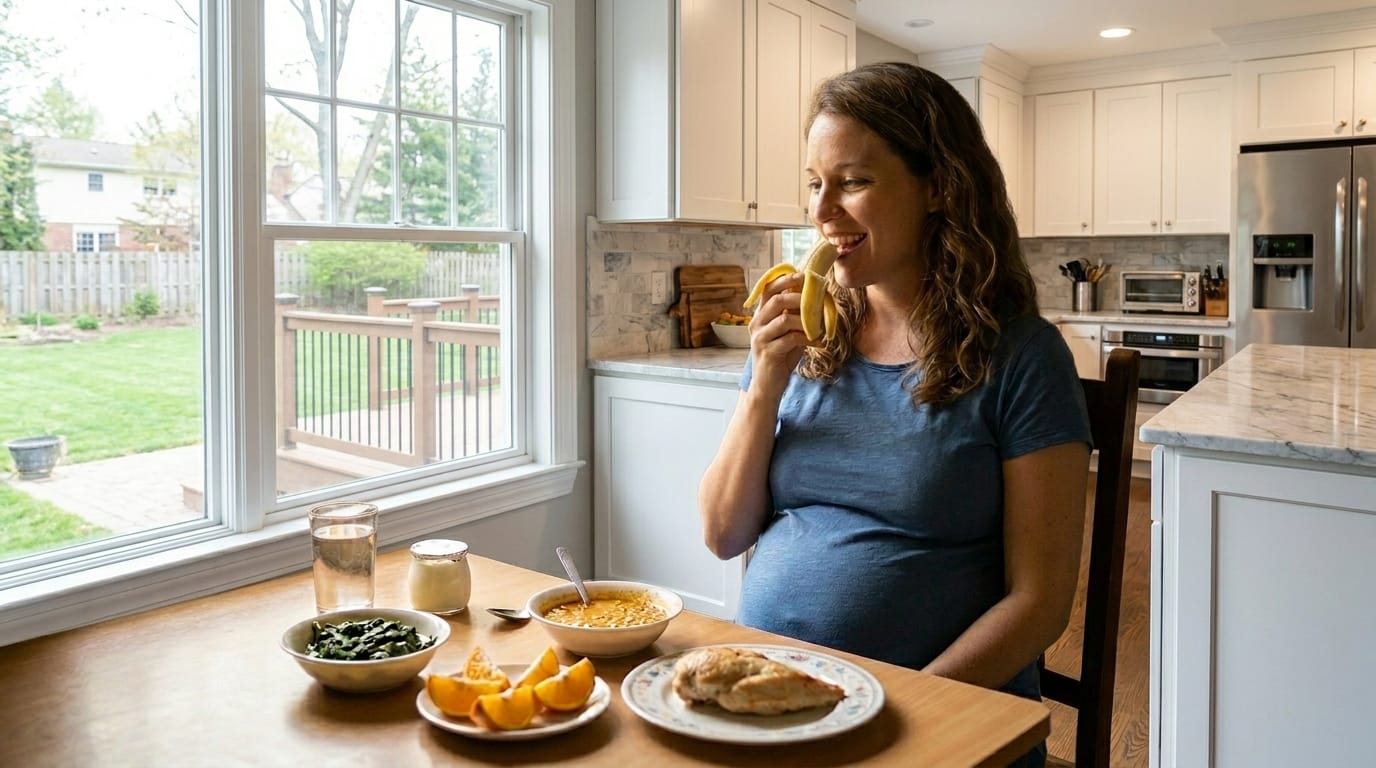
Congratulations on your amazing news! Finding out you are expecting is easily one of the most magical, nerve-wracking, and exciting moments of your entire life.
But as soon as the initial excitement settles, the questions start pouring in, especially regarding your first 3 months of pregnancy care food. What should you put on your plate? What should you absolutely avoid?
Take a deep breath, mama. You do not need to figure this all out alone. Think of me as your experienced friend who has been there, done that, and is here to guide you through the maze of pregnancy nutrition.
In this comprehensive guide, we will break down exactly what you need to eat to keep both you and your growing baby healthy, happy, and thriving. Let us dive right in!
Why is First 3 Months of Pregnancy Care Food So Important?
During your first trimester, your baby is growing at lightning speed. It might just be the size of a tiny seed right now, but massive changes are happening inside your body.
Every major organ, including the brain, spinal cord, and heart, is forming during these crucial early weeks. Because of this rapid development, the nutrients you consume act as the actual building blocks for your baby’s future.
Choosing the right first 3 months of pregnancy care food is not just about gaining healthy weight. It is about providing a safe, nutrient-rich environment that supports your little one’s earliest stages of life.
Furthermore, proper nutrition helps you combat those pesky early pregnancy symptoms. The right foods can significantly reduce fatigue, mood swings, and even the dreaded morning sickness.
The Magic of the Placenta
Right now, your body is also building the placenta, an entirely new organ! This organ will soon be responsible for feeding your baby for the rest of your pregnancy.
Building the placenta takes a lot of energy and nutrients. By eating well, you are ensuring this vital support system grows strong and functions perfectly.
Top Nutrients You Need Right Now
You do not need to start eating twice as much food right away. In fact, you do not need any extra calories during the first trimester.
What you do need, however, are extra nutrients. Here are the superstars you should focus on adding to your daily meals.
Folic Acid (Your Baby’s Best Friend)
If there is one nutrient you cannot ignore right now, it is folic acid (or folate in its natural form). This is the superhero of early pregnancy nutrition.
Folic acid plays a massive role in preventing neural tube defects, which affect the baby’s brain and spinal cord. Your doctor will likely prescribe a prenatal vitamin, but you should also eat folate-rich foods.
Best sources of Folate:
-
Dark leafy greens like spinach and kale.
-
Lentils, chickpeas, and black beans.
-
Asparagus and broccoli.
-
Citrus fruits like oranges and grapefruits.
-
Fortified cereals and whole grains.
Iron to Boost Your Blood Volume
Did you know your blood volume increases significantly during pregnancy? Your body works overtime to produce extra blood to supply oxygen to your growing baby.
If you do not get enough iron, you might feel incredibly exhausted and run the risk of developing anemia. Pairing iron with Vitamin C helps your body absorb it much better.
Best sources of Iron:
-
Lean red meat and thoroughly cooked poultry.
-
Eggs (make sure the yolks are fully cooked!).
-
Spinach and other dark greens.
-
Quinoa and fortified oatmeal.
-
Pumpkin seeds and lentils.
Calcium for Tiny Bones
Even though your baby’s bones are barely forming, calcium is a must-have. If you do not consume enough calcium, your baby will take what it needs straight from your own bones!
Protect your skeletal health and help your baby build strong teeth, bones, nerves, and muscles by loading up on calcium-rich foods.
Best sources of Calcium:
-
Pasteurized milk, cheese, and yogurt.
-
Almonds and chia seeds.
-
Tofu set with calcium.
-
Broccoli and dark leafy greens.
DHA (Omega-3 Fatty Acids)
DHA is a type of omega-3 fat that is absolutely vital for your baby’s brain and eye development. It is one of the smartest things you can include in your diet right now.
Best sources of DHA:
-
Low-mercury fish like salmon, sardines, and trout.
-
Walnuts and flaxseeds.
-
Chia seeds and hemp hearts.
-
DHA-fortified eggs and milk.
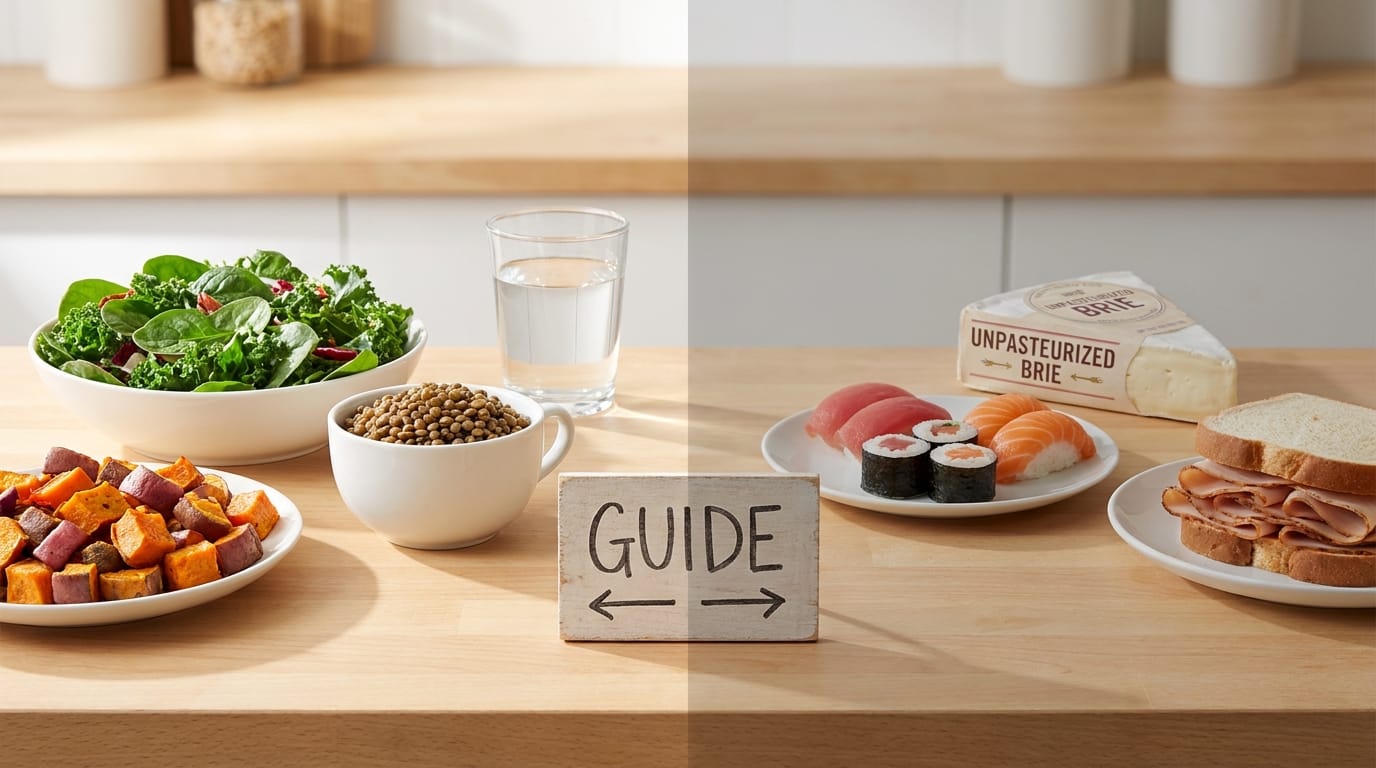
The Best First 3 Months of Pregnancy Care Food to Add to Your Plate
Now that we know what nutrients you need, let us talk about the actual foods. Building a healthy grocery list is the first step to success.
When you are planning your meals, focus on whole, unprocessed foods. Here is a breakdown of the best items to fill your pantry and fridge with.
Fresh Fruits and Vegetables
Fruits and veggies are packed with essential vitamins, minerals, water, and fiber. The fiber is especially important because early pregnancy hormones can seriously slow down your digestion.
Try to “eat the rainbow” every week. Different colors provide different antioxidants that protect your cells and support your baby’s growth.
-
Bananas: Great for energy and easy on a nauseous stomach.
-
Oranges: Packed with Vitamin C and folate.
-
Berries: High in antioxidants and delicious in yogurt.
-
Sweet Potatoes: Rich in Vitamin A, which is crucial for baby’s organ development.
-
Avocados: Loaded with healthy fats, folate, and potassium.
Lean Proteins
Protein is the literal building block of your baby’s cells. You need about 70 to 100 grams of protein a day during pregnancy, depending on your body weight.
Protein also helps keep your blood sugar stable. This can prevent those sudden energy crashes and help keep morning sickness at bay.
-
Eggs: A fantastic source of protein and choline (great for the brain).
-
Chicken and Turkey: Excellent, versatile sources of lean protein.
-
Greek Yogurt: Packed with protein, calcium, and gut-friendly probiotics.
-
Lentils and Beans: Perfect plant-based proteins that also offer fiber and iron.
Complex Carbohydrates and Whole Grains
Carbs are not the enemy; they are your body’s preferred source of energy! The key is to choose complex, whole-grain carbohydrates instead of refined white flour and sugar.
Complex carbs break down slowly in your system. This gives you a steady stream of energy rather than a quick spike and crash.
-
Oatmeal: A warm, soothing breakfast that is rich in fiber and iron.
-
Quinoa: A complete protein and a great alternative to white rice.
-
Brown Rice and Whole Wheat Bread: Excellent staples for daily meals.
Foods to Strictly Avoid During Your First Trimester
Just as important as knowing what to eat is knowing what to skip. During pregnancy, your immune system is naturally lowered.
This means you are much more susceptible to foodborne illnesses like listeria and salmonella. These infections can be very dangerous for your developing baby.
Raw or Undercooked Seafood and Meat
Say goodbye to sushi, rare steaks, and raw oysters for the next few months. Raw and undercooked meats can carry harmful bacteria and parasites.
Always ensure your meat, poultry, and fish are cooked thoroughly. Invest in a good meat thermometer to be absolutely sure your food has reached a safe internal temperature.
High-Mercury Fish
While fish is great for Omega-3s, some types of fish contain dangerously high levels of mercury. Mercury can harm your baby’s developing nervous system.
Fish to avoid:
-
Shark
-
Swordfish
-
King Mackerel
-
Tilefish
-
Bigeye Tuna
Unpasteurized Dairy and Soft Cheeses
Pasteurization is a heating process that kills harmful bacteria in milk. Consuming unpasteurized (raw) milk or cheeses can put you at risk for listeriosis.
Always check the label before buying cheese. Avoid soft cheeses like Brie, Camembert, feta, and blue cheese unless the label explicitly states they are made with pasteurized milk.
Excess Caffeine and Alcohol
There is no known safe amount of alcohol during pregnancy. It is best to completely eliminate wine, beer, and liquor from your diet to prevent Fetal Alcohol Spectrum Disorders.
As for caffeine, you do not have to quit completely! However, experts recommend limiting your intake to under 200 milligrams a day (about one 12-ounce cup of coffee).
Surviving Morning Sickness: Food Tips That Actually Work
Let us be real for a second. We can talk about perfect meal plans all day, but if you are dealing with severe morning sickness, just keeping water down feels like a victory.
If the thought of a spinach salad makes you want to run to the bathroom, do not panic. It is incredibly common, and your baby will still get what it needs from your prenatal vitamins and reserves.
Graze Like a Bird
An empty stomach makes nausea significantly worse. The acid in your stomach has nothing to digest, which triggers that awful queasy feeling.
Instead of three large meals, try eating 5 or 6 tiny meals throughout the day. Keep plain crackers on your nightstand and eat a few before you even get out of bed in the morning.
Embrace the Power of Ginger
Ginger is a natural, pregnancy-safe remedy for nausea. It has been used for centuries to settle upset stomachs.
Try sipping on warm ginger tea, chewing on crystallized ginger, or adding fresh ginger to your smoothies. Ginger ale can help too, but watch out for high sugar content!
Stick to Bland, Cold Foods
When nausea hits hard, strong smells are your worst enemy. Hot foods tend to have stronger aromas than cold foods.
Try eating cold or room-temperature foods. Plain toast, applesauce, cold yogurt, smoothies, or plain pasta are great options when nothing else sounds appealing.
Do Not Force It
If you can only stomach plain bagels and watermelon for a week straight, that is okay! The first trimester is truly about survival.
Do your best to take your prenatal vitamin daily. Once the nausea fades (usually around the start of the second trimester), you can get back to eating a perfectly balanced diet.
Hydration: The Unsung Hero of Pregnancy
We spend so much time talking about food that we often forget about hydration. Water is absolutely vital right now.
Water helps form the amniotic fluid, aids in digestion, flushes out toxins, and helps carry nutrients directly to your baby. Dehydration can lead to headaches, cramping, and extreme fatigue.
How Much Water Do You Need?
Aim for at least 8 to 10 glasses (about 2 to 2.5 liters) of water every single day. If it is a hot day or you are exercising, you will need even more.
Tips to Drink More Water:
-
Buy a fun water bottle: Getting a large, insulated cup with a straw can surprisingly make drinking water much easier.
-
Infuse your water: If plain water makes you nauseous, add a squeeze of fresh lemon, lime, or a few slices of cucumber and mint.
-
Eat your water: Snack on water-rich foods like watermelon, cucumbers, strawberries, and oranges.
-
Try Coconut Water: It is super hydrating and packed with electrolytes like potassium, making it a great alternative to sugary sports drinks.
A Simple 1-Day Sample Meal Plan
Feeling overwhelmed by all this information? Do not worry! Here is a simple, realistic example of what a healthy day of eating can look like during your first trimester.
Breakfast:
-
A bowl of warm oatmeal topped with sliced bananas, a sprinkle of chia seeds, and a dollop of peanut butter.
-
A cup of warm ginger tea.
Mid-Morning Snack:
-
A small apple sliced with a handful of almonds.
Lunch:
-
A whole-wheat wrap filled with cooked chicken breast, spinach, avocado, and pasteurized cheese.
-
A side of carrot sticks or cucumber slices.
Afternoon Snack:
-
A cup of Greek yogurt topped with fresh berries.
Dinner:
-
A piece of baked salmon (well-cooked!).
-
A side of quinoa and steamed broccoli lightly drizzled with olive oil.
Evening Snack (if hungry):
-
A few plain crackers or a small piece of dark chocolate.
Conclusion
Navigating your first 3 months of pregnancy care food does not have to be a stressful or overly complicated process. It all boils down to making smart, simple choices and listening to what your body needs.
Focus on colorful fruits and vegetables, lean proteins, and staying highly hydrated. Remember to take your prenatal vitamins daily, and do not beat yourself up if morning sickness forces you to eat nothing but toast for a few days.
Your body is doing incredible work right now. Treat it with kindness, feed it with love, and rest whenever you feel the need. You are already doing a fantastic job, mama!
Now it is your turn! What is the one food you have been craving the most during your first trimester, or what trick helped you beat morning sickness? Drop a comment below to share your experience—your tip might just save another expecting mom’s day! And remember, always consult your healthcare provider or OB-GYN before making any major changes to your diet.
