How to Wash Baby Hair Without Crying: The Ultimate Guide for Parents
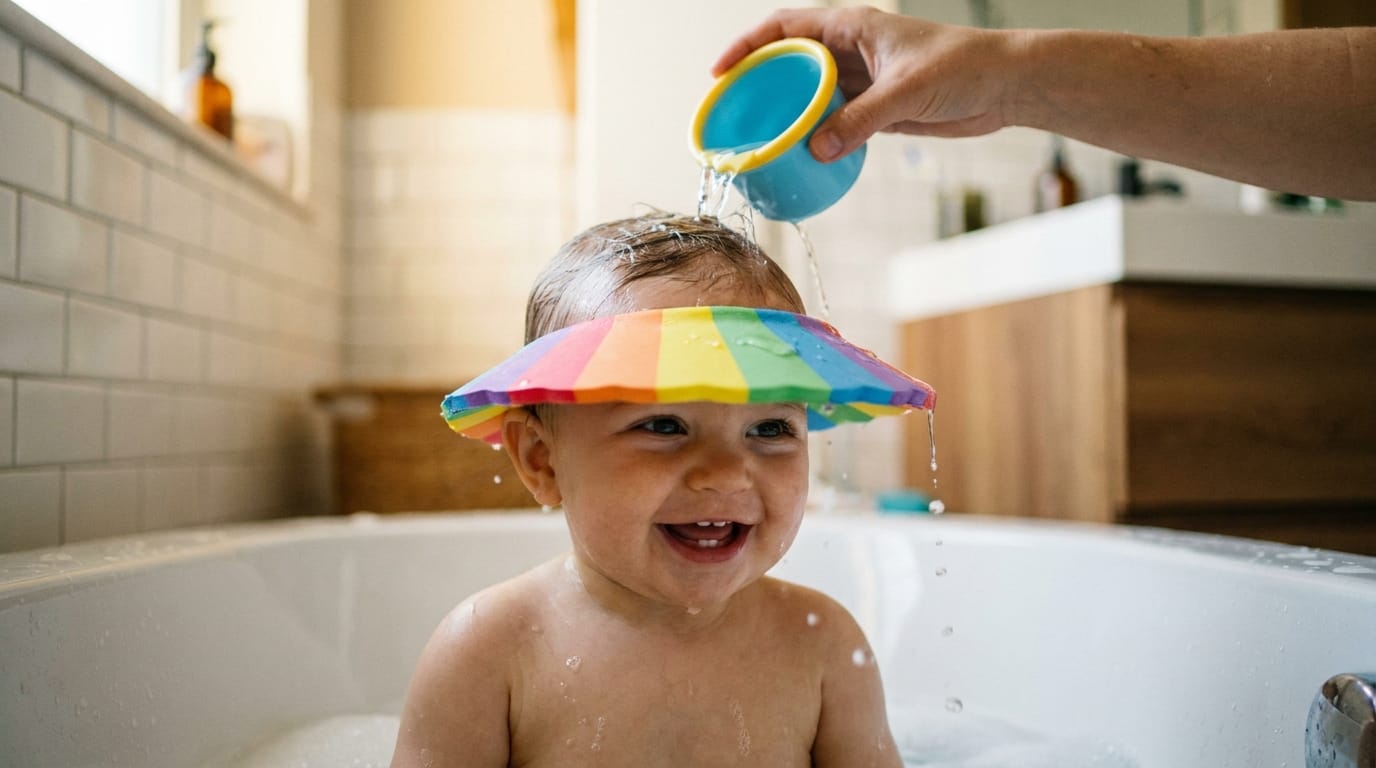
Bath time should be a peaceful, bonding experience, yet many parents struggle deeply with learning how to wash baby hair without crying. If your little one screams the moment water touches their head, you are definitely not alone in this daily struggle.
The fear of water in the eyes or a soapy sting can transform a relaxing evening routine into a highly stressful battleground for both you and your child.
Fortunately, mastering the art of a tear-free hair wash is entirely possible when you combine the right psychological approach with smart, practical tools designed specifically for delicate infants.
In this comprehensive guide, we will break down the exact strategies, routines, and top-rated products that turn chaotic baths into calm, smiling experiences.
1. Understanding the Fear: Why Babies Cry During Hair Washes
Before jumping into solutions, it is crucial to understand exactly why your baby feels so overwhelmed during hair washing.
Infants have highly sensitive sensory systems, meaning that a sudden rush of water over their face can trigger a primal fear of choking or losing their breath instantly.
Additionally, the burning sensation from standard soaps—even those labeled as gentle—can leave a lasting, negative impression on an anxious child’s memory.
When you understand that their crying stems from genuine fear rather than stubbornness, you can approach the problem with the deep empathy and patience required to solve it.
By slowly shifting their perception of water, you can gradually dismantle this fear and rebuild a sense of absolute safety within the tub environment.
2. Step-by-Step: How to Wash Baby Hair Without Crying
Consistency is key when introducing a new routine, so following a structured, predictable path during every single bath will help lower your child’s anxiety levels significantly.
Step 1: Complete Preparation
Gather every item you need before placing your child into the water so you never have to turn your back or scramble for a forgotten towel mid-wash.
Keep a dry washcloth, tear-free shampoo, a rinsing cup, and any protective shields right next to your arm for quick, seamless access.
Step 2: The Lean-Back Technique
Gently cradle your child’s neck and support their back, encouraging them to look up at the ceiling or at a colorful sticker you’ve placed above the tub.
Leaning back ensures that gravity naturally pulls the water away from their face, keeping their eyes, nose, and mouth completely dry throughout the rinse.
Step 3: Controlled Wetting
Instead of pouring water directly from a heavy cup, use a damp, warm washcloth to slowly wet the hair from the forehead moving backward.
This slow introduction of moisture helps your child adjust to the temperature and texture without feeling suddenly overwhelmed or smothered by a rush of water.
Step 4: Minimal Shampoo Application
Apply a tiny, dime-sized amount of specialized tear-free formula to your fingertips and gently massage it exclusively into the scalp using circular motions.
Avoid generating excessive foam near the hairline, as large bubbles can easily slide down onto the face and trigger a sudden panic reaction.
Step 5: The Guarded Rinse
Place your hand firmly across their forehead to act as a physical dam, blocking any stray droplets from reaching their eyes while you rinse.
Pour water slowly and deliberately from the front of the crown toward the back of the neck until all soap is entirely washed away.
3. Essential Gear: Top Amazon Products for a Tear-Free Bath
Having the right tools makes an incredible difference, and you can easily find the highest-rated solutions on amazon to simplify your daily routine.
Investing in innovative, purpose-built gear removes the guesswork from the process, ensuring you can shield your child effectively while keeping your hands free.
Let’s look at the absolute best product categories available right now that are highly recommended by thousands of experienced parents worldwide.
| Product Category | Key Features | Primary Benefit |
|---|---|---|
| Silicone Bath Visor | Flexible, adjustable strap, watertight seal around forehead. | Channels water completely away from eyes and ears. |
| Contoured Rinse Pitcher | Soft rubber lip, easy-grip handle, controlled flow design. | Forms a tight seal against the scalp to stop leaks. |
| Tear-Free Shampoo | Plant-based, hypoallergenic, completely soap-free formula. | Guarantees no burning sensations if contact occurs. |
Silicone Shower Visors
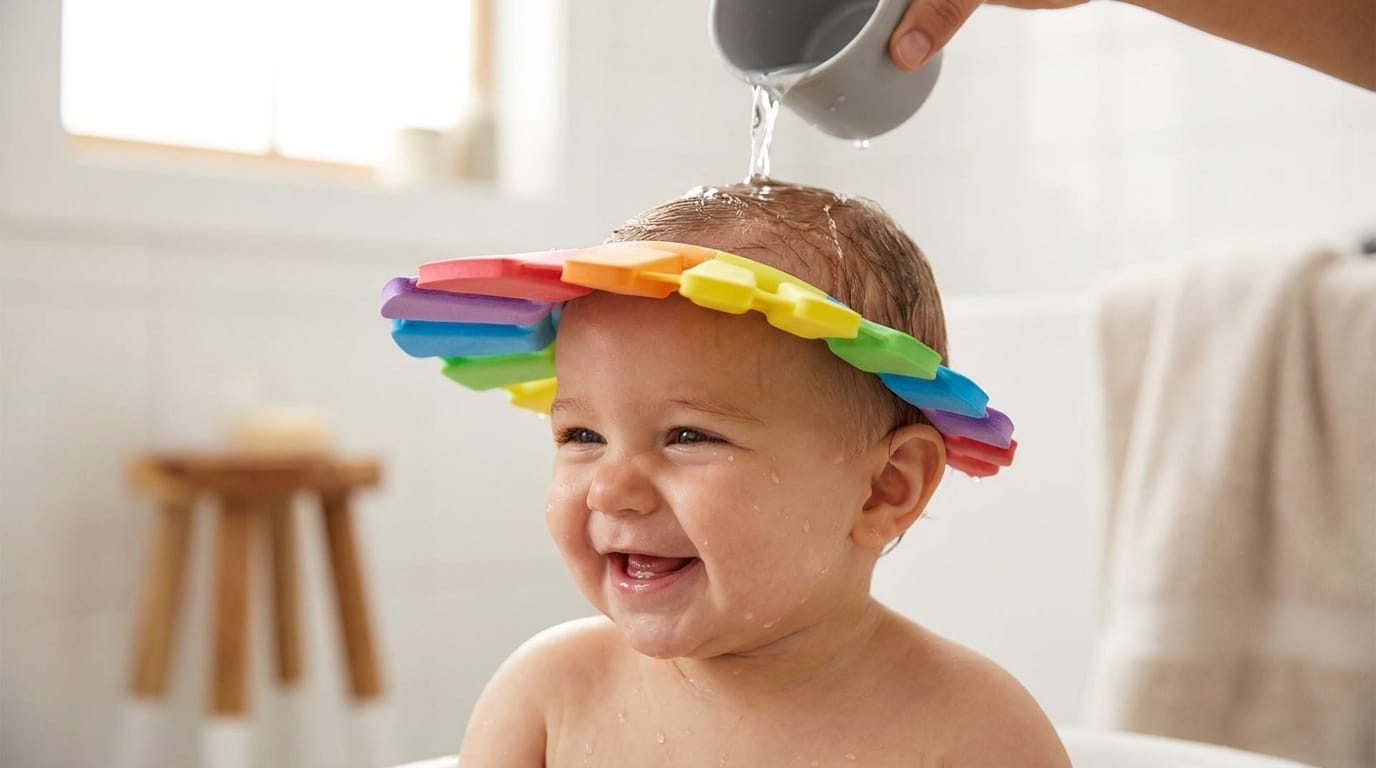
These lightweight hats resemble little halos that sit snugly on your child’s head, instantly redirecting water away from their face.
The soft, elastic silicone stretches comfortably without leaving red marks, creating an impenetrable barrier that keeps eyes perfectly dry.
Ergonomic Control Rinsers
A standard cup pours water unpredictably, but a specialized rinser features a soft, flexible panel that molds directly to your child’s forehead.
This allows you to pour a steady stream of water over the crown of their head while ensuring not a single drop escapes forward onto their face.
4. Buying Guide: Why You Need These Specific Solutions
Choosing generic bath accessories often leads to continued frustration because they lack the specific engineering required to protect sensitive facial areas.
Investing in dedicated, high-quality gear is the fastest way to restore peace to your evening routine, saving your family valuable time and emotional energy.
“Switching to a contoured pitcher and a dedicated visor completely transformed our evenings from a stressful nightmare into a genuinely fun experience.”
Here are the four most powerful reasons why you should upgrade your current gear immediately to specialized options:
- Guaranteed Safety and Comfort: Specialized products feature soft, medical-grade silicone that molds comfortably to delicate skin without causing irritation or pressure points.
- Long-Term Stress Reduction: Eliminating the fear of water early prevents bath-time phobias from persisting as your child grows into a toddler.
- Encourages Dynamic Independence: Fun, colorful visors make children feel like they are wearing a cool hat, empowering them to participate happily in their own hygiene.
- Highly Cost-Effective: These durable items are built to last for years, offering incredible value for a very small initial financial investment.
5. Creative Distractions and Psychological Hacks
Beyond great gear, mastering the psychological side of bath time can instantly break the cycle of anxiety and fear for your child.
Distraction is a highly effective tool; giving their minds something else to focus on prevents the panic response from escalating before you even begin.
Try sticking bright, colorful foam shapes or mirrors directly to the wall above the tub, encouraging them to look up and talk about what they see.
Singing specific, rhythmic songs or playing calming music can also establish a soothing auditory cue that tells them they are completely safe.
You can even turn it into a silly game by shaping their shampoo-covered hair into funny spikes or animal ears, letting them look at themselves in a handheld mirror.
6. Managing Special Issues: Cradle Cap Without Tears
If your child is dealing with cradle cap, the hair-washing process requires extra care and specialized techniques to avoid causing discomfort.
Never scrub or pick at the dry scales forcefully, as this can irritate the sensitive scalp and cause painful inflammation.
Instead, gently apply a few drops of natural baby oil or specialized serum to the affected areas roughly fifteen minutes before the bath begins.
During the wash, use an incredibly soft, fine-bristled silicone brush to massage the shampoo gently in circular motions to loosen the flakes smoothly.
Rinse thoroughly using the lean-back method to ensure all loosened debris and oil are washed away without ever touching their face.
7. Frequently Asked Questions (FAQs)
How often should I wash my infant’s hair?
Most infants only require their hair to be washed two to three times a week, as their scalps produce very little excess oil compared to adults.
What should I do if water accidentally gets into their eyes?
Keep a dry, soft washcloth draped over your shoulder at all times to instantly pat their face completely dry while offering calm, reassuring words.
Do bath visors actually fit older toddlers too?
Yes, the vast majority of high-quality bath visors feature highly adjustable, multi-button snap designs that grow easily with your child over time.
8. Conclusion & Final Thoughts
Learning how to navigate bath time smoothly is a journey that requires patience, empathy, and the right practical tools by your side.
By implementing a calm, predictable step-by-step routine and utilizing protective gear, you can permanently eliminate the tears and screaming from your evenings.