The Ultimate Guide on How to Organize Diaper Bag Like a Pro
Every parent knows the sudden panic of a diaper blowout while out in public. Figuring out exactly how to organize diaper bag essentials is your ultimate first line of defense against parenting chaos.
When your bag is perfectly packed, you can handle spills, tantrums, and messy changes with complete confidence. It transforms a bulky, chaotic sack into a highly efficient mobile nursery.
Whether you are heading to the park or taking a long road trip, preparation is your best friend. Caring for your baby requires quick reflexes and having the right tools right at your fingertips.
In this comprehensive guide, we will walk you through the absolute best strategies for packing and maintaining your bag. You will never have to dig blindly for a pacifier or a clean wipe ever again.
Why Knowing How to Organize Diaper Bag is Essential
Many new parents make the mistake of just tossing items into their bag as they head out the door. However, learning how to organize diaper bag contents systematically will drastically change your daily routine.
It is not just about making things look neat and tidy. It is about practical functionality and keeping your sanity intact during stressful moments.
Saves Time During Emergencies
When your little one is crying because of a wet diaper, every single second counts. An organized bag means you know exactly where the wipes, diapers, and creams are stored.
You will not waste precious time frantically digging through a bottomless pit of baby gear. You can simply reach in, grab what you need, and resolve the issue quickly.
Reduces Parenting Stress
Leaving the house with an infant or toddler can feel incredibly overwhelming for any parent. Knowing that your bag is fully stocked and perfectly arranged gives you profound peace of mind.
You can enjoy your day out instead of constantly worrying if you forgot something important. Organization equals confidence when you are navigating the unpredictable world of parenting.
Protects Your Baby Gear
Tossing everything loosely into a bag often leads to disastrous consequences. Bottles can leak onto spare clothes, and snacks can get crushed into the fabric of the bag.
By utilizing proper compartments and pouches, you protect your valuable baby essentials from damage. This saves you money and keeps everything hygienic and safe for your little one.
Step-by-Step: How to Organize Diaper Bag Effectively
Creating a perfectly organized bag does not happen by accident. It requires a strategic approach and a few simple, highly effective packing techniques.
Follow these practical steps to master how to organize diaper bag contents like a seasoned professional.
Step 1: Empty and Clean the Bag Completely
Before you can organize, you must start with a completely blank slate. Take everything out of your current bag, including all the hidden crumbs and crumpled receipts.
Shake the bag out over a trash can and wipe down the interior with a damp, soapy cloth. Letting the bag air dry ensures a fresh, hygienic environment for your infant’s belongings.
Step 2: Categorize Your Essential Items
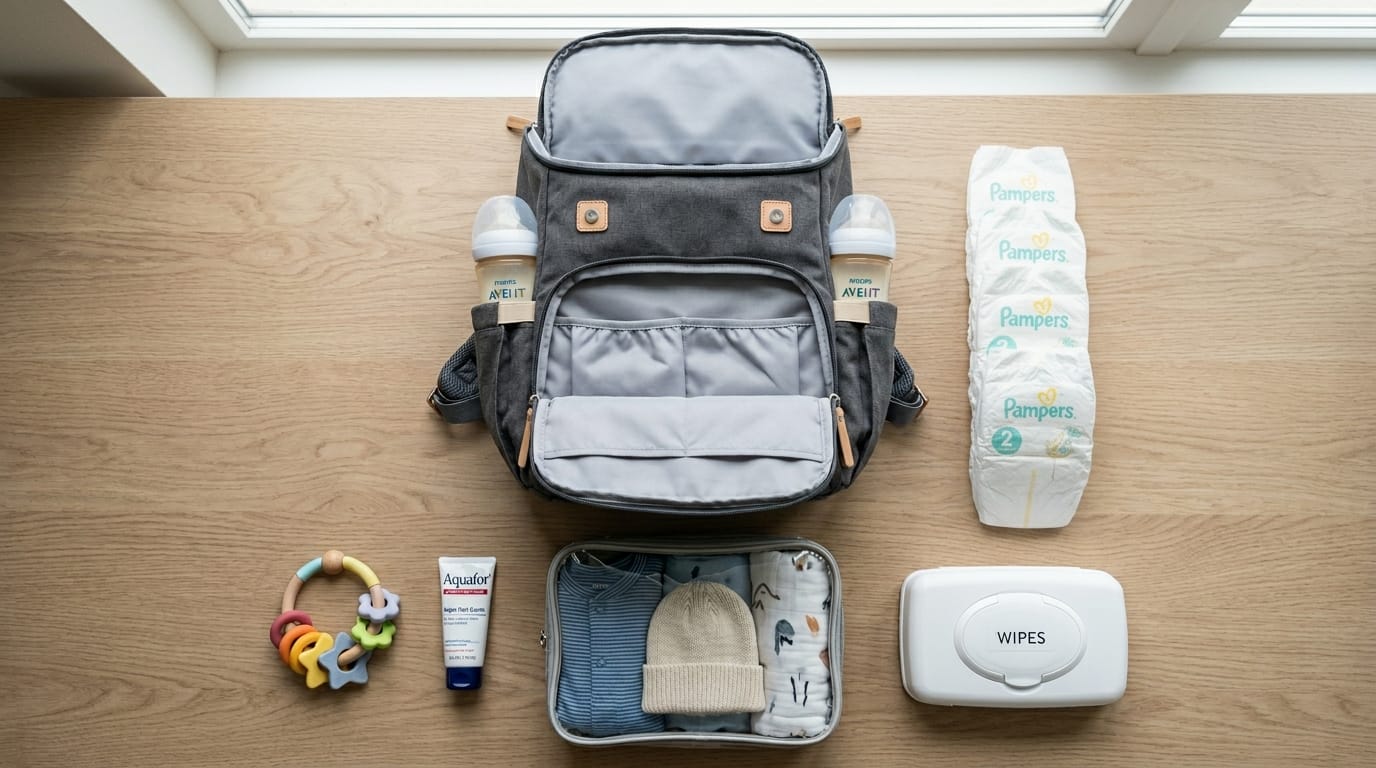
Group similar items together before you even think about putting them back into the bag. Create a pile for diapering, a pile for feeding, and a separate pile for extra clothing.
Do not forget to create a specific pile for mom and dad’s personal items, like keys and wallets. This visual categorization makes it much easier to decide which compartments to use.
Step 3: Utilize Packing Cubes and Pouches
The secret weapon of highly organized parents is the use of smaller internal bags. You can easily find a great set of colorful packing cubes on amazon to sort your gear.
Use one pouch specifically for diapering items and another solely for spare clothes. If a mess happens, you only need to pull out the relevant pouch instead of unpacking the entire bag.
Step 4: Master the Clothing Roll Method
Folding baby clothes the traditional way takes up unnecessary space and leads to messy piles. Instead, lay the outfit flat and tightly roll it up like a tiny sleeping bag.
This military-style rolling method prevents wrinkles and allows you to fit more outfits into small spaces. You can secure the rolled outfits with a rubber band for even tighter packing.
What to Pack in Your Diaper Bag: The Ultimate Checklists
Knowing how to organize diaper bag compartments is useless if you pack the wrong things. You need to strike a delicate balance between being over-prepared and carrying unnecessary heavy weight.
Your packing list will evolve as your child grows, so we have broken down the essentials by age and category.
The Diapering Essentials Kit
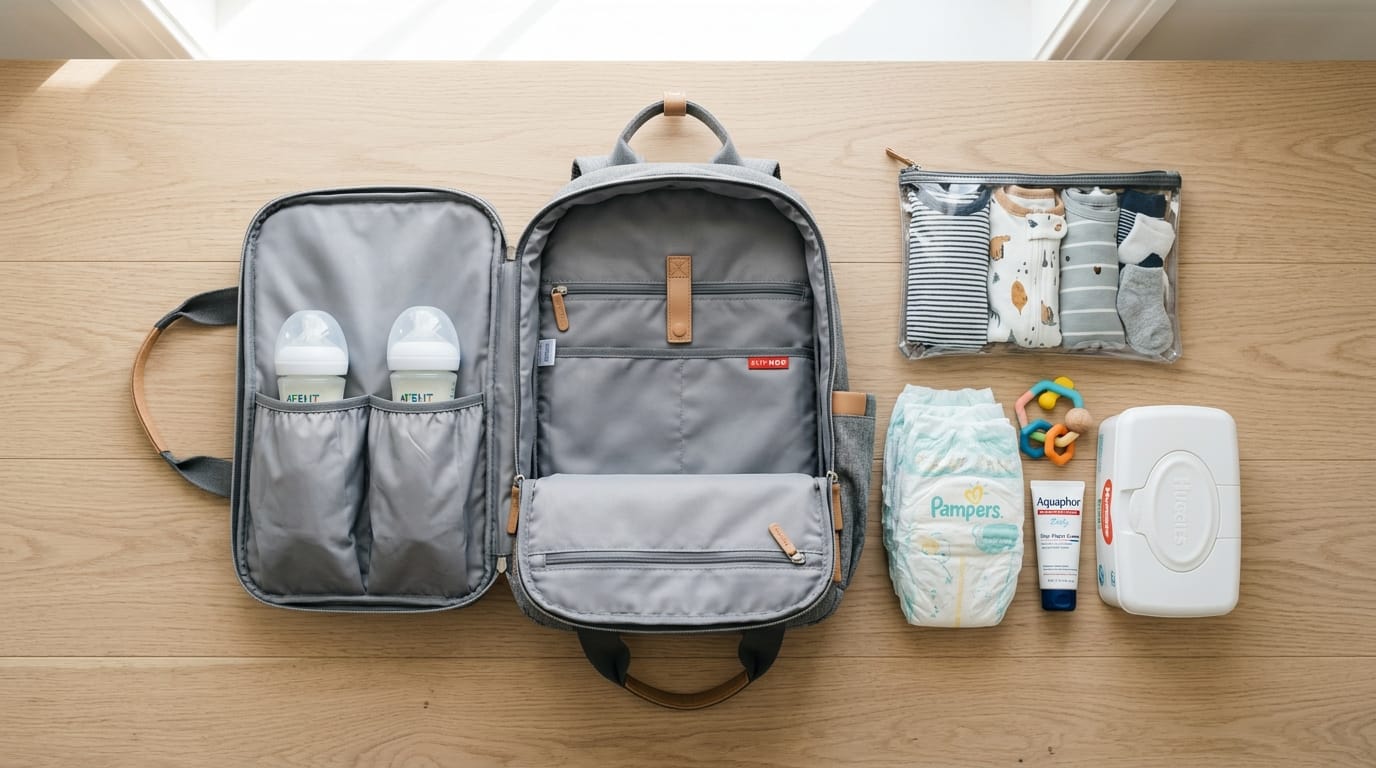
This is the most critical component of your bag and needs to be easily accessible at all times. Keep these items in a dedicated, waterproof pouch or a specific side pocket.
-
Diapers: Pack one diaper for every hour you plan to be out, plus three extras just in case.
-
Baby Wipes: Always carry a full pack with a secure, snap-closure lid to prevent them from drying out.
-
Diaper Rash Cream: A travel-sized tube is perfect for on-the-go soothing.
-
Disposable Trash Bags: Crucial for containing the smell of dirty diapers when a trash can isn’t nearby.
-
Changing Pad: Most bags come with one, but ensure it is wiped clean after every single use.
Feeding Time Necessities
Hunger can strike suddenly, and a delayed feeding can lead to epic public meltdowns. How you pack this section depends heavily on whether you are nursing, formula-feeding, or giving solids.
-
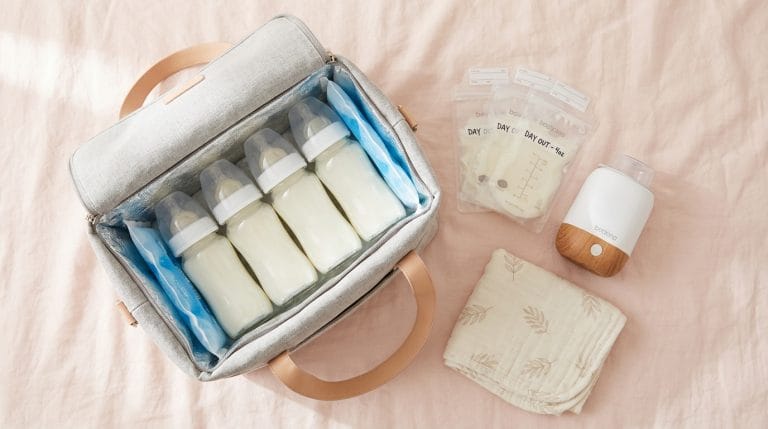
Bottles and Nipples: Pack at least two sterilized bottles.
-
Formula Dispenser: Pre-measure formula powder into a divided container to make mixing bottles a breeze.
-
Nursing Cover: If you prefer privacy while breastfeeding, keep a lightweight, breathable cover handy.
-
Burp Cloths: Always pack at least two highly absorbent burp cloths to handle unexpected spit-ups.
-
Baby Food and Snacks: For older infants, pack purees, a bib, and easy-to-eat puffs or crackers.
Spare Clothing and Comfort Items
Blowouts, drool, and spilled milk are guaranteed to happen when you least expect them. Having the right backup clothing can save your entire day from being ruined.
-
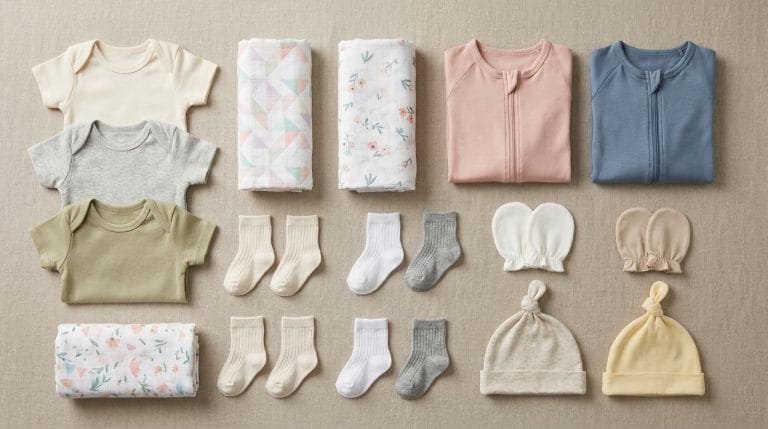
Complete Outfits: Pack two full backup outfits, including onesies, pants, and socks.
-
Lightweight Blanket: Useful for extra warmth, providing shade over a stroller, or acting as an impromptu play mat.
-
Pacifiers: Keep at least two extra pacifiers in a sterile, enclosed case.
-
Small Toys: Pack one or two quiet, engaging toys to keep them distracted during long waits.
Mom and Dad Essentials
Parents often focus so much on the infant that they completely forget about themselves! Your bag needs to serve as your personal purse or wallet as well.
-
Hydration and Energy: Pack a reusable water bottle and a high-protein snack like a granola bar.
-
Wallet and Keys: Use a secure, zippered interior pocket so these items never fall out.
-
Hand Sanitizer: An absolute must-have for cleaning your hands after diaper changes on the go.
-
Extra Shirt: If a major spit-up incident occurs, you will be incredibly grateful for a spare t-shirt.
Advanced Hacks for Diaper Bag Organization
Once you understand the basic principles of how to organize diaper bag essentials, you can level up. These advanced hacks will make your daily outings smoother and more enjoyable.
The “Grab and Go” Diaper Clutch
Sometimes you do not want to lug your massive, heavy backpack into a tiny public restroom. This is where the brilliant “diaper clutch” strategy comes into play.
Take a small, foldable changing mat and wrap it around two diapers and a small pack of wipes. Keep this compact bundle near the top of your bag so you can grab it with one hand.
Utilizing Exterior Pockets Smartly
Exterior pockets are incredibly valuable real estate and should never be wasted on random items. Reserve these easily accessible spots for things you need to grab in a split second.
Use the insulated side pockets for bottles or sippy cups to keep them at the right temperature. Use the front slip pockets for your cell phone, keys, and an emergency pacifier.
The Two-Bag System
If you have your child in daycare, constantly unpacking and repacking the same bag is exhausting. Many veteran parents highly recommend utilizing a convenient two-bag system.
Keep a larger, fully stocked bag ready for weekend trips and long days out. Keep a smaller, lighter bag near the door with just the bare minimum for quick errands.
Seasonal Swaps for Your Bag
Your packing list should absolutely change as the weather shifts throughout the year. Set a reminder on your phone to update your bag’s contents every few months.
Summer Essentials
During the scorching summer months, overheating and sun exposure are your primary concerns. Pack baby-safe sunscreen, a wide-brimmed sun hat, and extra fluids. You might also want to include a battery-operated clip-on fan for the stroller.
Winter Essentials
When the temperature drops, keeping your little one warm and dry becomes the main priority. Swap out the light cotton outfits for warm fleece layers, thick socks, and a cozy knit beanies. Add a heavier blanket and perhaps some baby-safe skin balm for dry, chapped cheeks.
Choosing the Right Bag: Backpack vs. Tote
Learning how to organize diaper bag contents is much easier if you actually have the right type of bag. The ongoing debate between backpacks and tote-style shoulder bags is a common dilemma for new parents.
The Diaper Backpack
Backpacks have become incredibly popular in recent years, and for very good reason. They evenly distribute the heavy weight across both of your shoulders, preventing severe back pain.
Most importantly, a backpack leaves both of your hands completely free. This is essential when you need to carry your child, push a stroller, and open doors simultaneously.
The Tote Style Bag
Tote bags look much more like traditional, stylish purses, which many mothers prefer. They typically feature a wide, open top, allowing you to see all your contents at a quick glance.
However, they can be quite heavy on one shoulder and constantly slip down your arm. Totes are generally better suited for quick trips rather than all-day excursions at an amusement park.
Essential Features to Look For
Regardless of which style you ultimately choose, there are specific features that make organization much easier.
Always look for a bag with a light-colored interior lining. A dark interior acts like a black hole, making it nearly impossible to find small items in low light.
Ensure the bag is made from water-resistant, wipeable fabric both inside and out. Spills are inevitable, and you want a bag that can be cleaned with a simple wet wipe. Finally, count the pockets—the more dedicated compartments a bag has, the easier it is to stay organized.
Common Mistakes to Avoid When Packing
Even with the best intentions, parents easily fall into bad packing habits. Avoid these common pitfalls to ensure your bag remains a helpful tool rather than a heavy burden.
Overpacking the “Just in Case” Items
It is incredibly tempting to pack four outfits, a dozen toys, and an entire pharmacy. However, overpacking makes your bag unbearably heavy and completely ruins your organizational system.
Stick strictly to the essentials and trust that you can handle minor inconveniences. If an unprecedented disaster happens, you can usually buy what you need at a nearby store.
Ignoring the Bottom of the Bag
Items naturally shift and sink to the bottom of the bag as you walk around. If you don’t periodically check the bottom, you will end up carrying expired snacks and outgrown clothing.
Make it a habit to rotate items and pull the older gear to the top. Never put crucial emergency items, like wipes, at the very bottom where they are hard to reach.
Forgetting to Restock
There is nothing worse than reaching for a diaper in a public restroom only to find an empty pocket. Fostering a consistent restocking habit is the most important part of diaper bag organization.
Make it a strict rule to restock your bag the moment you return home from an outing. Replace the diapers, refill the wipes, and wash the dirty bottles immediately so the bag is always ready.
Maintaining Your Organized Diaper Bag
Knowing how to organize diaper bag compartments is only half the battle; maintaining it is the true test. A beautiful, orderly bag can turn into a chaotic mess after just one hectic weekend.
The Nightly Reset Routine
Incorporate a quick “bag reset” into your normal evening routine after the kids are asleep. It only takes five minutes to empty the trash, restock diapers, and swap out used burp cloths.
This simple daily habit ensures you are never caught off guard during a rushed morning. Waking up to a fully prepared bag sets a positive, calm tone for your entire day.
Weekly Deep Cleans
Even with a nightly reset, crumbs and sticky spots will eventually accumulate inside the pockets. Dedicate ten minutes every Sunday afternoon to perform a more thorough deep clean.
Wipe down the interior lining with antibacterial wipes and wash the changing pad. This is also the perfect time to check if the backup clothes still actually fit your growing child.
Keeping Liquids Secure
Leaking bottles or spilled hand sanitizer can instantly ruin everything inside your bag. Always double-check that bottle caps are screwed on tight before placing them in the bag.
Store all liquids, including diaper creams and sanitizers, inside sealed Ziploc bags for an extra layer of protection. This simple preventative measure will save you from major cleaning headaches down the road.
Frequently Asked Questions (FAQs)
To make this guide even more comprehensive, we have answered some of the most common questions parents have.
Q: How many diapers should I pack for a full day out? A: A general rule of thumb is one diaper for every hour you are away, plus three extras. If you will be gone for six hours, packing nine or ten diapers is a very safe bet.
Q: At what age can I stop carrying a large diaper bag? A: Most parents transition to a much smaller bag or backpack when their child is fully potty trained. Around age two or three, you will mostly just need snacks, wipes, and a change of clothes.
Q: Are expensive designer diaper bags really worth the high cost? A: Not necessarily. While designer bags look great, functionality is far more important than a brand name. Many highly affordable bags offer better pockets, superior durability, and better ergonomic support.
Q: How do I handle dirty, wet clothes while out and about? A: Always carry a few empty plastic grocery bags or a dedicated “wet bag” with a waterproof zipper. This allows you to safely transport soiled clothes home without ruining the rest of your clean gear.
Conclusion & Call to Action (CTA)
Mastering exactly how to organize diaper bag contents is a game-changer for your parenting journey. It shifts you from a state of constant, frantic reacting to a state of calm, confident preparedness.
By categorizing your items, using handy packing cubes, and doing nightly resets, you can tackle any outing with ease. You will no longer fear public blowouts, and you can finally focus on enjoying precious moments with your child.
Remember, the perfect bag is the one that is customized specifically to your unique daily needs. Do not be afraid to tweak these lists and experiment until you find your ultimate packing rhythm.
Ready to conquer the chaos? Empty out your current diaper bag right now, wipe it down, and start fresh using our step-by-step methods above! Drop a comment below to let us know your absolute favorite diaper bag packing hack, and share this guide with a fellow parent who could use a little organization magic!