How to Treat Baby Eczema on Face Naturally: A Complete Parent’s Guide
If you are a concerned parent wondering exactly how to treat baby eczema on face naturally, you are certainly not alone. Seeing your little one struggle with red, itchy, and irritated skin can be heartbreaking and overwhelming.
However, nature provides us with plenty of safe, gentle, and effective remedies to soothe those delicate cheeks. You do not always have to rely on harsh chemicals or strong prescription creams right away.
In this comprehensive guide, we will walk you through the safest and most effective natural treatments. Every baby deserves to have smooth, comfortable, and pain-free skin.
Read on to discover how you can manage your infant’s facial eczema using simple, natural, and holistic approaches.
Understanding Baby Eczema on the Face
Before diving into the treatments, it is crucial to understand what you are actually dealing with. Eczema, also known as atopic dermatitis, is highly common in infants.
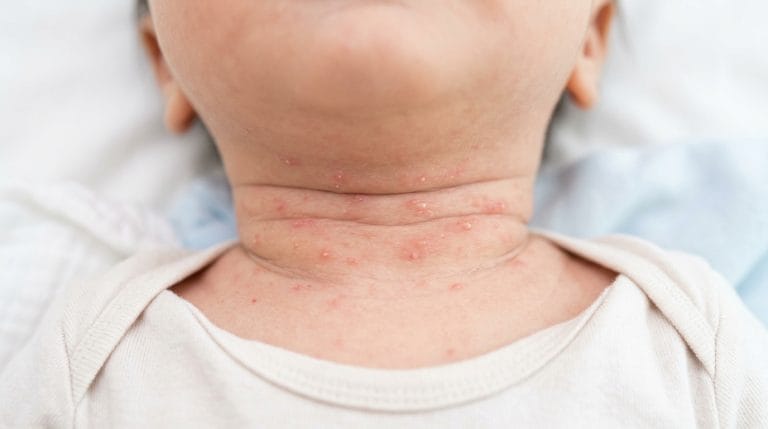
It usually appears during the first few months of life. On the face, it often shows up on the cheeks and chin as dry, scaly, and red patches.
What Exactly is Baby Eczema?
Eczema is a chronic skin condition where the skin barrier is weaker than normal. This means moisture escapes easily, and irritants can enter quickly.
Because a baby’s skin is already much thinner than an adult’s, their face is particularly vulnerable. The result is a cycle of dryness, itching, and inflammation.
Why Does It Appear on the Face?
The face is constantly exposed to the elements, making it a prime target for flare-ups. Factors like cold wind, indoor heating, and dry air can easily strip the skin of its natural oils.
Additionally, infants are prone to drooling, especially when teething. This constant wetness on the chin and cheeks can severely irritate the skin barrier.
Step-by-Step Guide: How to Treat Baby Eczema on Face Naturally
When treating infant eczema, consistency is your best friend. A daily routine focused on hydration and protection is key.
Here are the most effective natural steps you can take to soothe your baby’s facial eczema.
1. Keep the Skin Moisturized (The Natural Way)
Moisturizing is the most critical step in managing any form of eczema. Since the skin barrier is compromised, you need to trap moisture inside manually.
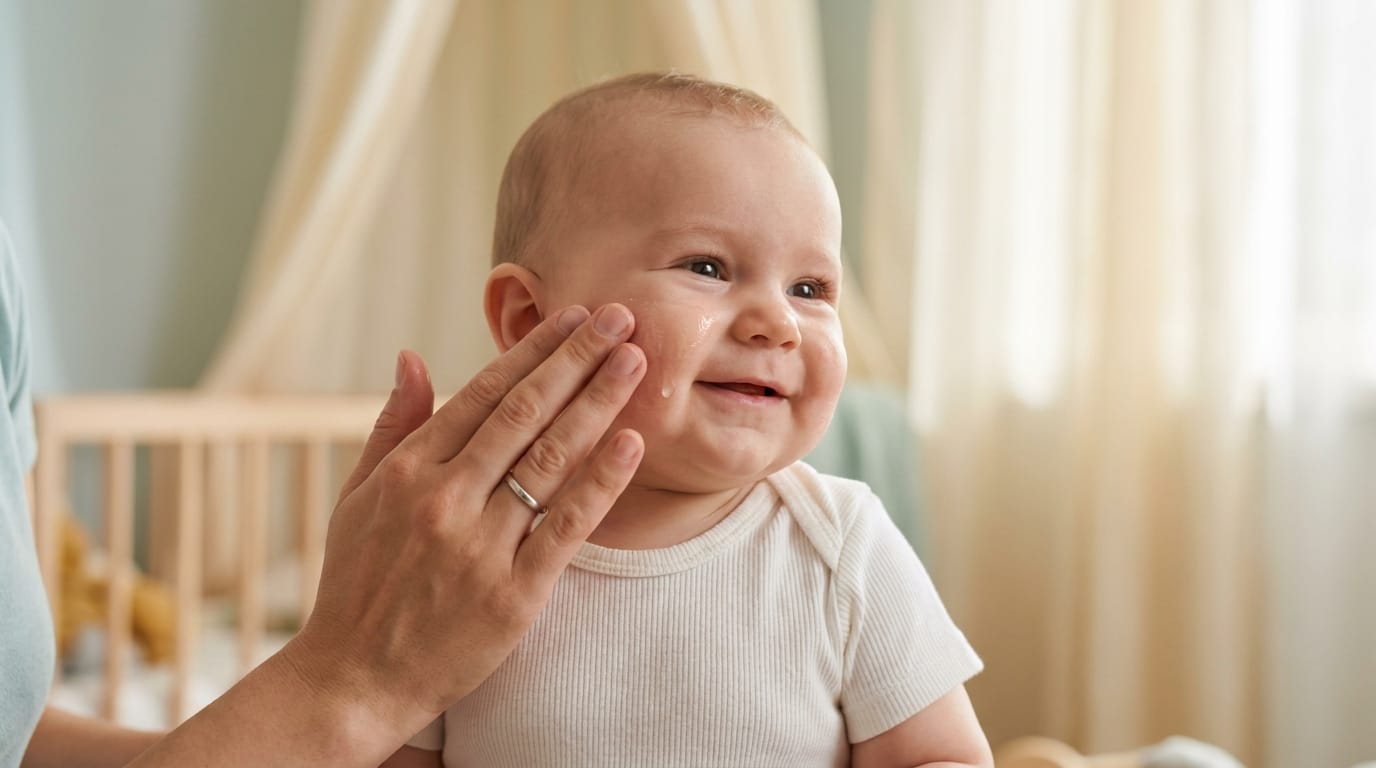
Apply a natural moisturizer immediately after washing your baby’s face. This helps to lock in the water before it evaporates.
Best Natural Oils for Eczema
Instead of commercial lotions loaded with synthetic fragrances, turn to natural oils. Organic, cold-pressed sunflower seed oil is fantastic because it improves the skin’s hydration and barrier function.
Coconut oil is another incredibly popular choice due to its natural antibacterial properties. You can easily find high-quality, organic, cold-pressed oils on amazon to deliver right to your door.
2. Practice a Gentle Cleansing Routine
Washing your baby’s face too often can actually make eczema worse. Water alone can dry out the skin if you do not moisturize immediately afterward.
Use lukewarm water—never hot—and a soft, damp cloth to gently wipe their face. Avoid scrubbing the skin, as friction will trigger more inflammation.
3. Breast Milk: Nature’s Liquid Gold
This might sound surprising, but breast milk is a highly effective, free, and natural remedy. It is packed with antibodies, proteins, and fats that promote skin healing.
Many mothers find success by simply dabbing a few drops of fresh breast milk onto the eczema patches. Let it air dry, and you may notice a significant reduction in redness.
4. Colloidal Oatmeal Pastes and Washes
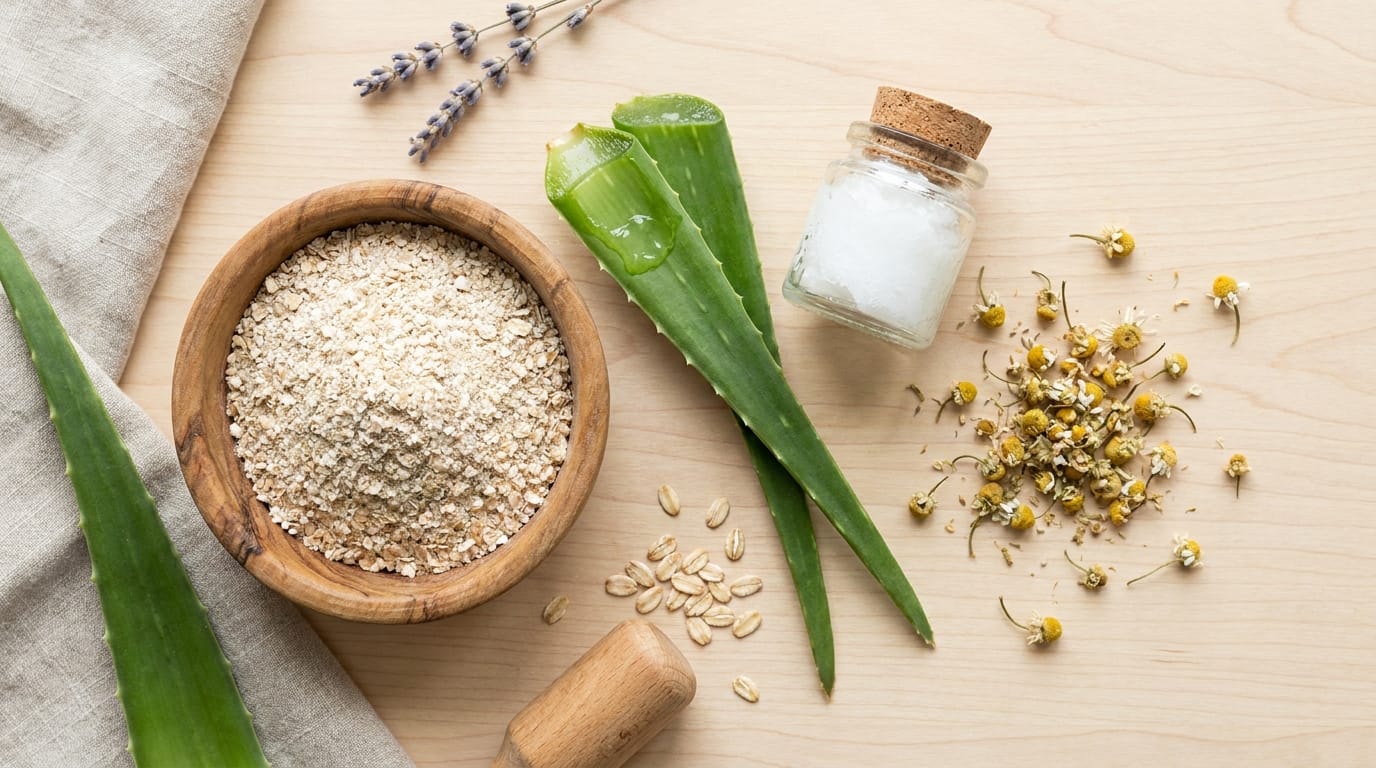
Colloidal oatmeal has been used for centuries to soothe itchy, inflamed skin. It binds to the skin and creates a protective barrier that locks in moisture.
You can mix finely ground plain oats with a little warm water to create a soothing paste. Apply this gentle mixture to your baby’s cheeks, let it sit for a minute, and gently rinse off.
Powerful Natural Ingredients to Soothe Your Little One’s Skin
When figuring out how to treat baby eczema on face naturally, your pantry might be your best pharmacy. Here is a closer look at specific natural ingredients that work wonders.
Aloe Vera Gel
Pure aloe vera gel is famous for its cooling and anti-inflammatory properties. It is perfect for cooling down angry, hot, and red eczema patches on the face.
Make sure to use 100% pure aloe vera without any added alcohol or fragrances. Break open a fresh leaf if you have a plant, or buy a high-quality organic gel.
Virgin Coconut Oil
As mentioned earlier, virgin coconut oil is a staple in natural skincare. It contains lauric acid, which helps prevent secondary skin infections caused by scratching.
Simply melt a tiny amount between your fingers and gently massage it into the cheeks. It absorbs relatively quickly and leaves the skin feeling deeply nourished.
Shea Butter and Cocoa Butter
If your baby’s skin is excessively dry and flaky, you might need something thicker than oil. Unrefined shea butter is deeply hydrating and rich in vitamins A and E.
It creates a thick, protective seal over the skin to prevent moisture loss throughout the day. Cocoa butter works similarly and provides a gentle, soothing barrier against harsh weather.
Chamomile Tea Compresses
Chamomile is naturally soothing and contains anti-inflammatory properties that can calm a flare-up. Brew a cup of pure chamomile tea and let it cool completely in the refrigerator.
Dip a soft, clean washcloth into the cool tea and gently press it against your baby’s face. This cool compress provides immediate relief from intense itching.
Managing Common Eczema Triggers
Treating the symptoms is only half the battle. To truly manage facial eczema naturally, you must identify and eliminate the triggers.
Every infant is different, so it may take some careful observation to figure out what is causing the flare-ups.
Protect Against Drool and Spit-Up
Drool rash often goes hand-in-hand with facial eczema. The digestive enzymes in baby drool and spit-up can easily break down the delicate skin barrier.
Keep a soft, absorbent burp cloth handy and gently pat—do not wipe—the chin dry. Applying a thick layer of natural balm (like beeswax or shea butter) before naps can act as a protective shield.
Environmental Allergens and Irritants
Dust mites, pet dander, and pollen can all trigger an eczema flare-up. Keep your home, especially the nursery, as clean and dust-free as possible.
Wash all baby bedding in hot water weekly to eliminate dust mites. Ensure that pets are kept out of the sleeping areas if you suspect an allergy.
Be Mindful of Weather Changes
Extreme weather conditions are notorious for wreaking havoc on sensitive skin. Cold, windy winter days strip moisture, while hot, humid summer days cause sweat-induced irritation.
In the winter, apply a thick natural barrier cream before going outside. In the summer, keep the baby cool and wipe away sweat promptly with a damp cloth.
Lifestyle and Environmental Changes for Eczema Relief
Sometimes, how to treat baby eczema on face naturally comes down to simple daily habits. Adjusting your baby’s environment can make a massive difference in their skin health.
Dress Them in Soft, Breathable Fabrics
Clothing plays a huge role in skin health, even for facial eczema. Rough fabrics or tight collars can rub against the chin and cheeks, causing friction.
Always choose 100% organic cotton or bamboo clothing for your infant. These materials are incredibly soft, breathable, and less likely to cause irritation.
Manage Indoor Temperature and Humidity
Central heating and air conditioning can severely dry out the air inside your home. Dry air pulls moisture directly from your baby’s skin, leading to instant flare-ups.
Invest in a cool-mist humidifier for your baby’s room, especially during the winter months. Aim to keep indoor humidity levels between 40% and 50% for optimal skin hydration.
Use Non-Toxic, Fragrance-Free Products
You must be vigilant about the products you use around your baby. This includes laundry detergents, fabric softeners, and even your own perfumes.
Switch to hypoallergenic, fragrance-free laundry detergents for the entire household. Remember, your baby’s face rests against your clothes when you hold them, so your laundry detergent matters too.
Dietary Considerations for Eczema Management
While external treatments are vital, true healing often starts from within. Diet can play a surprising role in managing childhood eczema.
If your baby is struggling with chronic flare-ups, it might be time to look at their nutrition.
For Breastfeeding Mothers
If you are nursing, what you eat passes through your breast milk to your child. Some infants are highly sensitive to certain proteins in their mother’s diet.
Common culprits include dairy, soy, eggs, and gluten. You might try an elimination diet under a doctor’s supervision to see if your baby’s skin improves.
Introducing Solid Foods Safely
When it is time to start solids, introduce new foods very slowly. Give your baby one new food every three to four days to monitor for any allergic reactions.
If you notice a sudden flare-up on their face after eating a specific food, stop giving it immediately. Consult your pediatrician before reintroducing known allergenic foods.
Incorporating Probiotics
Gut health is closely linked to skin health, a concept known as the gut-skin axis. A healthy microbiome can reduce overall inflammation in the body.
Ask your pediatrician if an infant-safe probiotic supplement is right for your child. Probiotics can help balance their internal flora, which may naturally reduce eczema symptoms.
Preventing the Scratching Cycle
One of the hardest parts of baby eczema is watching them scratch their face. Scratching damages the skin barrier further and opens the door to bacterial infections.
Preventing the scratch is crucial to allowing the skin to heal naturally.
Keep Nails Short and Smooth
Infant nails grow incredibly fast and can be razor-sharp. Check their nails every couple of days and trim them carefully.
Use a soft emery board or a specialized baby nail file to smooth out any rough edges. This ensures that if they do rub their face, they cause minimal damage.
Utilize Scratch Mittens
For babies who constantly rub their faces during sleep, scratch mittens are a lifesaver. These soft cotton covers prevent their sharp nails from digging into their cheeks.
If they manage to pull the mittens off, look for baby pajamas with fold-over cuffs built into the sleeves.
What to STRICTLY Avoid When Treating Facial Eczema
Knowing what NOT to do is just as important as knowing what to do. Many common practices can actually worsen your baby’s skin condition.
Say No to Harsh Soaps and Bubble Baths
Traditional soaps and bubble baths are highly alkaline and strip the skin of its natural, protective oils. Never use adult body washes or heavily scented baby shampoos on their face.
Stick to plain water or a very mild, soap-free cleanser specifically designed for eczema.
Avoid Synthetic Fragrances and Dyes
“Fragrance” is a catch-all term that can hide hundreds of irritating chemicals. These chemicals are one of the leading causes of contact dermatitis.
Always read labels carefully and choose products that explicitly state “fragrance-free,” not just “unscented.” Unscented products may still contain masking chemicals.
Do Not Over-Dress Your Baby
Overheating is a massive trigger for the intense itching associated with eczema. When a baby sweats, the salt in their sweat stings their dry, cracked skin.
Dress your baby in light layers that can be easily removed if they get too warm. Keep the nursery cool at night to promote comfortable, itch-free sleep.
Debunking Common Myths About Baby Eczema
When searching for natural remedies, you will likely encounter a lot of conflicting advice. Let’s clear up some common misconceptions so you can treat your baby safely.
Myth: Eczema is Contagious
Fact: Eczema is absolutely not contagious. You cannot catch it from someone else, and your baby cannot pass it to other children. It is a genetic and environmental immune response.
Myth: You Should Stop Bathing Your Baby
Fact: While long, hot baths are bad, short, lukewarm baths are actually beneficial. Bathing helps wash away crusts, sweat, and environmental allergens from the skin. The trick is to moisturize immediately afterward.
Myth: Eczema is Always Caused by a Food Allergy
Fact: While food allergies can trigger flare-ups in some babies, they are not the sole cause. Most eczema is caused by a genetic skin barrier defect combined with environmental triggers.
When to See a Pediatrician or Dermatologist
While natural treatments are incredibly effective, eczema can sometimes become severe. It is important to know when home remedies are no longer enough.
Always trust your parental instincts and seek medical advice if you are worried.
Signs of a Skin Infection
Because eczema involves broken skin, bacterial and viral infections are a real risk. Watch out for golden-yellow crusts, oozing blisters, or extreme redness.
If the skin feels hot to the touch or your baby develops a fever, contact a doctor immediately.
When Natural Methods Fail
If you have been diligently using natural moisturizers and triggers are managed, but the skin is not improving, seek help. Sometimes a short course of a mild prescription cream is necessary to break the cycle of inflammation.
Once the severe flare-up is controlled medically, you can return to your natural maintenance routine.
Conclusion
Figuring out how to treat baby eczema on face naturally requires patience, consistency, and a lot of love. By keeping their delicate skin deeply moisturized with natural oils, avoiding harsh chemical triggers, and making simple lifestyle adjustments, you can help them find relief.
Remember that every child’s skin is wonderfully unique. What works perfectly for one infant might not be the exact solution for another. Take the time to observe your baby, patch-test new natural ingredients, and slowly build a gentle skincare routine that works for your family.
You are doing an amazing job, and with the right natural care, your baby’s skin will soon be soft, smooth, and smiling again.
What’s Your Next Step?
Don’t wait for the next flare-up to take action! Start today by checking your baby’s current skincare products for hidden fragrances and swapping them out for natural alternatives.
If you found this guide helpful, please share it with other parents who might be struggling with baby eczema. Have you tried any natural remedies that worked wonders for your little one? Let us know in the comments below!