What to Do About Baby Skin Peeling Newborn Phase? The Ultimate Guide
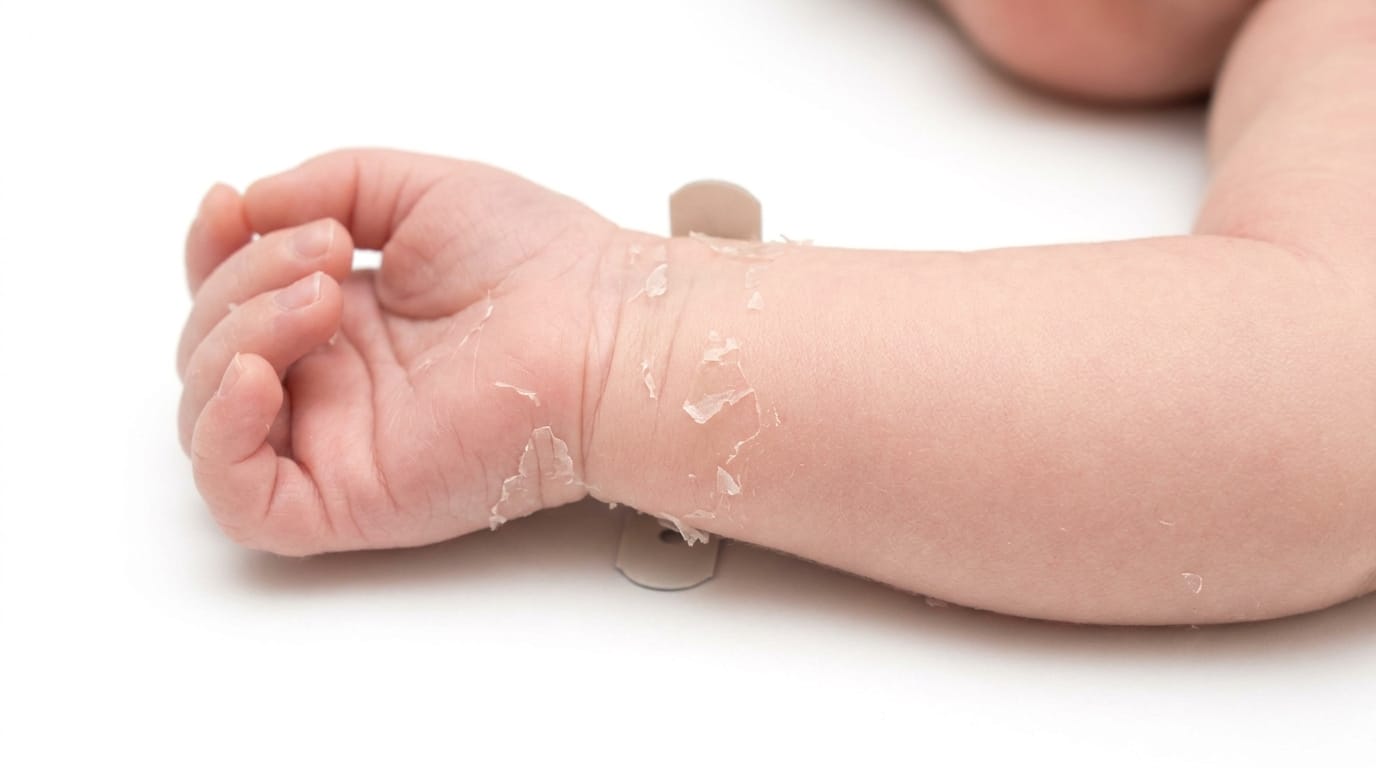
Seeing your baby skin peeling newborn days after bringing them home can definitely trigger a little panic, but take a deep breath because you are absolutely not alone!
Hello there, new parents! First of all, congratulations on the arrival of your little one. Bringing a baby into the world is a magical experience, but it also comes with a lot of unexpected surprises.
You probably imagined your newborn having that famously flawless, incredibly soft “baby skin.” So, when you unwrap them from their swaddle and notice their tiny hands, feet, or belly shedding like a little snake, it is entirely natural to feel worried.
Grab a cup of coffee (or tea, if you prefer!), sit back, and let’s talk about this together. I am going to walk you through exactly why this happens, how to care for your little one, and when you should actually reach out to a pediatrician.
Understanding What Causes Baby Skin Peeling Newborn Flakiness
To understand why your little one is shedding, we have to look back at where they just spent the last nine months. For almost a year, your baby was living in a watery environment—amniotic fluid, to be exact.
While inside the womb, your baby’s skin was protected by a thick, white, waxy coating known as the vernix caseosa. This amazing natural barrier protected their delicate skin from getting wrinkled or damaged by the fluid.
Once your baby is born, that vernix is either wiped away by the nurses or naturally rubs off on their clothing over the first few days. Suddenly, your baby’s skin is exposed to dry air for the very first time.
Just like our hands get dry and chapped in the winter wind, your newborn’s skin reacts to the sudden lack of moisture. The top layer of their skin simply dries out and begins to flake off, paving the way for the true, soft baby skin underneath.
Does the Due Date Matter?
Interestingly, when your baby was born plays a massive role in how much they will peel.
- Premature Babies: Babies born early usually have more vernix caseosa left on their skin. Because of this extra protection, they tend to experience very little peeling, if any at all.
- Full-Term Babies: Babies born right around their due date will have a moderate amount of peeling. You might notice it most on their wrists, ankles, and tummy.
- Overdue Babies: If your baby decided to stay cozy in the womb past 40 weeks, they likely lost most of their protective vernix before birth. Because of this, overdue babies often experience the most intense peeling.
Is This Flaking Painful for My Baby?
I know it looks uncomfortable. Sometimes the peeling can look quite intense, especially around the wrists and ankles where the skin naturally folds.
But here is the best news you will hear today: your baby is completely unfazed by it!
The shedding process does not hurt, it does not itch, and it does not cause them any discomfort. It is a 100% natural, biological transition. Think of it as their skin simply adjusting to life on the outside.
If your baby is eating well, sleeping (as much as a newborn can!), and having regular wet diapers, they are perfectly happy. The peeling is usually more stressful for the parents than it is for the child.
Safe and Gentle Remedies for Baby Skin Peeling Newborn Skin
Even though this is a natural process, I know that as a parent, you want to do everything you can to pamper your baby. You are probably wondering how to speed up the process or at least make their skin look a bit smoother.
When dealing with a baby skin peeling newborn condition, the key is to be incredibly gentle. Here is a step-by-step guide on how to safely manage your baby’s dry skin at home.
1. Re-evaluate Bath Time
Newborns do not need daily baths. In fact, bathing your baby every day can actually strip away their natural oils, making the peeling much worse.
- Keep baths short, limiting them to about 5 to 10 minutes maximum.
- Use lukewarm water, not hot. Always test the water with the inside of your wrist first.
- Skip the harsh soaps. Use a gentle, fragrance-free, hypoallergenic baby wash.
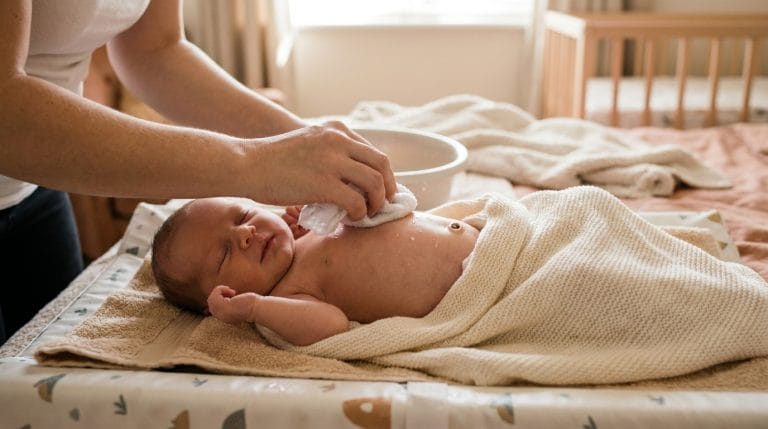
- Bathe them only 2 to 3 times a week. On other days, a simple “top and tail” sponge bath (washing their face, neck, and diaper area) is more than enough.
2. Lock in the Moisture
The best time to moisturize your baby is immediately after their bath. This technique is often called the “soak and seal” method.
- When you take your baby out of the tub, gently pat their skin dry with a soft cotton towel. Do not rub!
- While their skin is still slightly damp, apply a generous layer of baby-safe moisturizer.
- Look for creams or ointments rather than thin lotions, as they provide a thicker barrier to lock in the water.
3. Choose the Right Ingredients
Not all baby products are created equal. Just because a bottle has a cute baby on the label doesn’t mean it’s the best choice for peeling skin.
When shopping for moisturizers, look for products containing ingredients like:
- Ceramides (helps rebuild the skin barrier)
- Colloidal oatmeal (soothes dry, irritated skin)
- Shea butter or cocoa butter (provides deep, natural moisture)
- Petrolatum (excellent for locking in moisture, especially on severely dry spots)
Always avoid products that contain artificial fragrances, dyes, or parabens, as these can irritate your baby’s delicate skin barrier.
4. Dress Them in Breathable Fabrics
What your baby wears can directly impact how their skin heals. Synthetic fabrics can trap heat and friction, causing further irritation to flaking skin.
- Stick to 100% loose-fitting cotton clothing.
- Avoid tight socks or booties that might rub against the peeling skin on their ankles.
- Wash all of their clothes, blankets, and crib sheets in a gentle, unscented baby laundry detergent.
5. Regulate the Room Temperature
The environment in your home plays a big part in your baby’s skin health. If you live in a cold climate and have the heater running, the air in your home is likely very dry.
- Consider placing a cool-mist humidifier in the room where your baby sleeps.
- This will add moisture back into the air, preventing their skin from drying out further.
- Keep your home at a comfortable, moderate temperature to prevent your baby from sweating, which can also irritate peeling skin.
What NOT to Do When Your Baby is Peeling
As a parent, sometimes the hardest thing to do is absolutely nothing. When you see a loose flake of skin hanging off your baby’s little toe, the temptation to pull it off can be overwhelming.
Do not pick, peel, or rub the flaking skin!
I cannot stress this enough. Even if a piece of skin looks like it is about to fall off on its own, let it be. Peeling the skin manually can pull off healthy skin underneath that isn’t quite ready to be exposed.
This can lead to raw, sore spots and create an opening for bacteria, which drastically increases the risk of a skin infection. Let nature take its course. The dead skin will naturally shed onto their clothing or in the bathwater when it is fully ready.
Is It Just Normal Peeling, or Something Else?
While standard newborn peeling is nothing to stress over, babies can sometimes develop other skin conditions during their first few weeks of life. It is helpful to know the difference so you can treat them properly.
Here are a few other common newborn skin quirks you might encounter:
Cradle Cap (Seborrheic Dermatitis)
If you notice thick, greasy, yellowish crusts or scales on your baby’s scalp, eyebrows, or behind their ears, this is likely cradle cap. Unlike the dry flaking of normal skin peeling, cradle cap is caused by an overproduction of oil. It is harmless and usually goes away with gentle washing and light brushing.
Baby Acne
Around two to four weeks of age, your baby might suddenly break out in tiny red or white bumps on their cheeks, nose, and forehead. This is due to maternal hormones leaving their body. It requires no treatment and will clear up on its own.
Eczema (Atopic Dermatitis)
If your baby’s peeling skin seems to persist well past the first month, or if it turns into red, raised, incredibly itchy patches, they might be developing eczema. Eczema often appears in the creases of the elbows and knees. If you suspect eczema, it is best to consult your doctor for a targeted skincare routine.
Erythema Toxicum
This sounds scary, but it is incredibly common and benign. It looks like a red blotchy rash with tiny, pus-filled bumps (resembling flea bites) that can appear anywhere on the body within the first few days of life. It vanishes on its own within a week or two without any intervention.
When to See a Doctor for Baby Skin Peeling Newborn Issues
Because you are managing a baby skin peeling newborn situation, you should mostly rely on patience and gentle moisturizers. However, as an experienced parent will tell you, it is always better to be safe than sorry when it comes to your infant’s health.
While regular flaking is normal, there are certain red flags that indicate a trip to the pediatrician is necessary.
You should call your doctor immediately if you notice any of the following symptoms:
- Redness or Swelling: If the skin underneath the peeling area looks bright red, inflamed, or swollen.
- Oozing or Pus: Any yellowish crusting, oozing fluid, or pus coming from the cracked skin is a strong sign of a bacterial infection.
- Fever: If your baby develops a fever (a rectal temperature of 100.4°F or higher in a newborn is always a medical emergency).
- Cracked and Bleeding Skin: If the dry skin cracks open and begins to bleed, it needs medical attention to prevent infection and ease discomfort.
- Extreme Fussiness: If the peeling seems to be causing your baby genuine pain, or if they are unusually lethargic or refusing to feed.
Your pediatrician is your best partner in this journey. Never hesitate to send them a photo through your patient portal or give the nursing line a call if something doesn’t feel right to you. Mother’s (and father’s!) intuition is a very real, very powerful thing.
Establishing a Long-Term Skincare Routine
Once the initial newborn peeling phase passes—usually by the time your baby is two to three weeks old—they will be left with that incredibly soft, squishy skin you have been dreaming of.
To keep it that way, you can establish a simple, loving skincare routine. This doesn’t just protect their skin; it also serves as a wonderful bonding activity for you and your baby!
Make Massage a Daily Habit
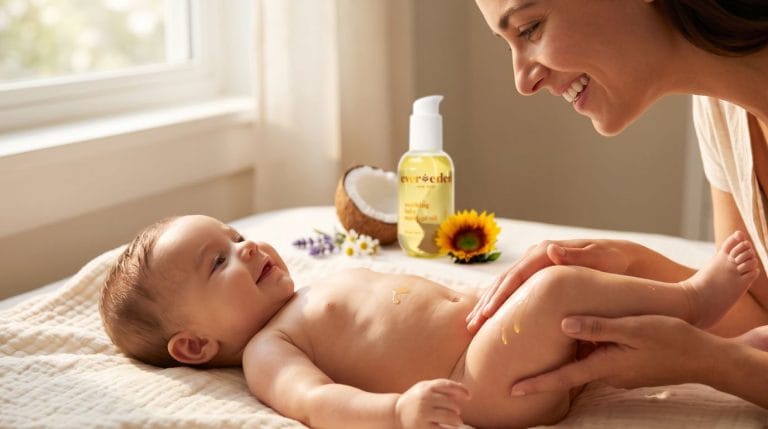
Baby massage is incredibly beneficial. After your baby’s bath, or right before bedtime, take five minutes to gently massage them with a baby-safe oil (like organic sunflower seed oil or sweet almond oil) or a thick cream.
Gentle massage improves circulation, helps them relax for a better night’s sleep, and keeps their skin hydrated. Plus, the skin-to-skin contact releases oxytocin (the love hormone) for both you and your baby!
Protect Them from the Elements
As your baby grows and you start taking them outside, remember that their skin is still much thinner and more vulnerable than adult skin.
- In the Winter: Protect their face and hands from biting winds with a thick layer of protective balm (like an ointment-based barrier cream) before going for a stroller walk.
- In the Summer: Keep babies under six months out of direct sunlight entirely. Dress them in lightweight, long-sleeved clothing and wide-brimmed hats. Sunscreen is generally not recommended for babies under six months without a doctor’s approval.
A Quick Summary for Busy Parents
If you are currently sleep-deprived and just skimmed through this article (which is totally okay—we have all been there!), here is the quick, essential cheat sheet for managing your newborn’s skin:
- It is normal: Peeling is just the transition from the wet womb to the dry world.
- It does not hurt: Your baby isn’t bothered by it at all.
- Keep baths short: 5-10 minutes in lukewarm water, 2-3 times a week.
- Moisturize: Apply a thick, fragrance-free cream while their skin is still damp.
- Leave it alone: Never pick, rub, or pull the flaking skin off.
- Watch for infections: Call the doctor if you see redness, pus, or bleeding.
Conclusion
Parenting a newborn is essentially a crash course in things you never knew you had to worry about. From figuring out their sleep schedules to mastering the perfect swaddle, you already have so much on your plate.
Dealing with a baby skin peeling newborn situation does not need to be another source of stress for you. Remember that this is just a temporary, entirely normal phase of their beautiful development. Within a few short weeks, this flaking will be a distant memory, replaced by the softest cheeks you will ever kiss.
Trust your instincts, keep their little bodies gently moisturized, and give yourself a massive pat on the back. You are doing a phenomenal job navigating these early days of parenthood.