How to Dress Baby for Sleep in 72 Degrees ? Ultimate Parent’s Guide
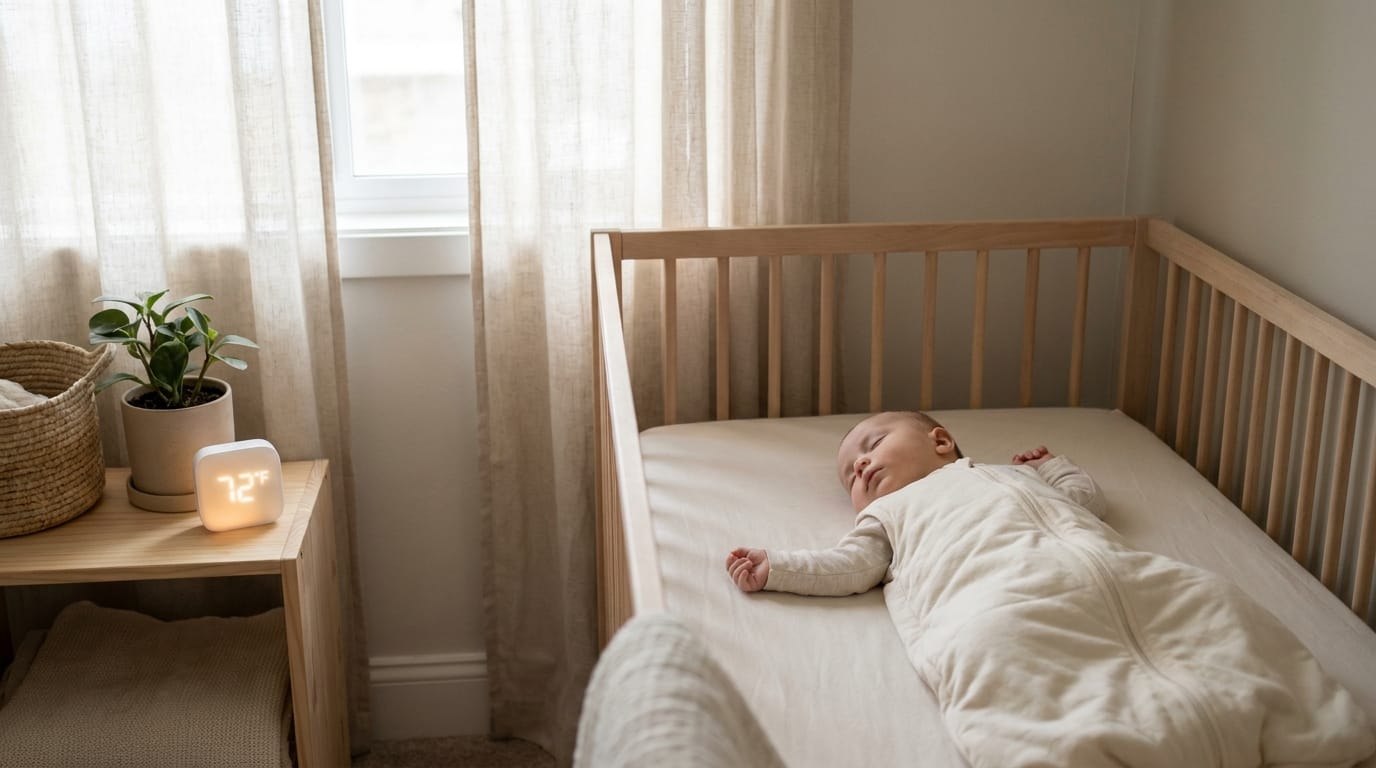
If you’re a new parent constantly checking the room thermometer and wondering how to dress baby for sleep in 72 degrees, you are absolutely not alone! We have all been there, standing over the crib at 2 AM, worrying if our little one is too hot or too cold.
Grab a cup of coffee (or let’s be real, reheat that same cup for the third time today), and let’s sit down for a chat. I am going to walk you through exactly what you need to know to ensure your baby sleeps safely and comfortably.
As a parent, ensuring your baby gets a good night’s sleep is one of your top priorities. Not only does it help their development, but it also means you get some much-needed rest, too!
In this comprehensive guide, we will break down the ideal sleepwear, understand fabrics, and decode those confusing TOG ratings. Let’s dive in and make bedtime a breeze!
Why 72 Degrees Fahrenheit is the Sweet Spot
First things first, let’s talk about the temperature itself. Pediatricians and sleep experts generally recommend keeping a baby’s room between 68°F and 72°F (20°C to 22.2°C).
At 72 degrees, the room is comfortably warm but not stuffy. It mimics a pleasant, breezy springtime environment.
This specific temperature is considered a “sweet spot” for infant sleep. It drastically reduces the risk of overheating, which is a known risk factor for Sudden Infant Death Syndrome (SIDS).
When the room is sitting nicely at 72 degrees, your baby’s tiny body doesn’t have to work overtime to regulate its internal temperature. They can just relax and drift off to dreamland.
The Golden Rule: How to Dress Baby for Sleep in 72 Degrees
When figuring out exactly how to dress baby for sleep in 72 degrees, a good rule of thumb is to dress them in one more layer than you would comfortably wear in the same room.
Since adults typically sleep with a sheet and a blanket, and babies cannot safely use loose blankets, we have to recreate that warmth using wearable layers.
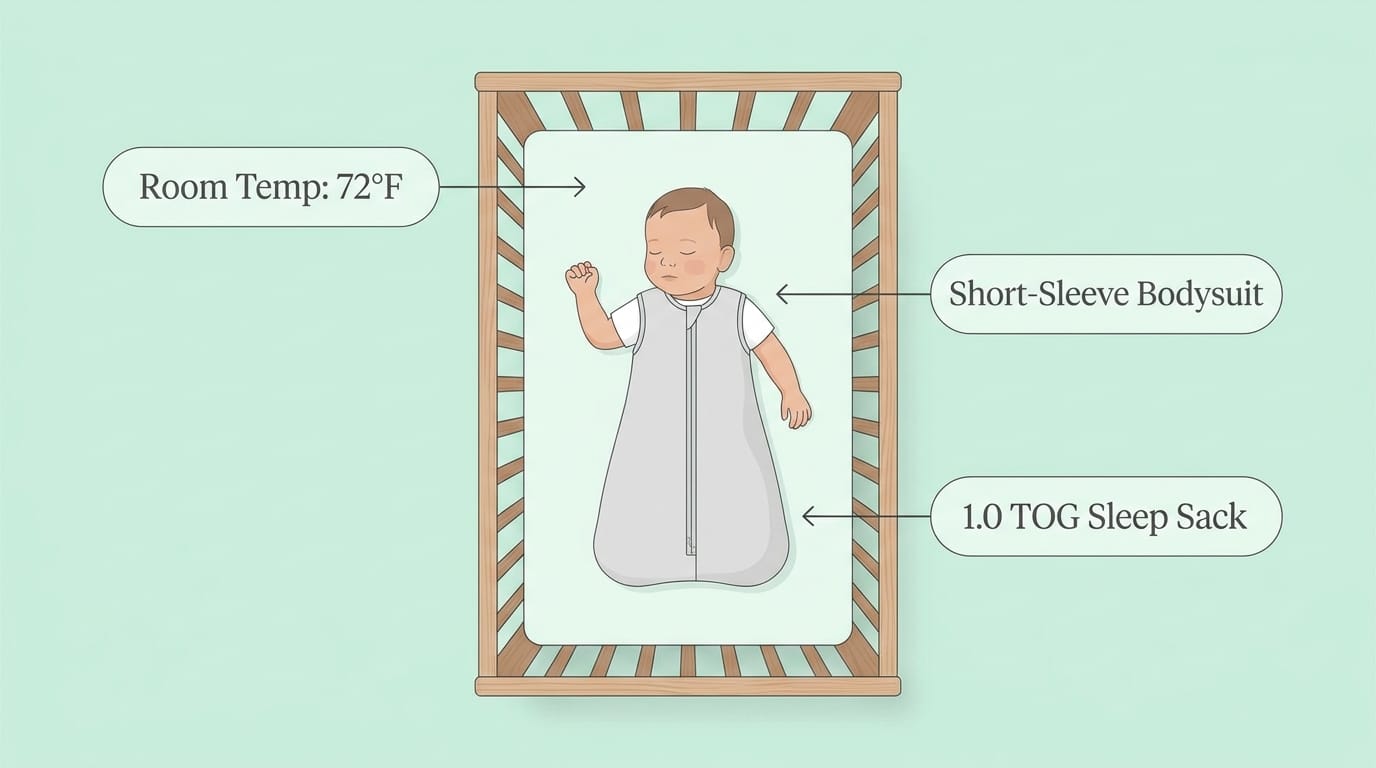
Here is the perfect, foolproof outfit combination for a 72-degree room:
- Base Layer: A short-sleeve or long-sleeve cotton bodysuit (onesie).
- Outer Layer: A lightweight sleep sack or swaddle (ideally 1.0 TOG or 0.5 TOG).
It really is that simple! You don’t need heavy fleece pajamas or thick winter wear for this ideal room temperature.
Understanding TOG Ratings (Your New Best Friend)
If you have been shopping for baby sleepwear, you have probably seen the word “TOG” thrown around. It sounds technical, but it is actually very straightforward.
TOG stands for Thermal Overall Grade. It is simply a measurement of how much heat a specific fabric retains. The higher the TOG, the warmer the garment.
For a room sitting at a comfortable 72 degrees, you want to aim for a sleep sack with a 1.0 TOG rating.
If your baby tends to run a little warm, or if it’s the middle of summer, a 0.5 TOG rating might be even better. Save the heavy 2.5 TOG sacks for the freezing winter nights!
The Best Fabric Choices for Your Baby
Not all fabrics are created equal, especially when it comes to infant sleep. Your baby’s skin is incredibly delicate and sensitive.
You want materials that are highly breathable, moisture-wicking, and incredibly soft. Here are the top choices for a 72-degree environment:
- 100% Organic Cotton: The classic choice. It is highly breathable, easy to wash, and rarely irritates sensitive skin.
- Bamboo Viscose: This is a miracle fabric for babies! It is buttery soft, naturally temperature-regulating, and stretches beautifully.
- Muslin: Made from loosely woven cotton, muslin is lightweight and perfect for preventing overheating.
- Merino Wool: Don’t let the word “wool” scare you! Lightweight merino wool is actually fantastic year-round because it naturally regulates body heat.
Avoid synthetic fabrics like polyester or heavy fleece for a 72-degree room. These materials trap heat and sweat, which can quickly lead to an uncomfortable and overheated baby.
Step-by-Step Guide: Layering for a Perfect Night’s Sleep
Let’s break down the exact clothing pieces you should pull from your baby’s dresser tonight. Think of dressing your baby like building a cozy, breathable sandwich!
Step 1: The Trusty Base Layer
Start with a well-fitting bodysuit, often called a onesie. For 72 degrees, a classic cotton short-sleeve onesie is usually the perfect starting point.
If the air conditioning is blowing directly into the room, or if your baby seems to get chilly easily, you can opt for a lightweight, long-sleeve cotton onesie instead.
Make sure the onesie is snug but not tight. You want to avoid any excess fabric bunching up around their neck or face.
Step 2: The Wearable Blanket (Sleep Sack)
Since traditional blankets are a huge safety hazard for infants under twelve months, the sleep sack is your greatest tool.
Slip your baby into a 1.0 TOG cotton or bamboo sleep sack over their onesie. This acts as their “blanket” for the night.
If your baby is a newborn and still enjoys being swaddled, use a lightweight muslin or cotton swaddle blanket instead of a sleep sack.
Step 3: Ditch the Hats and Socks
A lot of parents are tempted to put a cute little beanie or socks on their baby before bed. In a 72-degree room, you should definitely skip the hat!
Babies release a significant amount of their body heat through their heads. Wearing a hat indoors can quickly cause a baby to overheat.
As for socks, unless your baby’s toes feel like actual ice cubes, they usually aren’t necessary if their legs are inside a cozy sleep sack.
Crucial Tips Beyond How to Dress Baby for Sleep in 72 Degrees
Knowing what clothes to put on is only half the battle. You also need to know how to read your baby’s physical cues.
Every baby is unique. Some run hot, like a little furnace, while others get chilly very quickly.
Even if you perfectly follow the guidelines on how to dress baby for sleep in 72 degrees, you should always physically check on them to ensure they are comfortable.
How to Check if Your Baby is Overheating
Overheating is dangerous and can make your baby very fussy. Here is how you can tell if they are too hot:
- The Neck Test: Gently place two fingers on the back of your baby’s neck or down their chest. If it feels hot or sweaty, they are overdressed.
- Flushed Cheeks: If your baby looks incredibly red or flushed, they might be too warm.
- Rapid Breathing: Breathing faster than normal (when not crying) can be a sign of heat stress.
- Restlessness: A baby who is too hot will often thrash around, struggle to settle, or wake up frequently.
If you notice these signs, immediately remove a layer. Take off the sleep sack or switch to a lighter base layer.
How to Check if Your Baby is Too Cold
It is actually safer for a baby to be slightly cool than too hot. However, being cold will definitely cause them to wake up crying!
- The Chest Test: Again, feel their chest or back. If it feels cool to the touch, they need more warmth.
- Don’t rely on hands and feet! A baby’s circulatory system is still developing. It is completely normal for their hands and feet to feel cold, even if their core temperature is perfect.
- Frequent Wakings: If a normally good sleeper suddenly starts waking up every hour, they might be chilly.
If they are cold, don’t add a loose blanket. Instead, switch their short-sleeve onesie to a long-sleeve footie pajama under their sleep sack.
Safe Sleep Guidelines Every Parent Must Know
While we are on the topic of bedtime, we have to talk about overall sleep safety. The American Academy of Pediatrics (AAP) has very clear guidelines.
Always remember the “ABCs” of safe sleep: Alone, on their Back, in a Crib.
- Firm Mattress: Your baby should sleep on a firm, flat mattress with a tightly fitted sheet.
- No Loose Items: Keep the crib completely bare. No pillows, no stuffed animals, no bumper pads, and absolutely no loose blankets.
- Back to Sleep: Always place your baby on their back to sleep. If they are old enough to roll over on their own, you do not need to flip them back.
- Share a Room, Not a Bed: The AAP recommends room-sharing (keeping the crib in your room) for at least the first six months.
Following these rules, combined with proper dressing, creates the safest possible environment for your little one.
The Role of Your Nursery’s Environment
The clothes your baby wears are just one piece of the puzzle. The overall environment of the nursery plays a massive role in their comfort.
A thermostat setting of 72 degrees in your hallway doesn’t always mean the nursery is exactly 72 degrees.
Beware of Sunlit Rooms and Drafty Windows
If the nursery gets a lot of afternoon sun, the walls might retain heat, making the room warmer than the rest of the house at bedtime.
Conversely, if the room is over a garage or has older, drafty windows, it might actually be sitting at 68 degrees, even if your thermostat says 72.
It is highly recommended to buy a cheap, reliable indoor thermometer specifically for the nursery. Place it near the crib (but out of reach) for an accurate reading.
Using Fans and Air Conditioning
Using a ceiling fan or a stationary fan in the nursery is actually a fantastic idea!
Studies have shown that running a fan in a baby’s room can reduce the risk of SIDS by up to 72% because it keeps stale air from pooling around their face.
Just ensure the fan or the AC vent is not blowing cold air directly onto your baby. A gentle circulation of air in the room is all you need.
Do You Need a Humidifier?
A 72-degree room with dry air can irritate your baby’s nasal passages, leading to a stuffy nose and poor sleep.
If you live in a dry climate, or if you are running the central heating/cooling constantly, consider using a cool-mist humidifier.
Aim for an indoor humidity level between 40% and 60%. This keeps their airways moist and comfortable all night long.
Daytime Naps vs. Nighttime Sleep
You might be wondering if you should dress your baby differently for a midday nap compared to overnight sleep.
Generally, the rules remain the same. If the room is 72 degrees during the day, dress them just as you would for nighttime.
However, human body temperature naturally drops in the very early hours of the morning (around 3 AM to 4 AM).
If you notice your baby always wakes up at 4 AM, they might be getting a slight chill. You might need to adjust their base layer to something slightly warmer for nighttime.
During the day, sunlight and ambient house activity can make a 72-degree room feel a bit warmer, so sticking to lightweight layers is perfect.
The Swaddle to Sleep Sack Transition
For newborns, swaddling is like magic. It suppresses their natural startle reflex and mimics the cozy feeling of the womb.
If your baby is a newborn, a lightweight cotton or muslin swaddle over a simple onesie is the perfect 72-degree outfit.
However, the moment your baby shows signs of rolling over (usually around 2 to 4 months), you must stop swaddling immediately.
At this point, you transition to a sleep sack. A sleep sack allows their arms to be completely free, which is crucial for their safety if they roll onto their tummy.
When making this transition, you can try transitional sleep sacks that offer a snug fit around the chest but leave the arms free, helping them adjust to the new feeling.
Frequently Asked Questions (FAQs)
As a parent, your brain is probably buzzing with a million “what ifs.” Let’s tackle some of the most common questions about baby sleep wear.
1. Can my baby sleep in just a diaper at 72 degrees? At 72 degrees, just a diaper is likely going to be too chilly for your baby. Remember, their bodies aren’t as good at regulating temperature as ours. A light onesie and a sleep sack are much better.
2. Are footie pajamas okay for a 72-degree room? Yes, but they should be thin, breathable cotton or bamboo. If you use footie pajamas, you might want to skip the sleep sack or use an ultra-light 0.5 TOG sack to avoid overheating.
3. What if my baby gets a fever in the middle of the night? If your baby is sick and has a fever, do not bundle them up! Dress them in a very light, breathable layer to help their body release the heat. Always consult your pediatrician if your baby has a fever.
4. How do I know if my TOG rating is accurate? Most reputable brands will have the TOG rating printed right on the tag. If you are unsure, err on the side of caution and choose a lighter fabric. You can always add a warmer onesie underneath if needed.
5. Should I leave the nursery door open or closed? Leaving the door slightly open can help with air circulation and keep the room temperature consistent with the rest of the house. Just ensure it doesn’t let in too much noise or light!
Conclusion: Trust Your Parental Instincts
At the end of the day, mastering how to dress baby for sleep in 72 degrees takes a little bit of trial and error.
Start with the golden rule: a breathable base layer and a 1.0 TOG sleep sack. From there, use the neck-and-chest touch test to see how your unique baby reacts.
You know your baby better than anyone else in the world. If they seem peaceful, comfortable, and are sleeping soundly, you are doing a fantastic job! Don’t let the anxiety of the thermometer steal your joy or your sleep.