The Ultimate Guide on How to Soothe Crying Baby in Car
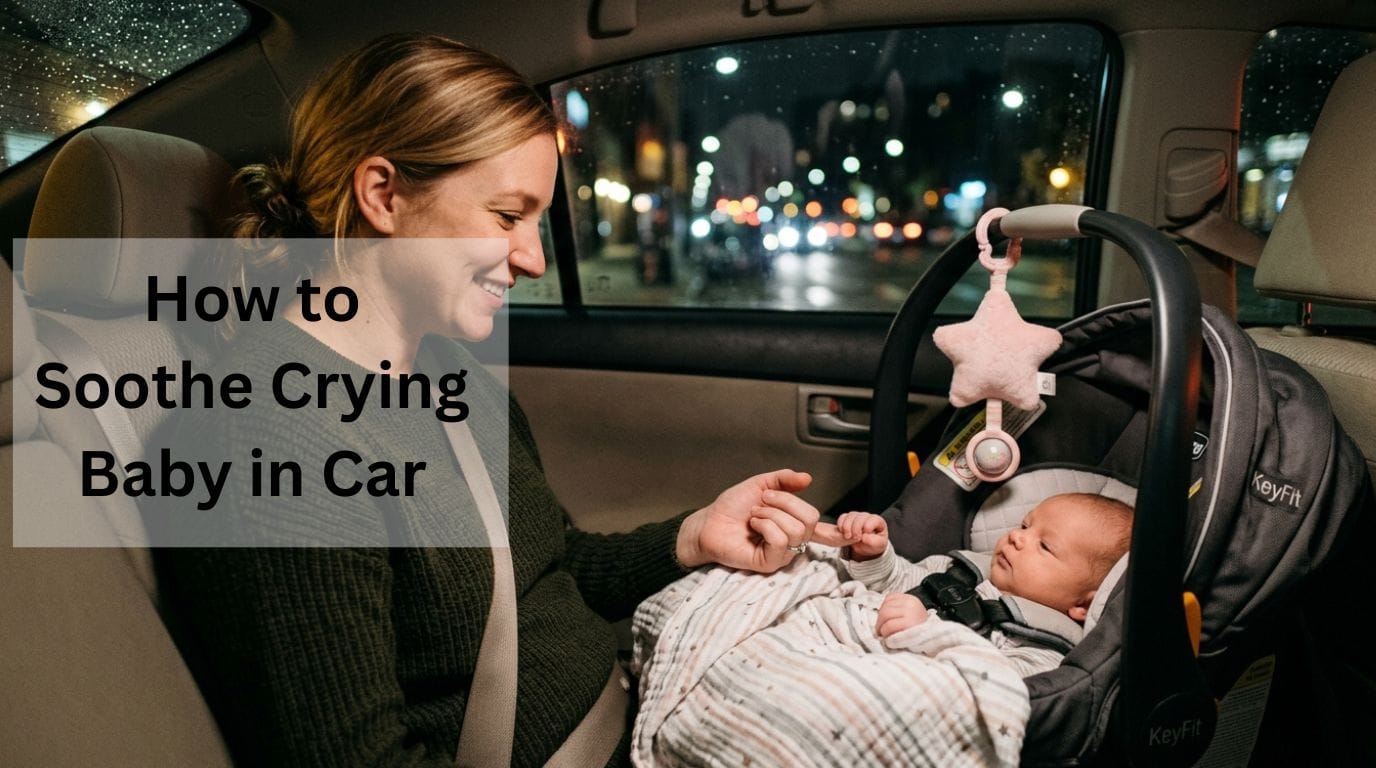
If you are a frustrated parent, you likely know the intense stress of figuring out how to soothe crying baby in car while keeping your eyes on the road. Hearing your little one wail from the backseat is heartbreaking, distracting, and completely overwhelming for any driver.
However, you are not alone in this struggle, and there are proven strategies to transform your chaotic commutes into peaceful journeys. In this comprehensive guide, we will walk you through actionable tips, preventative measures, and expert advice to keep your infant calm.
By the end of this article, you will have a complete toolkit to tackle those tears and enjoy family drives once again. Let us dive into the best methods to bring peace back to your vehicle.
Why Is It So Hard to Soothe Crying Baby in Car?
Before we look at solutions, it is crucial to understand exactly why your little one is upset in the first place. Babies cannot communicate with words, so crying is their only way to signal discomfort, fear, or frustration.
When strapped into a car seat, a baby is suddenly restricted from moving freely, which can feel incredibly unnatural to them. This restriction alone is often enough to trigger a meltdown, especially for active infants.
Furthermore, the environment inside a vehicle is full of overwhelming sensory inputs. Flashing lights from passing cars, strange engine noises, and changes in temperature can easily overstimulate a sensitive infant.
Separation Anxiety and Lack of Visibility
One of the biggest reasons infants cry in vehicles is because they simply cannot see you. Rear-facing car seats are non-negotiable for safety, but they create a physical and visual barrier between you and your child.
This sudden separation can trigger intense anxiety, making them feel abandoned even though you are just a few feet away. They do not yet understand object permanence, meaning if they cannot see you, they think you are gone.
Physical Discomfort and Motion Sickness
Car seats are designed to save lives, not necessarily to feel like a plush bed. The straps must be tight to be safe, but this pressure can cause chafing or general physical discomfort over time.
Additionally, believe it or not, infants can experience motion sickness just like adults do. The disconnect between what their inner ear feels (motion) and what their eyes see (the static back of the seat) can cause serious nausea.
Temperature Irregularities in the Backseat
The temperature in the backseat of a vehicle can be vastly different from the front seat. While you might be enjoying the cool blast of the air conditioner, the airflow might not be reaching your infant.
Conversely, direct sunlight beaming through the window can cause them to overheat rapidly. Being too hot or too cold is a guaranteed way to induce crying.
Preventative Steps: How to Soothe Crying Baby in Car Before You Leave
The best way to soothe crying baby in car is to prevent the tears before the engine even turns on. A little bit of preparation goes a incredibly long way in ensuring a peaceful trip.
By addressing their basic needs before strapping them in, you eliminate the most common triggers for fussiness. Here is a pre-trip checklist every parent should follow.
Timing the Trip with Their Schedule
Whenever possible, try to align your driving schedule with your child’s natural sleep routine. Leaving right at naptime can work wonders, as the hum of the engine might lull them straight to sleep.
On the other hand, avoid traveling when they are typically at their fussiest, such as during the “witching hour” in the late afternoon. A well-rested and recently fed infant is far less likely to have a meltdown.
Dress Them for Comfort, Not Just Style
Bulky clothing is not only a massive safety hazard in a car seat, but it is also highly uncomfortable for the child. Thick coats prevent the harness from resting properly and can cause rapid overheating.
Instead, dress your infant in light, breathable layers made of soft cotton. You can always place a warm blanket over their legs after they are securely buckled in if the car is chilly.
Check the Diaper and Tummy Status
Never start a car trip on an empty stomach or with a soiled diaper. These are the two easiest problems to solve, but the hardest to fix once you are already cruising down the highway.
Offer a full feeding about 20 to 30 minutes before you plan to leave. Follow this up with a fresh diaper change right before walking out the door.
Active Strategies: How to Soothe Crying Baby in Car While Driving
Even with the best preparation, unexpected meltdowns can and will happen. When the tears start flowing, you need immediate, safe tactics on how to soothe crying baby in car.
Always remember that your primary responsibility is safe driving. Never turn around, take your hands off the wheel, or compromise your attention to comfort your child.
Utilize the Magic of White Noise
The inside of the womb is incredibly loud, which is why absolute silence can actually be terrifying for a newborn. White noise mimics the rushing sounds they heard before they were born, providing instant comfort.
You can use your car’s Bluetooth system to play a white noise track, a steady static sound, or even a recording of a vacuum cleaner. Many parents swear by specific “womb sound” playlists available on streaming apps.
Have a Dedicated Car Toy Box
Distraction is a powerful tool when trying to stop a sudden crying fit. Keep a special box of soft, safe toys that are exclusively reserved for car rides.
Because they only see these toys in the vehicle, the novelty will capture their attention much faster. You can easily find high-quality, car-safe plushies and crinkle books on amazon to build your ultimate travel kit.
Sing or Talk in a Calming Voice
Your voice is the most familiar and comforting sound in your child’s world. Even if they cannot see you, hearing your calm, steady voice reassures them that they are safe.
Narrate your drive, sing their favorite nursery rhymes, or simply talk to them about your day. Avoid raising your voice to talk over their crying; instead, keep your tone soft and rhythmic.
Introduce a Pacifier or Teether
If your infant takes a pacifier, this is one of the most effective ways to soothe them. Sucking is a natural reflex that releases calming endorphins in their brain, lowering their heart rate and reducing stress.
For older babies who are teething, a chilled teething ring can provide immense relief. Just ensure the item is securely attached to their clothing with a short clip so it does not drop out of reach.
Safety First When Trying to Soothe Crying Baby in Car
It is vital to mention that you should never hand a crying child a snack or bottle while you are driving alone. Eating in a moving vehicle without direct supervision poses a severe choking hazard.
If they absolutely need to eat or drink, the only safe option is to pull over. No schedule is more important than your child’s physical safety.
Environmental Tweaks for a Peaceful Ride
Sometimes, the secret to how to soothe crying baby in car lies in tweaking the physical environment around them. Small adjustments to their immediate surroundings can make a world of difference.
Let us explore how you can optimize the backseat to create a cozy, relaxing sanctuary for your little passenger.
Install High-Quality Window Shades
The sun glaring directly into your infant’s sensitive eyes is a guaranteed recipe for screaming. Standard tinted windows are rarely enough to block out the harsh rays during early morning or late afternoon drives.
Invest in high-quality, mesh window shades that cling directly to the glass. These block the harsh light and heat while still allowing you to see out of your blind spots safely.
Use a Shatterproof Car Seat Mirror
A car seat mirror allows you to check on your rear-facing child with a quick glance in your rearview mirror. More importantly, it allows your child to see your reflection.
Making eye contact through the mirror can instantly alleviate their separation anxiety. Just ensure the mirror is shatterproof and securely strapped to the headrest so it does not become a projectile during a sudden stop.
Adjust the Cabin Temperature Intelligently
Before strapping your child in, start the car and let the climate control run for a few minutes. Aim for a comfortable room temperature, around 68 to 72 degrees Fahrenheit.
Remember that rear-facing seats naturally block airflow from the front vents. You may need to direct your AC vents specifically toward the ceiling so the air bounces into the back without blowing directly in their face.
Dealing with Long Road Trips
Figuring out how to soothe crying baby in car during a quick grocery run is one thing; surviving a six-hour road trip is a completely different challenge. Long journeys require a distinct set of strategies.
Patience and extreme flexibility are your best friends here. You cannot expect an infant to tolerate a cross-country drive the same way an adult would.
Plan for Frequent, Extended Stops
When mapping out your route, plan to stop completely every two to three hours. Infants need time out of their car seats to stretch their developing spines and burn off pent-up energy.
Use these breaks to change diapers, offer proper feedings, and let them wiggle on a blanket. A twenty-minute break can buy you another two hours of peaceful driving.
Sit in the Backseat (If You Have a Passenger)
If you are traveling with a partner or older child, have them sit in the back next to the infant. Having a companion right next to them changes the entire dynamic of the trip.
The backseat passenger can offer continuous entertainment, replace dropped pacifiers, and provide comforting physical touch. This is arguably the most effective way to prevent crying on long journeys.
Rotate Their Entertainment
Do not give your child all their toys at once at the beginning of the trip. They will quickly become bored with the entire selection and start to fuss.
Instead, introduce one new toy or distraction every half hour or whenever they start to show signs of restlessness. Rotating their entertainment keeps their brain engaged and distracted from the long ride.
What NOT to Do: Common Mistakes to Avoid
In the heat of the moment, the desperate need to soothe a wailing child can lead to poor decisions. It is essential to know what practices are dangerous or counterproductive.
Avoiding these common pitfalls will keep your family safe and prevent you from accidentally making the crying worse.
Never Loosen the Car Seat Straps
It can be tempting to loosen the harness slightly if you think your child is uncomfortable. Never do this under any circumstances.
A loose harness completely compromises the safety of the car seat in the event of an accident. The straps must always pass the “pinch test” at the collarbone to be considered secure.
Avoid Distracted Driving at All Costs
Turning around to hand your child a toy, pick up a dropped pacifier, or pat their head is incredibly dangerous. Taking your eyes off the road for even two seconds doubles your risk of a crash.
If the crying becomes so intense that it is affecting your ability to focus, you must find a safe place to pull over. A screaming baby is stressful, but an auto accident is a tragedy.
Do Not Ignore Your Own Stress Levels
Listening to a baby cry in a confined space triggers a physiological “fight or flight” response in adults. Your heart rate increases, and you may feel a wave of panic or anger.
If you feel yourself losing your temper, take deep breaths, roll down the window for fresh air, or turn up your own music to drown out the noise temporarily. You must remain calm to drive safely.
Essential Gear Checklist for Car Ride Success
Having the right tools at your disposal makes a significant difference. Here is a quick summary checklist of items that can help you master how to soothe crying baby in car.
-
Shatterproof Backseat Mirror: For visual connection and safety checks.
-
Mesh Window Shades: To block glaring sunlight and UV rays.
-
Portable White Noise Machine: To drown out scary road noises.
-
Soft, Car-Safe Toys: Kept exclusively in the vehicle for maximum novelty.
-
Pacifier Clips: To prevent their primary comfort item from falling on the dirty floorboard.
-
Lightweight Muslin Blankets: For safe, adjustable temperature control over the harness.
Conclusion
Learning how to soothe crying baby in car is a process of trial, error, and immense patience. Every child is unique, meaning a trick that works like magic for one infant might not work for another. By understanding the root causes of their distress—whether it is motion sickness, uncomfortable clothing, or separation anxiety—you can take proactive steps to ensure a smoother ride.
Always prioritize safety over silence; never compromise car seat guidelines or your driving focus to stop the tears. Armed with white noise, safe toys, a comfortable environment, and a calm mindset, you are fully equipped to handle whatever the road throws your way.
Call to Action: Are you ready to upgrade your next family road trip? Take a moment today to evaluate your vehicle’s backseat setup, order those essential window shades, and curate a special car-only toy box. Share this article with fellow parents who might be struggling, and let’s make stressful car rides a thing of the past!