
Why Baby Waking at 5am ? How to Fix It?
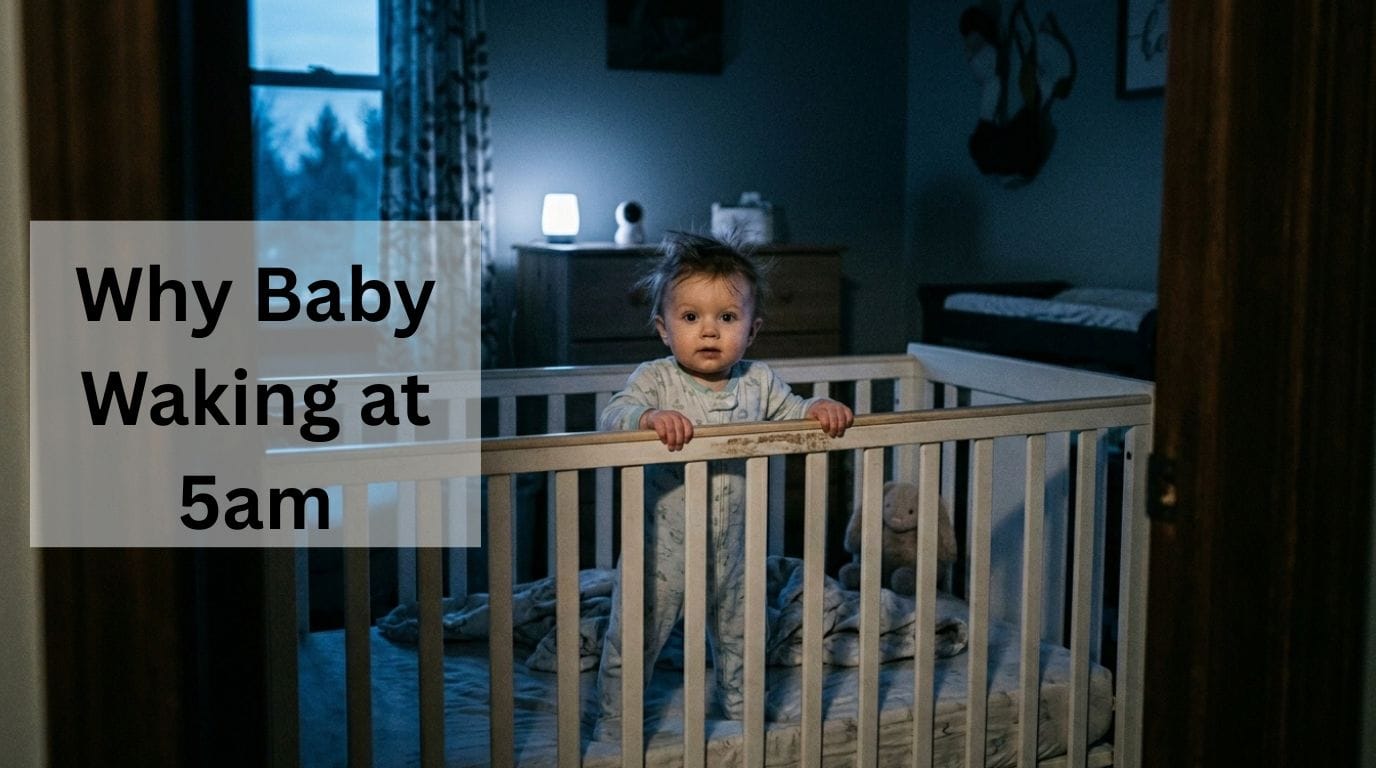
If you are a sleep-deprived parent staring at the clock, you are probably desperately wondering why baby waking at 5am has become your new normal. It is incredibly frustrating when your little one decides to start the day before the sun even comes up.
You are certainly not alone in this exhausting struggle. Early morning wakings are one of the most common sleep issues parents face worldwide.
The good news is that this phase does not have to last forever. By understanding the root causes, you can gently guide your little one toward a more reasonable wake-up time.
In this comprehensive guide, we will explore the science of infant sleep and uncover the exact reasons behind these early wake-ups. We will also provide actionable, step-by-step strategies to help your whole family get more rest.
Grab your coffee, take a deep breath, and let’s dive into solving this early morning mystery.
Understanding the Science of Early Morning Sleep
Before we fix the problem, we need to understand how infant sleep works. Sleep is not a flat, continuous state; it occurs in cycles of light and deep rest.
In the early morning hours, usually between 4:00 AM and 6:00 AM, sleep is naturally at its lightest. This is biological and happens to adults as well.
During this time, a hormone called melatonin (which makes us sleepy) begins to drop. Simultaneously, cortisol (an alerting hormone) starts to rise to prepare the body for the day.
Because sleep pressure is very low at 5:00 AM, any slight disruption can cause your little one to wake up completely. They simply lack the strong biological drive to fall back asleep.
This makes the early morning hours the most delicate and difficult part of the sleep cycle to manage. A minor issue that would not bother them at midnight can easily ruin their sleep at 5:00 AM.
Common Reasons Why Baby Waking at 5am
Figuring out the exact cause of an early wake-up is like solving a puzzle. There are several common culprits that might be disrupting your child’s morning rest.
Let’s break down the most frequent reasons why your little one is starting the day entirely too early.
1. The Overtiredness Trap
It might sound backward, but keeping your child up later will not make them sleep in. In fact, an overtired child is much more likely to wake up early.
When infants are overtired, their bodies produce extra cortisol and adrenaline to keep them awake. These stress hormones make it harder to fall asleep and stay asleep.
If bedtime is too late, or if daytime naps were poor, this hormonal imbalance peaks in the early morning. This is a primary reason why baby waking at 5am is so common.
2. The Bedtime is Actually Too Late
Many parents logically think that pushing bedtime back will result in a later morning. Unfortunately, infant biology strongly disagrees with this logic.
A late bedtime often leads to disrupted sleep cycles. For most infants and toddlers, the ideal bedtime falls between 7:00 PM and 8:00 PM.
Moving bedtime earlier by just 30 minutes can sometimes miraculously fix an early morning waking issue.
3. Too Much Daytime Sleep
While overtiredness is a massive problem, undertiredness can be equally disruptive. If your child sleeps too much during the day, they simply won’t need as much sleep at night.
Every child has a maximum amount of sleep they can achieve in a 24-hour period. If they use up all those hours during daytime naps, their night sleep will naturally shorten.
Check age-appropriate sleep charts to ensure daytime naps are not robbing your nights.
4. Environmental Disruptions
At 5:00 AM, when sleep is incredibly light, the environment plays a huge role. Even the tiniest change can cause a full wake-up.
Is the sun starting to peek through the blinds? Sunlight sends an immediate signal to the brain that it is time to wake up and start the day.
Are the birds chirping loudly, or is the garbage truck driving by? Noise is a massive culprit for early risers. You can easily fix this by getting a good white noise machine or blackout curtains on amazon to create a perfect sleep cave.
Temperature drops in the early morning can also cause them to wake up feeling chilly.
5. Hunger and Feeding Habits
For younger infants, genuine hunger is a very real reason for waking up at 5:00 AM. Their tiny tummies process milk quickly.
However, for older infants and toddlers, it might be a learned habit rather than actual hunger. If they always get a warm bottle at 5:00 AM, their body will naturally wake up expecting it.
6. The First Nap is Too Early
How you handle the morning routine drastically affects the next day’s wake-up time. If your child wakes at 5:00 AM and you offer a nap at 7:00 AM, you are accidentally reinforcing the early wake-up.
The brain treats this early nap as an extension of night sleep. It tells the body, “It is okay to wake up at 5:00 AM because we get to sleep again very soon.”
7. Developmental Milestones
Sometimes, sleep disruptions have nothing to do with schedules and everything to do with brain development. Learning to crawl, walk, or talk is incredibly exciting for an infant.
Their brains are working in overdrive, practicing these new skills even during light sleep. This excitement can easily cause them to wake up early and want to play.
Step-by-Step Solutions: How to Fix the 5 AM Wake-Up
Now that we understand the potential causes, it is time to take action. Fixing an early waking habit requires patience and absolute consistency.
Here is a comprehensive strategy to help shift your child’s internal clock toward a later morning wake time.
Treat Any Wake-Up Before 6:00 AM as Nighttime
This is the most crucial step in the entire process. If you want your child to sleep until 6:30 AM, you must behave as if it is the middle of the night until then.
Do not turn on the lights, do not start playing, and do not bring them into the living room. Keep the room pitch black and the interaction completely minimal.
If you rush in with smiles and breakfast at 5:15 AM, you are rewarding the early wake-up.
Optimize the Sleep Environment
Make sure the bedroom is completely optimized for deep rest. Blackout curtains are an absolute necessity, not a luxury.
Tape the edges of the windows if you have to; absolutely zero light should enter the room.
Ensure the white noise machine is running continuously all night long. It should be loud enough to drown out morning traffic and early birds.
Check the room temperature. It should ideally be between 68°F and 72°F to prevent early morning chills.
Adjust the Bedtime Routine
Take a close look at your child’s wake windows before bed. Are they staying awake too long, causing overtiredness?
Try shifting bedtime earlier by 15 to 20 minutes for a few days to see if it makes a difference. A slightly earlier bedtime often results in a later wake-up.
Ensure the bedtime routine is calming and consistent, signaling to the brain that deep sleep is coming.
Delay the Morning Feed
If your child is over six months old and growing well, try to separate the early morning wake-up from the morning feed.
If they wake at 5:00 AM, hold off on giving them milk or breakfast until your desired wake time, like 6:30 AM.
This helps reset their digestive clock. Their body will slowly realize there is no food reward for waking up before the sun.
Push Back the First Nap
This step is incredibly difficult but highly effective. You must slowly stretch the morning wake window based on your desired wake time, not the actual wake time.
If your goal is a 6:30 AM wake-up, and the first nap should be 3 hours later, the nap must start at 9:30 AM.
If they wake up at 5:00 AM, keeping them awake until 9:30 AM will be tough. Push the nap back by 15 minutes every few days until you reach the target time.

Age-by-Age Guide to Managing Early Wakes
Every phase of childhood brings different sleep challenges. What works for a newborn will not necessarily work for a toddler.
Understanding age-appropriate expectations is vital for your sanity and success.
Newborns (0-3 Months)
In the newborn phase, early wakings are entirely normal and driven by hunger. Their circadian rhythms are not yet established.
At this age, you cannot force a strict schedule. If they wake at 5:00 AM, feed them in a dark, quiet room and put them right back to sleep.
Do not expect them to sleep 12 hours straight; focus on keeping the environment calm to encourage going back to sleep.
Infants (4-11 Months)
This is the age where schedules begin to matter significantly. A four-month-old is going through massive sleep architecture changes.
Dropping naps is a common issue here. When a baby transitions from three naps to two around 7-8 months, early wakings frequently spike.
Pay close attention to wake windows and ensure they are not becoming overtired during these nap transitions.
Toddlers (1-3 Years)
Toddlers are famous for testing boundaries, and sleep is no exception. They might wake up early simply because they want to play with their toys.
For toddlers, dropping from two naps to one nap (usually around 14-18 months) is a huge trigger for 5:00 AM wake-ups.
Introducing a “Toddler Wake Clock” can be magical. These clocks glow red for sleep and turn green when it is time to wake up, giving them a visual boundary.
What NOT to Do When Facing 5 AM Wakings
When you are desperately tired, it is easy to fall into bad habits. However, certain reactions will actually make the problem much worse.
Here are the biggest mistakes to avoid when trying to fix early morning wakings.
Avoid Bringing Them to Your Bed Immediately
It is incredibly tempting to pull your crying child into your bed at 5:30 AM just to get 30 more minutes of shut-eye.
While this might work today, you are creating a new, powerful habit. Soon, they will wake up at 5:00 AM specifically because they want to sleep in your bed.
Do Not Start the Day with Screens
Turning on the TV or handing over a tablet to keep them quiet is a massive trap. The blue light from screens completely shuts down any remaining melatonin production.
Furthermore, cartoons are highly stimulating and rewarding. They will gladly wake up early every day if it means uninterrupted screen time.
Avoid Major Schedule Overhauls Overnight
Do not completely flip your child’s schedule in a single day. Making drastic changes to naps and bedtime all at once will result in a cranky, overtired mess.
Make small, 15-minute adjustments over several days. Slow and steady consistency is the only way to reset an internal clock successfully.
The “Wake to Sleep” Method: An Advanced Strategy
If you have tried adjusting schedules, blocking light, and managing naps, but your child is still stuck at 5:00 AM, you might want to try an advanced technique.
The “Wake to Sleep” method is designed to break a habitual waking cycle by slightly disrupting their sleep before they naturally wake up.
Here is how to execute it safely.
Set your own alarm for 4:00 AM (or about an hour before their usual early waking time). Sneak into their room quietly.
Gently rouse them—just enough so they shift, sigh, or flutter their eyes. Do not wake them up completely!
By making them slightly rouse, you are forcing their brain to start a brand new sleep cycle. This new cycle will naturally carry them past the dreaded 5:00 AM mark.
This method requires practice and feels terrifying, but it can successfully break the habit within three to five days.
Managing Your Own Sleep Deprivation
While you are working on your child’s sleep, do not forget about your own health. Dealing with 5:00 AM wake-ups can severely impact your mood, work, and relationships.
It is absolutely crucial to prioritize your own rest during this transitional training phase.
Go to Bed Earlier Yourself
Revenge bedtime procrastination is real. After a long day of parenting, you want quiet time at night to watch TV or scroll on your phone.
However, if you know a 5:00 AM wake-up is likely, staying up until midnight is a form of self-sabotage. Force yourself to go to sleep by 9:30 PM to ensure you get adequate rest.
Share the Morning Shift
If you have a partner, you must communicate and share the burden. Take turns handling the early morning shift.
One parent gets to wear earplugs and sleep until 7:00 AM on Saturday, and the other parent gets to sleep in on Sunday. Teamwork is essential here.
Lower Your Daytime Expectations
When you are surviving on broken sleep, you cannot perform at 100%. Give yourself some grace during the day.
Let the laundry sit in the basket for another day. Order takeout instead of cooking a complicated dinner. Preserve your energy for patience and parenting.
Frequently Asked Questions (FAQs)
Parents naturally have a lot of specific questions when dealing with early morning sleep issues. Let’s address some of the most common concerns.
How long does it take to fix an early waking habit?
Patience is absolutely required. Fixing a 5:00 AM waking habit is one of the hardest sleep issues to correct.
Because it involves resetting the biological circadian rhythm, it rarely happens overnight. With absolute consistency, it typically takes anywhere from one to three weeks to see a permanent shift.
Should I let my child cry it out at 5:00 AM?
This depends entirely on your parenting philosophy and the child’s age. If your baby is safe, fed, and dry, leaving them to fuss for 10-15 minutes can sometimes give them the space to fall back asleep.
However, because sleep pressure is so low at this hour, intense crying will likely wake them up fully. Gentle soothing methods often work better in the early morning.
Is 5:30 AM considered a normal wake time?
Biologically speaking, anything past 6:00 AM is considered a completely normal and acceptable wake time for infants and toddlers.
While 5:30 AM feels brutally early to adults, some children are simply natural early birds. If they are sleeping 11 hours straight at night and waking at 5:30 AM happy and refreshed, that might just be their natural clock.
Will starting solid foods help them sleep later?
This is a very common myth. There is no scientific evidence to prove that starting solid foods helps infants sleep longer or later into the morning.
In fact, introducing solids too early or giving a heavy meal right before bed can cause digestive discomfort, leading to worse sleep.
Conclusion
Understanding exactly why baby waking at 5am happens is the very first step to reclaiming your mornings. It is rarely just one issue, but rather a combination of schedules, environment, and developmental leaps.
Remember that infant sleep is not linear. Just when you think you have everything figured out, a sickness, a new tooth, or a leap in development can throw things off track again.
The key to success is unwavering consistency. Keep the room dark, treat early wake-ups like the middle of the night, and carefully monitor daytime naps to prevent overtiredness.
You are doing an amazing job, even when you feel exhausted. Stay patient, stick to your routine, and soon enough, those brutal 5:00 AM wake-ups will be a thing of the past.
