The Ultimate Baby Sleeping Bag TOG Guide: Keep Your Little One Cozy, Safe, and Smiling
Welcome to the ultimate baby sleeping bag tog guide! If you are a new parent desperately trying to figure out how to dress your little one for bedtime, you are in exactly the right place.
Grab a cup of coffee, take a deep breath, and let’s figure this out together. Parenting is tough enough without having to guess if your baby is too hot or too cold at night!
We have all been there. You put your baby down to sleep, and suddenly you are wide awake wondering if that onesie is too thin. Or maybe you are worrying that the fleece pajamas are going to make them sweat.
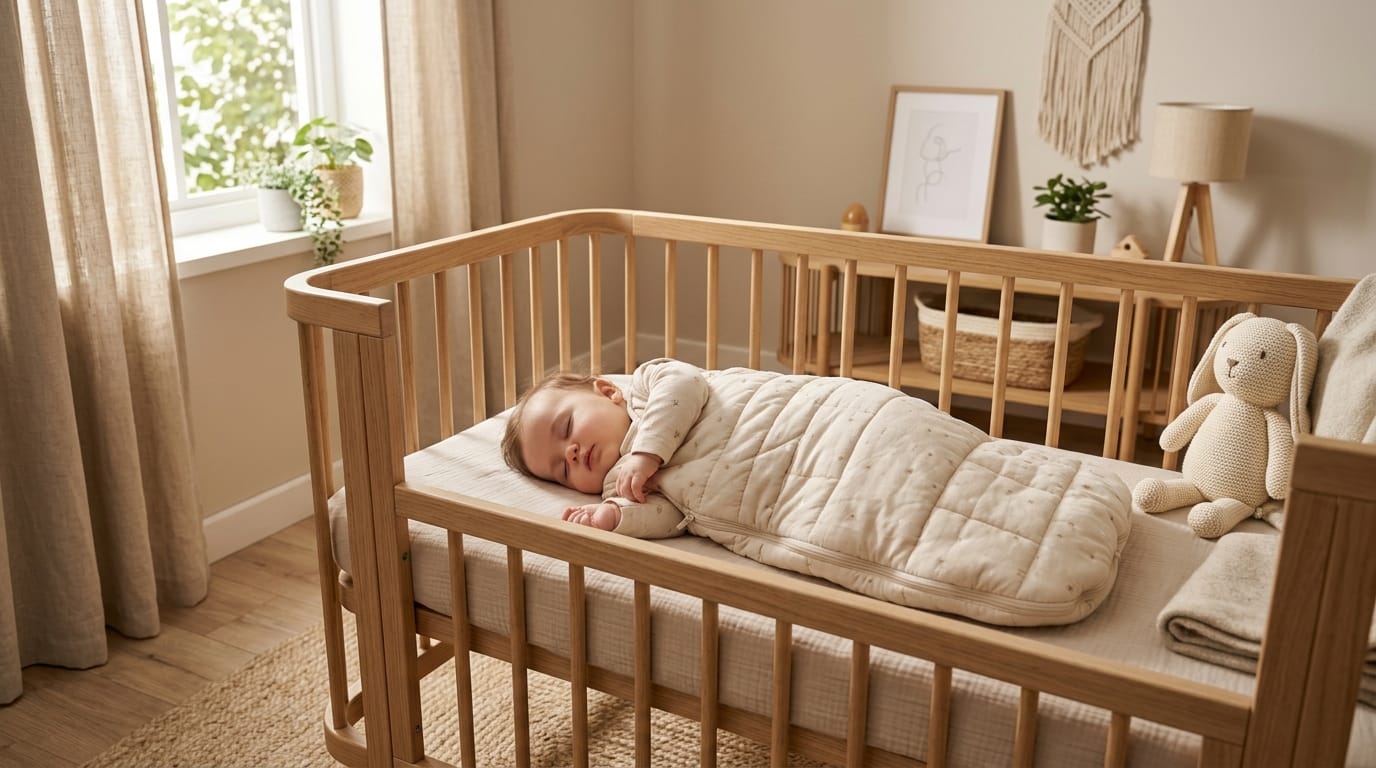
This is exactly why baby sleeping bags were invented. They are essentially wearable blankets that stay on all night long, keeping your baby safe and comfortable while giving you peace of mind.
But then comes the confusing part: what on earth is a TOG rating? Do not worry at all. We are going to break it down into simple, bite-sized pieces so you can become a baby sleep expert in no time.
What Exactly Does TOG Mean?
Before we dive deep, let’s understand what this funny little word actually means. TOG stands for “Thermal Overall Grade.”
In simple, everyday terms, it is just a way of measuring how warm a piece of clothing or bedding is. The higher the TOG rating, the warmer and thicker the sleeping bag will be.
Think of it like choosing your own bedding. You wouldn’t use a heavy winter duvet in the middle of a scorching summer, right?
The same logic applies to your baby’s sleepwear. A lower TOG is like a light summer sheet, while a higher TOG is like your favorite, thick winter comforter.
Understanding this measurement is the secret to unlocking better sleep for your baby. When babies are at the perfect temperature, they wake up less often, which means you get to sleep more, too!
Understanding Our Baby Sleeping Bag TOG Guide
To make your life as easy as possible, let’s look at the standard ratings you will find in stores. Using a baby sleeping bag tog guide is the best way to match the bag to your nursery’s room temperature.
Here is a quick look at the most common TOG ratings:
-
0.2 to 0.5 TOG: Ultra-light and breezy, made for hot summer nights and heatwaves.
-
1.0 TOG: The perfect middle ground for spring, autumn, or daytime naps.
-
2.5 TOG: The most popular choice for year-round use and standard room temperatures.
-
3.5 TOG: The heavy-duty option for freezing winter nights and very cold rooms.
The trick is that you do not choose the sleeping bag based on the weather outside. You choose it based on the exact temperature of the room where your baby is sleeping.
Nursery temperatures can vary wildly from the rest of the house. That is why having a reliable room thermometer is just as important as the sleeping bag itself.
The Seasonal Baby Sleeping Bag TOG Guide Breakdown
Let’s get into the details of exactly when to use each rating. This section of our baby sleeping bag tog guide will act as your cheat sheet for every season of the year.
Summer Heat (0.2 to 0.5 TOG)
When the room temperature climbs above 24°C (75°F), you need to keep things extremely light. Babies cannot regulate their body temperature as well as adults can.
Overheating is a real risk, so a 0.2 or 0.5 TOG bag is your best friend. These are usually made from thin, breathable muslin or single-layer cotton.
They provide the comforting feeling of being covered without trapping any excess heat. If the room is sweltering, your baby might only need a diaper underneath this ultra-light bag.
Spring and Autumn (1.0 TOG)
When the room sits comfortably between 20°C and 24°C (68°F – 75°F), a 1.0 TOG is ideal. This is the transitional period of the year.
The weather might be unpredictable, but your nursery temperature usually stays in this mild range. A 1.0 TOG bag is slightly lightly padded or made of double-layered cotton.
It is brilliant for daytime naps when the sun is out, or for those early autumn evenings before you turn the central heating on.
The Year-Round Standard (2.5 TOG)
If you only want to buy one sleeping bag right now, make it a 2.5 TOG. This is the gold standard for rooms between 16°C and 20°C (61°F – 68°F).
Most health professionals recommend keeping a baby’s room around 18°C (64°F) for safe sleep. If your home stays in this range, you will use a 2.5 TOG for most of the year.
These bags feel like a cozy, standard quilt. They offer wonderful warmth and security, helping your little one drift off into a deep, restful slumber.
Deep Winter Chill (3.5 TOG)
Sometimes the temperature drops drastically, and the nursery falls below 16°C (61°F). This is when you bring out the heavy artillery: the 3.5 TOG sleeping bag.
These are plush, thick, and incredibly warm. They are perfect for older homes that get drafty or for families living in naturally colder climates.
However, be careful! Only use a 3.5 TOG when the room is genuinely cold, otherwise, your baby could easily overheat during the night.
What Should My Baby Wear Underneath?
This is the million-dollar question! A sleeping bag is only half of the equation; what goes underneath matters just as much.
You can adjust your baby’s temperature perfectly by layering their clothes under the bag. Here is a friendly breakdown based on room temperature:
Above 24°C (75°F):
-
Use a 0.2 or 0.5 TOG bag.
-
Underneath: Just a short-sleeved bodysuit, or even just a diaper if it is very hot.
22°C to 24°C (71°F – 75°F):
-
Use a 1.0 TOG bag.
-
Underneath: A short-sleeved bodysuit or a light, long-sleeved onesie.
18°C to 20°C (64°F – 68°F):
-
Use a 2.5 TOG bag.
-
Underneath: A long-sleeved bodysuit or full pajama set.
16°C to 18°C (61°F – 64°F):
-
Use a 2.5 TOG bag.
-
Underneath: A long-sleeved bodysuit PLUS a full pajama sleepsuit.
Below 16°C (61°F):
-
Use a 3.5 TOG bag.
-
Underneath: A long-sleeved bodysuit and a thick sleepsuit or pajamas.
Remember, every baby is completely unique. Some babies run naturally hot, while others get chilly very easily. Use these suggestions as a starting point and adjust based on your little one.
Why Sleeping Bags Are Better Than Traditional Blankets
If you are wondering why we are so obsessed with this baby sleeping bag tog guide, it is because sleeping bags have revolutionized infant sleep.
Before these existed, parents had to use loose cellular blankets. The problem with loose blankets is that babies are incredibly wiggly!
They kick their legs, throw their arms, and within ten minutes, the blanket is at the bottom of the crib. Your baby wakes up freezing, and you have to get out of bed to tuck them back in.
Even worse, loose blankets pose a safety hazard. If a blanket rides up over a baby’s face, it can restrict their breathing.
A fitted sleeping bag eliminates all of these problems instantly.
-
Safety first: They have fitted neck and armholes, meaning the baby cannot slip down inside.
-
Constant warmth: No matter how much they roll around, the cover stays perfectly in place.
-
Sleep cues: Zipping your baby into their bag becomes a strong signal that it is time for bed.
-
Safer crib: It keeps the crib completely free of loose fabrics, aligning with safe sleep guidelines.
How to Tell if Your Baby is Too Hot or Too Cold
Even with the best preparation, you might still worry. How do you actually know if you have chosen the right combination of clothes?
The absolute best way to check your baby’s temperature is the “neck test.” It is simple, fast, and highly accurate.
Just slip two fingers down the back of your baby’s neck or feel their chest. Their skin should feel warm and dry to the touch.
If their skin feels sweaty, clammy, or hot, they are overdressed. Remove a layer of clothing immediately, or unzip the sleeping bag to let some heat out.
If their chest or neck feels cool, they need an extra layer. Do not rely on their hands or feet to judge their temperature!
It is completely normal for a baby’s hands and feet to feel cold. Their circulatory system is still developing, so feeling cold fingers doesn’t mean the baby is actually cold.
Why You Need a Reliable Baby Sleeping Bag TOG Guide for Safety
Safety is always the number one priority when it comes to our children. Overheating is a known risk factor for SIDS (Sudden Infant Death Syndrome).
This is why guessing the room temperature or layering heavy blankets is a dangerous game. A baby sleeping bag tog guide takes the guesswork out of the equation.
By using the correct TOG rating, you are ensuring a safe, regulated sleeping environment. Here are a few extra safety tips to keep in mind:
-
Never use a sleeping bag with a hood for overnight sleep.
-
Ensure the neck hole is the right size; your baby’s head should not be able to pass through it when fastened.
-
Do not use extra loose blankets on top of a sleeping bag.
-
Keep the crib away from direct heat sources like radiators or sunny windows.
Tips for Buying the Perfect Sleeping Bag
Now that you are a TOG expert, how do you choose the right bag at the store? There are a few things you should look out for.
First, pay attention to the fabric. Natural fibers like 100% organic cotton, bamboo, or merino wool are always the best choices.
These materials are highly breathable, meaning they allow air to circulate and moisture to evaporate. Synthetic fabrics like polyester can trap sweat and make your baby uncomfortable.
Next, look at the zipper placement. Front zippers are great, but a zipper that runs along the side and bottom is a lifesaver for middle-of-the-night diaper changes.
You can easily unzip the bottom, change the diaper, and zip it back up without ever taking the baby out of the warm bag!
Finally, always buy the correct size. Do not buy a huge sleeping bag hoping your baby will “grow into it.” A bag that is too big is a safety hazard because the neck opening will be too loose.
Washing and Maintaining Your Sleeping Bags
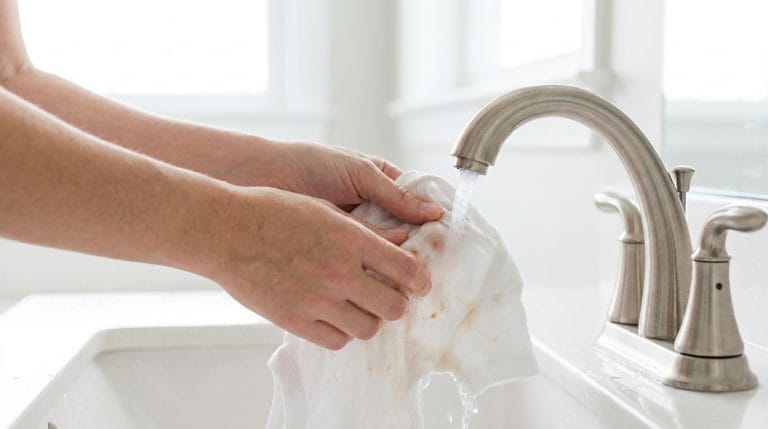
Babies are messy. From diaper blowouts to spit-up, these sleeping bags are going to see a lot of action in the washing machine.
Taking care of them properly ensures the TOG rating remains accurate. Always read the care label inside the garment before tossing it in the wash.
Generally, you should wash them on a gentle cycle at 30°C or 40°C (86°F – 104°F) using a mild, baby-friendly detergent.
Avoid using heavy fabric softeners, as they can coat the fibers and reduce the breathability of the material.
When it comes to drying, air drying is always the safest bet. Hanging them outside in the fresh air is wonderful, but tumble drying on a low heat setting is usually okay for cotton bags.
High heat can shrink the bag and alter the internal padding, which messes up the carefully calculated TOG rating.
Transitioning Between Seasons
One of the trickiest parts of parenting is dealing with changing seasons. Spring and autumn can be incredibly unpredictable.
One night it might be freezing, and the next night it feels perfectly mild. During these transition months, it is smart to keep two different TOG bags handy.
Keep a 1.0 TOG and a 2.5 TOG washed and ready in the nursery. Check your room thermometer right before bedtime and choose accordingly.
If you are unsure, it is always safer to dress your baby slightly cooler rather than too warm. A slightly chilly baby will wake up and cry to let you know they need you.
An overheated baby, however, can fall into a dangerously deep sleep. Always lean toward the cooler option and add a layer underneath if necessary.
Navigating Naps vs. Nighttime Sleep
Does your baby need a different TOG for daytime naps? The short answer is: it depends entirely on the room temperature.
Daytime rooms are often naturally warmer because of sunlight and general household activity. You might find that a 1.0 TOG is perfect for a 2:00 PM nap, even in winter.
However, when night falls and the temperature drops, you will need to switch back to the heavier 2.5 TOG bag.
Consistency is key. Putting them in their sleeping bag for naps creates a wonderful sleep association. They learn that “zipping up means sleep time,” whether it is noon or midnight.
Dealing with Sleep Regressions and Comfort
Sometimes, even when you have followed the baby sleeping bag tog guide perfectly, your little one still wakes up crying.
Do not panic, and do not immediately blame the temperature! Babies go through developmental leaps, teething, and sleep regressions.
If they wake up, do the quick neck check. If their temperature is fine, offer them comfort, a gentle rock, or a feed.
The peace of mind that comes from knowing they are dressed safely allows you to focus on comforting them without second-guessing your choices.
You are doing a fantastic job. Sleep deprivation makes everything feel harder, but having the right knowledge truly makes a difference.
Conclusion: Ready for a Good Night’s Sleep?
There you have it, my friend! You are now officially equipped with everything you need to conquer bedtime.
By understanding how room temperature, TOG ratings, and clothing layers work together, you have set your baby up for the safest and coziest sleep possible. No more late-night panic sessions wondering if they are freezing or sweating!
Trust your instincts, keep an eye on that room thermometer, and remember that every baby is different. You will find the perfect combination that works for your little one in no time.