What Baby Lotion to Use on a Newborn for Soft, Safe Skin
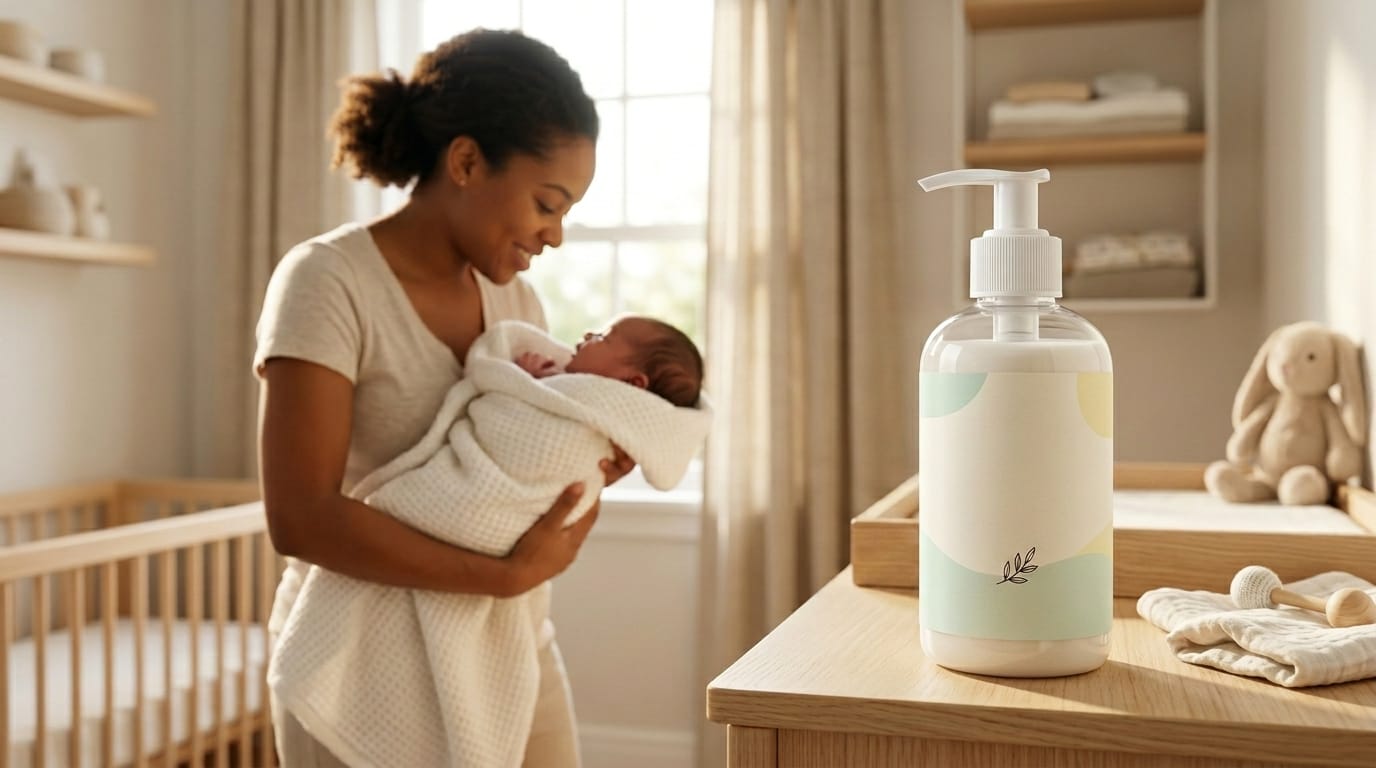
Hello there, amazing parent! If you are standing in the baby care aisle wondering exactly what baby lotion to use on a newborn, you are definitely not alone. It is one of the most common questions new parents have when trying to protect their baby’s delicate skin.
Bringing a new life into the world is an incredible journey filled with joy, cuddles, and a whole lot of questions. You want the absolute best for your little one, right down to the very last drop of moisturizer.
With so many colorful bottles, confusing labels, and endless brands on the market, choosing the right skincare product can feel like solving a puzzle. But do not worry, my friend. I am here to break it all down for you.
Grab a cup of coffee (or tea!), sit back, and let’s dive into everything you need to know about newborn skin, ingredients to look for, and how to make the best choice for your baby.
The Secret Behind Newborn Skin
Before we can answer what lotion is best, we first need to understand why newborn skin is so unique. When your baby is born, their skin is incredibly different from ours.
An infant’s skin is actually up to 30% thinner than adult skin. This means it loses moisture much faster and is far more prone to dryness and irritation.
Because their skin barrier is still developing, it is highly permeable. Whatever you put on your baby’s skin can easily be absorbed into their tiny bloodstream.
This is exactly why you cannot just use any regular lotion off the shelf. You need something specially formulated, gentle, and rigorously tested for absolute safety.
The Magic of the Vernix
Did your baby come out covered in a white, waxy substance? That is called the vernix caseosa. It is nature’s ultimate moisturizer and protector.
The vernix acts as a shield during pregnancy and helps regulate their temperature and skin moisture after birth. Most pediatricians now recommend delaying the first bath to let the skin absorb this natural goodness.
Once the vernix washes or wears off, you might notice your baby’s skin peeling. This is a completely normal shedding process as they adjust to life outside the watery womb!
Do Newborns Actually Need Lotion Right Away?
This is a great question. Believe it or not, in the first few weeks of life, less is almost always more.
Many pediatricians suggest holding off on heavy lotions during the first two to four weeks. During this time, your baby’s skin is shedding its top layer and learning to regulate its own moisture.
However, if you notice deep cracking, extreme dryness, or if your pediatrician recommends it, a gentle moisturizer becomes necessary. This is when knowing what baby lotion to use on a newborn becomes crucial for your daily routine.
Once your baby is a month old and you start a regular bathing routine, moisturizing becomes a vital step. Water, especially warm bath water, can strip natural oils from your baby’s skin, making a post-bath lotion essential.
Figuring Out What Baby Lotion to Use on a Newborn
When the time comes to buy a moisturizer, the sheer number of options can make your head spin. Here is how you can confidently navigate the skincare aisle like a pro.
The golden rule for newborn skincare is to keep it pure, simple, and fragrance-free. You want to look for products that nourish the skin barrier without causing any unnecessary stress to their immune system.
Creams vs. Lotions vs. Ointments
Not all moisturizers are created equal. Let’s look at the differences so you know exactly what to grab:
-
Lotions: These are water-based and lightweight. They are great for everyday use in warmer climates but might not be thick enough for severe dryness.
-
Creams: Thicker than lotions, creams have a higher oil content. They provide an excellent barrier and are perfect for locking in moisture after a bath.
-
Ointments: Think petroleum jelly or healing balms. These contain the most oil and are best for sealing out wetness (like preventing diaper rash) or treating extreme dry patches.
For a newborn’s delicate daily routine, a thick, fragrance-free baby cream is usually your best bet for full-body moisture.
The “Green Light” Ingredients: What to Look For
When you flip that bottle over to read the label, you want to see a short list of recognizable, safe ingredients. Here are the superstars of newborn skincare:
Ceramides
Ceramides are natural lipids (fats) found in the skin. They are essential for holding skin cells together and forming a protective barrier. Lotions containing ceramides help rebuild your baby’s delicate skin barrier, locking moisture in and keeping irritants out.
Colloidal Oatmeal
If your baby has sensitive or eczema-prone skin, colloidal oatmeal is a miracle worker. It is simply oats ground into an ultra-fine powder. It soothes inflammation, relieves itching, and binds to the skin to form a protective layer.
Natural Oils and Butters
Look for plant-based hydration. Some of the safest and most effective natural moisturizers include:
-
Shea Butter: Highly moisturizing and rich in vitamins A and E.
-
Sunflower Seed Oil: Packed with linoleic acid to support the skin barrier.
-
Jojoba Oil: Closely mimics the skin’s natural sebum, making it incredibly gentle.
Calendula and Aloe Vera
These plant extracts are famous for their calming properties. If your baby’s skin is looking slightly red or irritated, a lotion infused with organic calendula can provide gentle, natural relief.
The “Red Light” Ingredients: What to Strictly Avoid
Just as important as knowing what to use is knowing what to avoid. Newborn skin is highly porous, meaning toxic ingredients can easily cause harm.
Always scan the back of the bottle and avoid any product containing the following culprits:
Synthetic Fragrances
We all love that powdery “new baby” smell, but artificial fragrances are the leading cause of skin allergies and irritation. “Fragrance” or “Parfum” on a label can hide hundreds of undisclosed chemicals. Always choose products explicitly labeled “Fragrance-Free.”
Parabens and Phthalates
Parabens (like methylparaben or propylparaben) are preservatives used to extend a product’s shelf life. Phthalates are chemicals used to make scents last longer. Both are known endocrine disruptors and should be kept far away from your baby’s developing system.
Dyes and Colors
Your baby’s lotion does not need to be pastel pink or baby blue. Artificial dyes serve no purpose other than making the product look pretty, and they frequently cause allergic contact dermatitis.
Sulfates (SLS and SLES)
While more common in body washes and shampoos, sulfates can sometimes sneak into lotions. They are harsh detergents that strip the skin of its natural, necessary oils.
How to Determine What Baby Lotion to Use on a Newborn with Special Skin Needs
Every baby is completely unique, and so is their skin. Sometimes, standard moisturizers just won’t cut it.
If your baby starts developing dry patches, redness, or bumps, you need to adjust your approach. Here is a quick guide to addressing specific newborn skin types.
For Eczema-Prone Skin
Baby eczema is incredibly common, presenting as red, crusty, or scaly patches. If you suspect eczema, skip standard lotions entirely. Look for National Eczema Association (NEA) accepted creams that feature heavy ceramides and colloidal oatmeal.
For Baby Acne
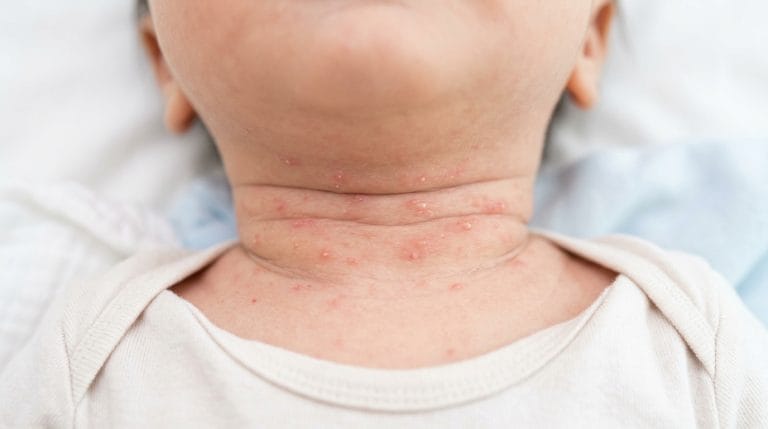
Around two to three weeks of age, your baby might develop tiny red bumps on their cheeks and nose. This is baby acne, caused by maternal hormones. The best lotion for this? None. Keep the area clean and dry; moisturizing over baby acne can clog their tiny pores and make it worse.
For Flaky, Peeling Skin
If your baby is shedding their newborn skin like a tiny snake, do not panic! Use a rich, plant-based cream or ointment specifically on the peeling joints (like wrists and ankles) to keep them comfortable while the old skin naturally falls away.
The Perfect Post-Bath Moisturizing Routine
Now that you have chosen the perfect, safe product, it is time to talk about application. How and when you apply the lotion is just as important as the lotion itself.
The absolute best time to moisturize your newborn is immediately after their bath. We call this the “Soak and Seal” method.
Step-by-Step Guide for Maximum Hydration
Step 1: The Gentle Pat-Down When you lift your baby out of the tub, wrap them in a soft, warm towel. Do not rub their skin dry! Gently pat them down, leaving the skin slightly damp.
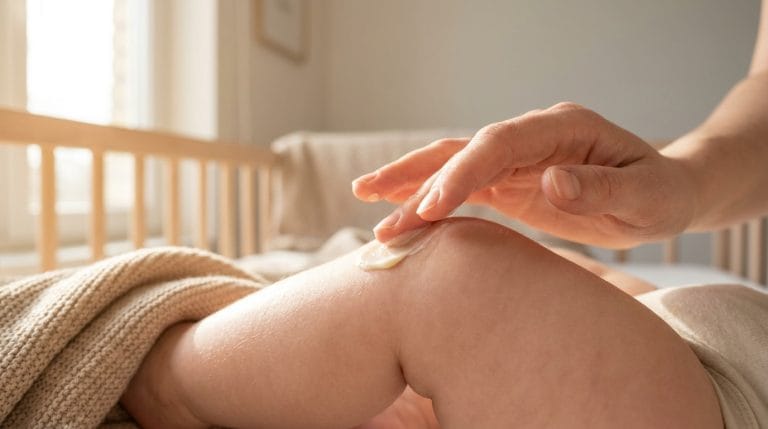
Step 2: Warm the Lotion Squirt a coin-sized amount of your chosen lotion or cream into your hands. Rub your palms together to warm the product. A cold dollop of lotion can startle a sleepy newborn!
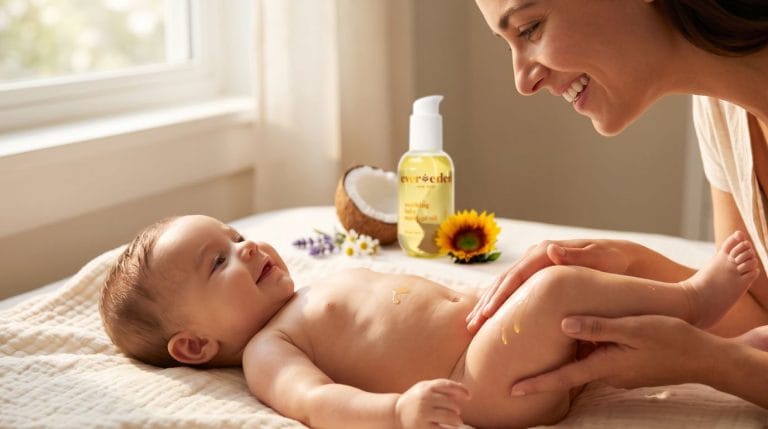
Step 3: Gentle Massage Starting from their tiny toes, gently massage the lotion upward. Use slow, rhythmic strokes over their legs, tummy, and arms. Avoid their hands and face unless specifically needed, as babies love to put their hands in their mouths.
Step 4: Dress for Comfort Once the lotion is fully absorbed, dress your baby in loose, breathable cotton clothing. This prevents the lotion from sweating off and keeps their skin comfortable and airy.
The Power of Infant Massage
Applying lotion is not just about hydration; it is an incredible opportunity for bonding. Infant massage has been proven to have amazing benefits for both baby and parents.
Taking five extra minutes to massage the lotion into your baby’s skin can help them relax and even sleep better. The gentle, continuous touch stimulates their vagus nerve, which helps regulate their tiny digestive system and can ease colic.
Furthermore, making eye contact and talking softly while you massage builds an immense sense of trust and security. It turns a simple skincare routine into a beautiful, daily ritual of love.
Signs You Need to Switch Lotions
Even if you buy the most expensive, organic, highly-rated lotion on the market, your baby’s skin might not agree with it. It is important to stay observant.
Always do a patch test when trying a new product. Apply a tiny dot of the lotion to the inside of your baby’s wrist or ankle and wait 24 hours.
If you notice excessive redness, hives, swelling, or if your baby seems unusually fussy after application, wash the lotion off immediately with lukewarm water.
Never feel bad about switching brands. Finding the perfect skincare match is often a process of trial and error. Listen to your baby’s skin, and always consult your pediatrician if a rash persists.
Final Thoughts on Protecting Your Little One’s Skin
Navigating the world of newborn care is a massive learning curve, but you are doing an absolutely incredible job. Taking the time to research and understand what goes onto your baby’s body shows how much you truly care.
Remember, keep it simple, keep it fragrance-free, and always prioritize deep, natural hydration. Your baby’s delicate skin barrier will thank you for it.
You don’t need a shelf full of complicated products. One reliable, high-quality, safe cream is all it takes to keep your baby comfortable, soft, and ready for all the cuddles.