The Ultimate Guide: Best Baby Bottle Cooler for Daycare
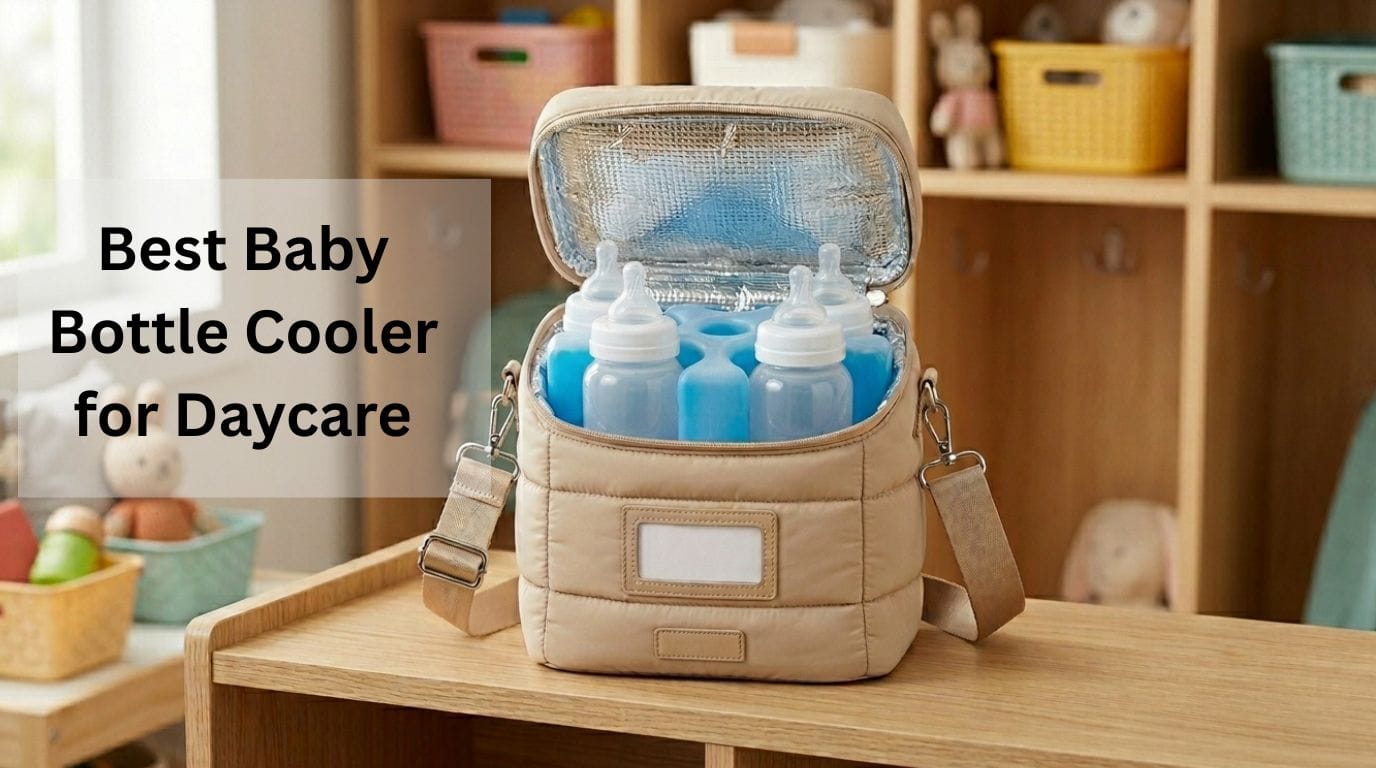
As a busy parent, ensuring your little one gets fresh milk is a top priority, which is why finding the right baby bottle cooler for daycare is absolutely essential. Whether you are pumping breastmilk or preparing formula, a reliable cooler keeps everything at the perfect, safe temperature.
Sending your infant to childcare can be an emotional transition. You want to make sure every detail is perfect, especially when it comes to their feeding routine.
Having the right gear will give you much-needed peace of mind. Let’s dive into everything you need to know about choosing, packing, and maintaining the perfect cooler bag for your child’s daily adventures.
Why a High-Quality Baby Bottle Cooler for Daycare is Essential
You might be wondering if a regular lunchbox can do the job. The short answer is no; a dedicated cooler is designed specifically for the unique shapes of bottles and the strict temperature requirements of milk.
When you invest in a proper cooler, you are investing in your child’s health. Milk that sits at room temperature can quickly develop harmful bacteria.
Furthermore, daycare providers appreciate parents who send well-organized, easy-to-store feeding supplies. A good cooler makes their job easier and your morning routine smoother.
Temperature Control for Safe Milk
Breastmilk and formula are highly sensitive to temperature changes. A specialized cooler provides superior insulation to block out external heat.
This ensures that the milk remains safely chilled from the moment you leave your house until feeding time. It prevents spoilage and preserves vital nutrients in breastmilk.
Meeting Daycare Facility Requirements
Many childcare centers have strict rules about how food and milk must be brought in. They often require everything to be stored in an insulated bag with cooling packs.
A proper baby cooler bag ensures you are compliant with these facility guidelines. It also keeps your child’s bottles separate from other children’s supplies.
Key Features of the Best Daycare Coolers
Not all cooler bags are created equal. When shopping for the perfect daily companion, there are several crucial features you need to evaluate.
Understanding these features will help you make a smart, long-lasting purchase. Let’s break down what makes a cooler truly stand out.
Insulation Materials Explained
The core of any cooler is its insulation. The material used inside the bag dictates how long the contents will stay cold.
Look for thick, high-quality insulating layers. The thicker the foam padding, the better the bag will be at trapping the cold inside.
PEVA Lining
PEVA is a popular, eco-friendly alternative to PVC. It is highly water-resistant, making it excellent for preventing leaks if a bottle spills.
It is also incredibly easy to wipe clean with a damp cloth. Many high-end coolers use food-grade PEVA for maximum safety and hygiene.
Aluminum Foil Lining
Some coolers feature an aluminum foil interior. This material reflects heat away from the inside of the bag, maintaining a consistent internal chill.
Foil linings are lightweight and generally very affordable. However, they can sometimes tear if they are punctured by sharp objects.
Ice Pack Configurations
Ice packs are the engine that keeps your baby bottle cooler for daycare functioning properly. How they are integrated into the bag matters a lot.
You want ice packs that provide long-lasting, even cooling. Uneven cooling can leave some bottles cold while others warm up too quickly.
Removable vs. Built-in Ice Packs
Removable ice packs offer flexibility; you can swap them out or buy extras. However, they take up valuable space inside the cooler compartment.
Built-in ice packs, where the entire bag goes into the freezer overnight, save interior space. They surround the bottles with cold air, but you must remember to freeze the whole bag daily.
Capacity and Compartments
You need to consider how many bottles your child consumes during a typical daycare shift. Most parents need a bag that holds between three to six bottles.
Make sure the height of the bag can accommodate the specific brand of bottles you use. Tall bottles require a cooler with extra vertical clearance.
Additionally, exterior pockets are great for storing small items. You can slip in pacifiers, labeling tape, or a small note for the childcare provider.
Preparing Your Baby Bottle Cooler for Daycare
Buying a great bag is only half the battle. How you pack the bag significantly impacts how well it performs throughout the day.
A poorly packed cooler will lose its chill much faster than a strategically packed one. Follow these steps for optimal temperature retention.
Pre-Chilling Your Bottles
Never put warm milk into your cooler right before leaving the house. The ice packs will have to work overtime to cool the milk down, melting faster in the process.
Always chill your breastmilk or formula in the refrigerator overnight. Place the already-cold bottles into the cooler just before you head out the door.
Arranging the Cooler Bag
Pack the bag as tightly as possible. Empty air space inside the cooler warms up quickly and reduces the effectiveness of the ice packs.
Place the ice packs directly against the bottles for maximum transfer of cold air. If there is extra space, consider adding a small, clean towel to fill the gaps.
Breastmilk vs. Formula: Storage Needs in Your Cooler
Different types of milk have slightly different storage constraints. Knowing these rules helps you pack your baby bottle cooler for daycare safely.
Whether you use breastmilk, formula, or a combination of both, safety should always be your guiding principle.
Storing Pumped Breastmilk
Freshly pumped breastmilk can technically sit at room temperature for a few hours, but it’s always best to chill it immediately. When sending it to daycare, it must be kept cold continuously.
Thawed breastmilk must be used within 24 hours of thawing and cannot be refrozen. Ensure your cooler is powerful enough to keep thawed milk icy cold until it’s warmed for feeding.
Storing Pre-Mixed Formula
Formula is highly perishable once mixed with water. Bacteria can grow very rapidly if it is not kept under strict refrigeration.
If you pre-mix formula at home, it must be transported in a highly insulated cooler. Many parents prefer to send water in the bottles and pre-measured powder separately to avoid this risk altogether.
Tips for Labeling and Organizing for Childcare Providers
Daycare workers handle dozens of bottles every single day. Making your supplies easy to identify is a courtesy that ensures your baby gets the right milk.
Proper labeling also prevents accidental mix-ups. This is especially crucial if your child is consuming breastmilk or requires a specific, specialized formula.
Using Waterproof Labels
Standard paper labels will peel and smudge from the condensation inside the cooler. You need to invest in high-quality, waterproof name labels.
These labels can withstand the cold, moist environment of the bag. They also survive the daily washing and sterilizing routines at home.
Color-Coding Your Gear
Consider color-coding your child’s cooler, bottles, and lids. If everything is bright green, for example, the provider will instantly recognize it as your child’s gear.
This simple visual cue saves time and reduces the mental load for the caregivers. It is a small step that makes a massive difference in a busy nursery room.
Maintenance and Cleaning of Your Cooler Bag
Your baby bottle cooler for daycare works hard every single day. To keep it sanitary and odor-free, it requires regular maintenance.
Milk spills happen, and when they do, the proteins can sour quickly. A strict cleaning routine ensures the bag remains safe for your child’s food.
Daily Wipedowns
At the end of every daycare day, empty the cooler completely. Remove the ice packs and leave the bag open to air out.
Take a warm, soapy cloth and wipe down the interior lining. This removes any condensation or micro-spills that occurred during the day.
Dealing with Spills Immediately
If a bottle leaks, do not wait until the weekend to clean it. Sour milk seeping into the seams of a cooler bag will ruin it permanently.
Wipe up the spill immediately, wash the area with mild dish soap, and sanitize it with an antibacterial wipe. Let it dry completely upside down before using it again.
Deep Cleaning Once a Week
Pick one day a week, usually Sunday, to give the bag a deep clean. Submerge it in warm, soapy water if the manufacturer’s care instructions allow it.
Use an old toothbrush to scrub the zippers and the tight corners of the interior. Rinse it thoroughly and dry it in a sunny, well-ventilated area to prevent mold growth.
Shopping Guide: Where to Find the Best Options
Finding the perfect cooler doesn’t have to be a stressful chore. There are plenty of fantastic options available both in-store and online.
Reading reviews from other parents is incredibly helpful. They often point out real-world pros and cons that the product descriptions miss.
You can find a massive variety of brands, sizes, and styles on amazon. Shopping online allows you to compare prices and check the exact dimensions to ensure your specific bottles will fit perfectly.
Frequently Asked Questions (FAQs)
Even with all this information, you might still have a few lingering questions. It is completely normal to want to understand every detail before making a choice.
Here are some of the most common questions parents have about using a baby bottle cooler for daycare.
How long does a baby bottle cooler for daycare stay cold?
The duration depends entirely on the quality of the bag and the ice packs used. A high-quality cooler with solid ice packs should keep milk cold for 8 to 12 hours.
Always test your new cooler at home before relying on it for a full daycare day. Check the temperature of a water-filled bottle after 8 hours to gauge its performance.
Can I use regular ice instead of ice packs?
It is generally not recommended to use loose ice cubes in your cooler bag. As the ice melts, it creates a pool of water that can leak through the zippers and soak the daycare cubby.
Furthermore, loose water can ruin the labels on your bottles. Always stick to sealed, reusable gel ice packs or solid freezer blocks.
Do I need a separate cooler for baby food jars?
Once your baby starts solids, you might need more space. If your bottle cooler is large enough, you can certainly place cold baby food purees alongside the bottles.
However, if space is tight, it might be better to invest in a secondary, smaller snack cooler. This prevents the primary bottle bag from being overstuffed and losing its cold temperature.
Exploring Advanced Cooler Technologies
As the baby gear market evolves, so do the technologies used in coolers. Some modern bags offer innovative features designed for ultimate convenience.
Staying updated on these trends can help you choose a bag that truly makes your morning routine effortless.
Smart Temperature Indicators
A few premium coolers now come with built-in temperature indicators. These color-changing patches let you know if the interior of the bag is getting too warm.
This gives parents incredible peace of mind when dropping off their little ones. It removes the guesswork from milk safety.
Anti-Microbial Linings
Some newer bags feature specialized anti-microbial interiors. This technology actively resists the growth of mold, mildew, and odor-causing bacteria.
If you live in a humid climate or occasionally forget to wipe out your bag, this feature is a lifesaver. It keeps the cooler smelling fresh for much longer.
Conclusion: Peace of Mind for Your Little One
Finding the perfect baby bottle cooler for daycare is a crucial step in preparing for your return to work or managing a busy schedule. It bridges the gap between your home and the childcare center, ensuring your baby’s nutrition is never compromised.
By focusing on high-quality insulation, proper packing techniques, and daily maintenance, you can guarantee that every drop of milk stays fresh and safe. A little bit of preparation goes a long way in making the daycare transition smooth and stress-free.