The Ultimate Guide on How to Treat Diaper Rash Naturally
Every parent hates seeing their little one in distress, which is why knowing how to treat diaper rash naturally is an absolute lifesaver. It is one of the most common issues infants face, but thankfully, nature provides plenty of gentle, highly effective solutions.
Taking care of a baby requires a lot of patience, especially when dealing with sensitive skin. Instead of relying on harsh chemicals or synthetic creams, you can heal your little one’s skin using safe, organic ingredients from your pantry.
In this comprehensive guide, we will explore the safest, most effective home remedies to soothe irritated skin. Let’s dive into the best natural treatments and preventive measures to keep your infant happy and rash-free.
Understanding the Enemy: What Exactly is Diaper Rash?
Before we look at the remedies, it is important to understand what you are dealing with. Diaper rash is an inflammatory skin reaction that occurs in the diaper area.
It usually appears as a patchwork of bright red skin on the buttocks, thighs, and genitals. While it is rarely serious, it can cause immense discomfort and crying, especially during diaper changes.
Understanding the root cause of the irritation is the first step toward effective healing. Once you know why it is happening, you can choose the most effective natural remedy.
Common Symptoms to Look Out For
Identifying the rash early can help you treat it before it becomes painful. Look for red, tender-looking skin in the diaper region.
You might also notice your little one becoming unusually fussy, especially when being wiped. In severe cases, the skin may look slightly swollen or warm to the touch.
Primary Causes of Diaper Rash
The most common cause of this irritation is prolonged exposure to a wet or soiled diaper. Urine and feces can severely alter the skin’s pH levels, leading to rapid irritation.
Friction from a diaper that is too tight can also rub against the skin, causing chafing and redness. Additionally, introducing new foods or antibiotics can change the composition of your infant’s stool, triggering a sudden rash.
Why Choose Natural Remedies?
You might wonder why you should opt for natural treatments when pharmacy shelves are full of commercial creams. The answer lies in the delicate nature of infant skin.
Commercial creams often contain artificial fragrances, preservatives, and chemicals that can occasionally worsen the irritation. Natural remedies, on the other hand, use pure, unadulterated ingredients.
By going the natural route, you are treating the skin gently without the risk of exposing your child to harsh synthetic compounds. Plus, many of these ingredients are incredibly cost-effective and readily available at home.
The Best Natural Ingredients for Soothing Diaper Rash
If you want to know how to treat diaper rash naturally, your kitchen and bathroom cabinets are the best places to start. Here are the most effective, science-backed natural remedies.
1. Coconut Oil: The Miracle Moisturizer
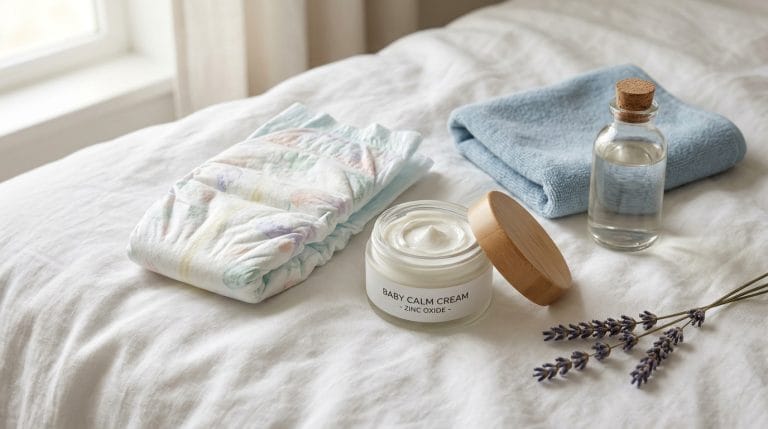
Coconut oil is highly regarded for its natural antifungal and antibacterial properties. It forms a protective barrier over the skin, preventing moisture from causing further irritation.
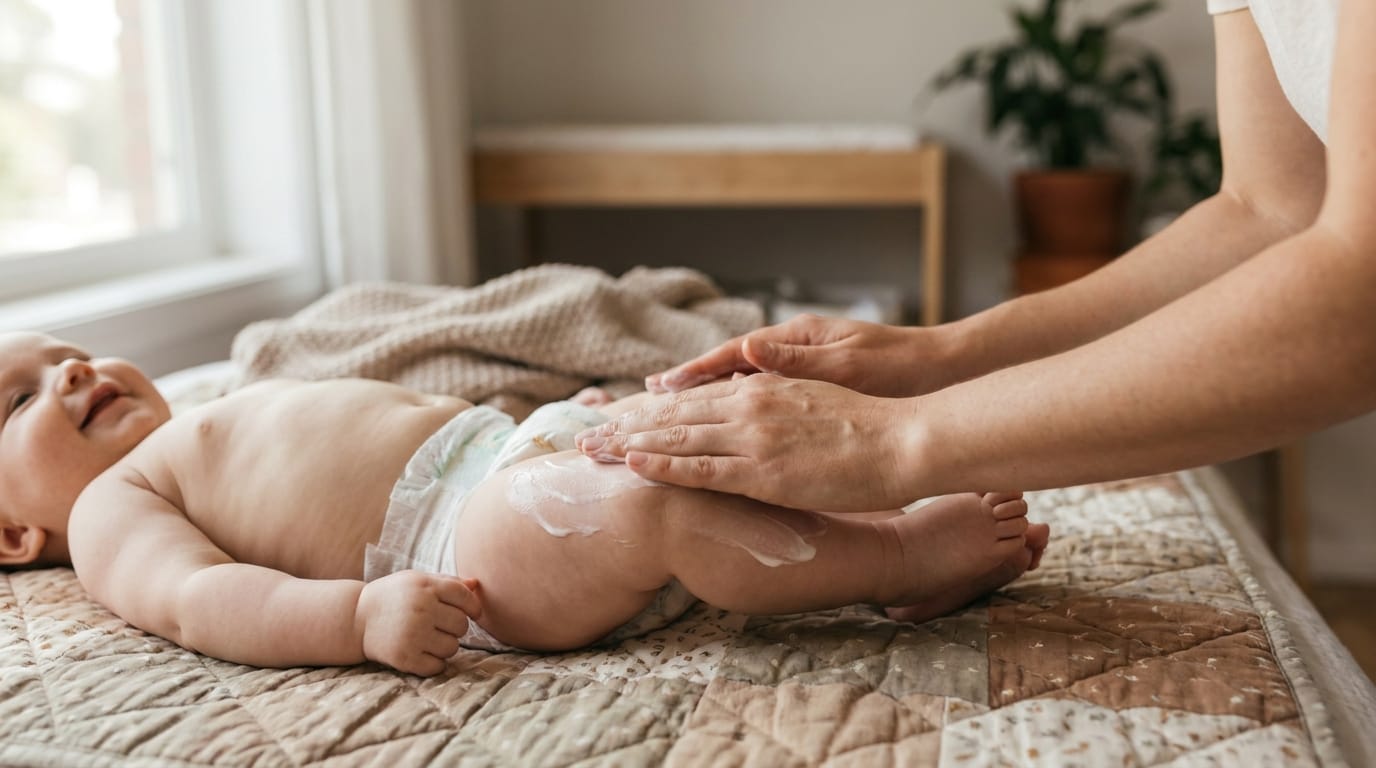
To use it, simply wash your hands and apply a thin layer of extra virgin coconut oil to the affected area. Let it air dry for a few minutes before putting on a fresh diaper.
It is incredibly gentle and can be used during every single diaper change until the redness disappears. You can easily find high-quality, organic cold-pressed coconut oil on amazon if you don’t have it locally.
2. Breast Milk: Nature’s Liquid Gold
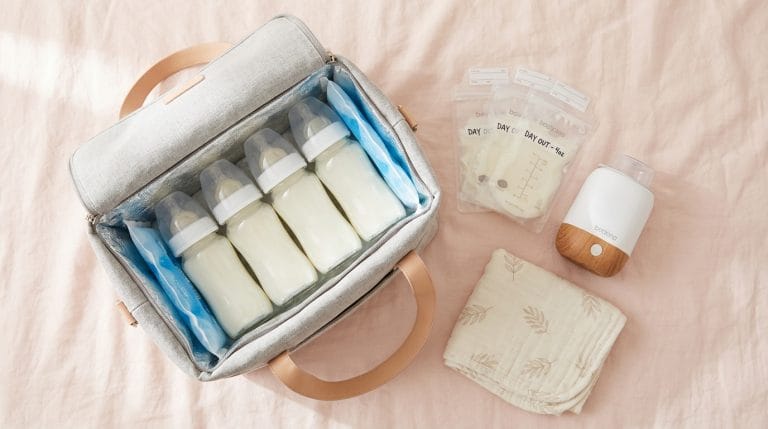
It might sound surprising, but breast milk is a highly effective, free, and natural treatment for skin irritations. It contains antibodies and natural healing properties that fight off infection.
Simply express a few drops of breast milk and gently massage it onto the rash. Allow it to air dry completely before diapering your infant.
Studies have shown that breast milk can be just as effective as hydrocortisone cream for treating standard rashes. It is the ultimate natural remedy designed specifically for your child.
3. Oatmeal Bath for Soothing Relief
Colloidal oatmeal is a fantastic natural remedy for reducing inflammation and soothing itchy, painful skin. It contains saponins that help cleanse the skin while locking in moisture.
To create an oatmeal bath, blend a cup of plain, unflavored oats into a fine powder. Sprinkle this powder into a warm baby bath and let your little one soak for 10 to 15 minutes.
Gently pat the skin dry with a soft towel afterward—never rub, as rubbing can aggravate the rash. This remedy is incredibly relaxing and provides immediate relief from burning sensations.
4. Baking Soda Solution
Baking soda is an excellent agent for neutralizing the acidic nature of urine and feces. By balancing the skin’s pH, it helps reduce redness and speeds up the healing process.
Add two tablespoons of baking soda to a warm bath and mix it well until it dissolves completely. Let your child soak in the water for about 10 minutes.
Alternatively, you can mix a small amount of baking soda with warm water and use a soft cloth to gently wash the diaper area. Always ensure the skin is completely dry before putting on a new diaper.
5. Aloe Vera: The Cooling Gel
Aloe vera is famous for its cooling, anti-inflammatory properties, making it perfect for angry, red rashes. It provides instant relief from the burning sensation associated with severe diaper rash.
If you have an aloe vera plant at home, slice a leaf open and extract the fresh gel. Apply a very thin layer directly to the affected area and let it dry.
Avoid using store-bought aloe vera gels that contain added colors, alcohol, or fragrances. You want the purest form of the gel to ensure it heals rather than harms the delicate skin.
6. Plain Yogurt
Plain, unsweetened yogurt is packed with probiotics, which are fantastic for fighting off yeast infections. Yeast-based diaper rashes are very common and often look like bright red patches with smaller red dots around the edges.
Apply a thick layer of cold, plain, full-fat yogurt directly to the rash during a diaper change. The coolness provides immediate pain relief, while the active cultures get to work fighting the yeast.
Wipe it off gently with warm water during the next change. Always make sure you are using plain yogurt with no added sugars or flavors.
7. Apple Cider Vinegar
Urine is highly alkaline, which can severely burn a child’s skin if left for too long. Apple cider vinegar helps restore the skin’s natural, slightly acidic pH balance.
Mix one teaspoon of organic, raw apple cider vinegar with half a cup of warm water. Dip a clean, soft washcloth into the solution and gently dab it onto the rash.
Allow the area to air dry completely before putting on a new diaper. Dilution is key here; never apply undiluted apple cider vinegar directly to infant skin.
The Magic of “Naked Time” (Diaper-Free Time)
When discussing how to treat diaper rash naturally, nothing beats good old-fashioned fresh air. Trapped moisture is the primary culprit behind diaper rash, and taking the diaper off is the fastest way to eliminate it.
Allowing your child to spend time without a diaper lets the skin breathe and heal naturally. Even just 10 to 15 minutes of “naked time” a few times a day can make a massive difference.
How to Implement Diaper-Free Time Safely
Place a waterproof mat or a thick, easily washable towel on the floor. Let your little one play on the mat without a diaper while you supervise them.
If the weather is warm, you can even take them outside in a shaded area for some fresh air. Just be prepared for potential accidents and have cleanup supplies nearby!
Keeping the area dry is the single most important factor in curing a rash. Embrace the messiness, because the healing benefits of open air are unmatched.
Preventive Habits: Stopping Rashes Before They Start
Treating a rash is important, but preventing it from coming back is the ultimate goal. A few simple adjustments to your daily routine can keep your little one’s skin flawless.
Frequent Diaper Changes
The best defense against diaper rash is a clean, dry bottom. Change diapers frequently, ideally as soon as they become wet or soiled.
Do not wait for the diaper to feel heavy or full before changing it. Newborns especially require very frequent changes to protect their highly sensitive skin.
Proper Wiping Techniques
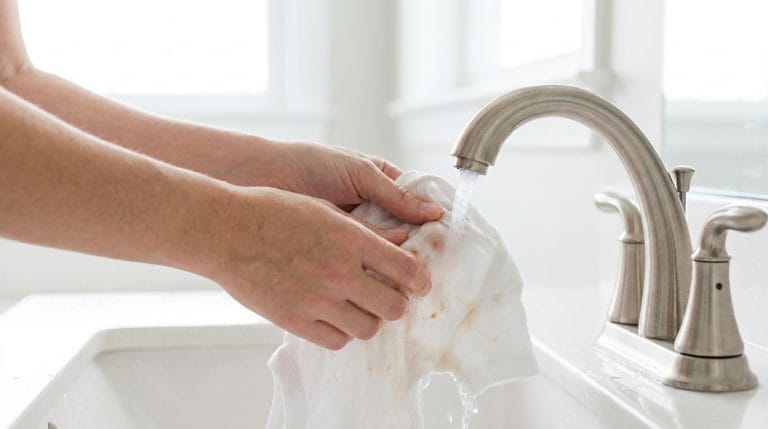
Commercial wipes often contain alcohol or fragrances that can dry out and irritate the skin. Consider switching to water-based wipes or simply using a soft cloth with warm water.
When cleaning the area, always pat gently rather than rubbing. Friction is a major cause of skin breakdown, so a gentle touch is absolutely necessary.
The Pat-Dry Method
Never put a new diaper on wet skin. After wiping, either let the area air dry for a minute or gently pat it dry with a soft, clean cotton towel.
Trapping water underneath a fresh diaper creates the perfect humid environment for bacteria and yeast to thrive. Patience during drying saves you from dealing with rashes later.
Choosing the Right Diapers
Sometimes, the diapers themselves are the problem. Some infants are allergic to the dyes, perfumes, or absorbent gels used in certain disposable brands.
If your child suffers from chronic rashes, try switching to a different brand or an unscented, hypoallergenic variety. Many parents find success by switching to breathable cloth diapers made of natural fibers.
Diet and Diaper Rash: What’s the Connection?
What goes into your child’s body directly affects what comes out. Dietary changes can alter the pH of a child’s stool, making it more acidic and prone to causing rashes.
If you have recently introduced solid foods to your infant, monitor their reactions closely. Citrus fruits, tomatoes, and fruit juices are highly acidic and are common culprits for triggering a rash.
Foods to Avoid for Nursing Mothers
If you are breastfeeding, your diet can also impact your child’s digestion. Spicy foods, large amounts of dairy, or highly acidic foods in your diet can sometimes translate to acidic stool for your child.
Try keeping a food diary to track what you eat and see if it correlates with your child’s skin flare-ups. Eliminating potential trigger foods for a few days can help identify the root cause.
Foods to Monitor for Toddlers
For older infants eating solids, pay attention to high-acid foods. Strawberries, pineapples, grapes, and tomatoes can all lead to acidic bowel movements.
Ensure they are drinking plenty of water to dilute their urine. A well-hydrated system is less likely to produce highly concentrated, irritating waste.
When to Skip Natural Remedies and See a Pediatrician
While natural remedies are incredibly effective for standard rashes, there are times when medical intervention is necessary. It is crucial to know the difference between a minor irritation and a severe infection.
If the rash does not improve after three to four days of natural home treatments, it is time to consult a doctor. Persistent rashes may be a sign of a stubborn yeast or bacterial infection.
You should also seek immediate medical attention if the rash is accompanied by a fever, blisters, pus, or bleeding. Your pediatrician can prescribe specialized antifungal or antibiotic ointments to clear up severe cases safely.
Frequently Asked Questions (FAQs) About Natural Diaper Rash Treatments
Parents often have many questions when trying out natural remedies for the first time. Here are some of the most frequently asked questions regarding natural diaper rash treatments.
How fast do natural remedies work?
Mild diaper rashes can start showing improvement within 24 to 48 hours of using natural treatments. Consistency is key; you must apply the remedies during every single diaper change.
If you combine remedies like coconut oil with frequent diaper-free time, you will see much faster results. However, if the rash persists beyond a few days, consult your healthcare provider.
Can I use olive oil instead of coconut oil?
Yes, olive oil is another excellent natural moisturizer that is generally safe for infant skin. It is rich in vitamins and antioxidants that promote skin healing.
However, coconut oil is often preferred because of its natural antibacterial and antifungal properties. If you only have olive oil on hand, it is still a great, soothing alternative.
Is baby powder safe to use naturally?
Traditional talcum powders are no longer recommended by pediatricians due to the risk of inhalation and lung irritation. Even cornstarch-based powders can sometimes worsen yeast-based diaper rashes.
It is much safer to rely on barrier oils, breast milk, or open air to dry the skin. Avoiding powders entirely eliminates the risk of respiratory issues for your child.
Can teething cause diaper rash?
Many parents notice a correlation between teething and diaper rash. While teething itself doesn’t cause a rash, the excess saliva swallowed during teething can change the composition of the stool.
This excess saliva can lead to looser, slightly more acidic bowel movements, which can easily irritate the skin. Extra vigilance during teething phases can help prevent these specific flare-ups.
Conclusion
Learning how to treat diaper rash naturally empowers you to soothe your child’s pain safely and gently. By utilizing the incredible healing properties of ingredients like coconut oil, breast milk, and oatmeal, you can avoid harsh chemicals while providing rapid relief.
Remember that keeping the skin clean, completely dry, and exposed to fresh air is the ultimate secret to preventing and curing irritation. Every child’s skin is unique, so do not be afraid to try a few different natural remedies to see what works best for your little one.
Ready to try these natural remedies? Share this article with other parents who might be struggling with stubborn diaper rashes, and leave a comment below letting us know which natural remedy worked best for your little one!