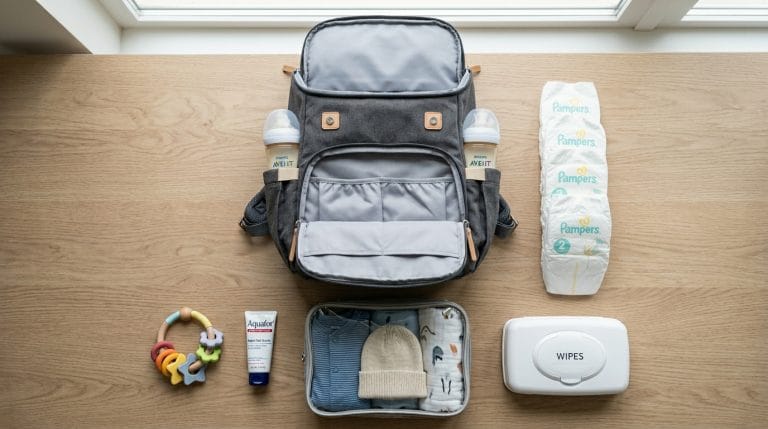
How to Prevent Diaper Rash Overnight: The Ultimate Guide for Parents
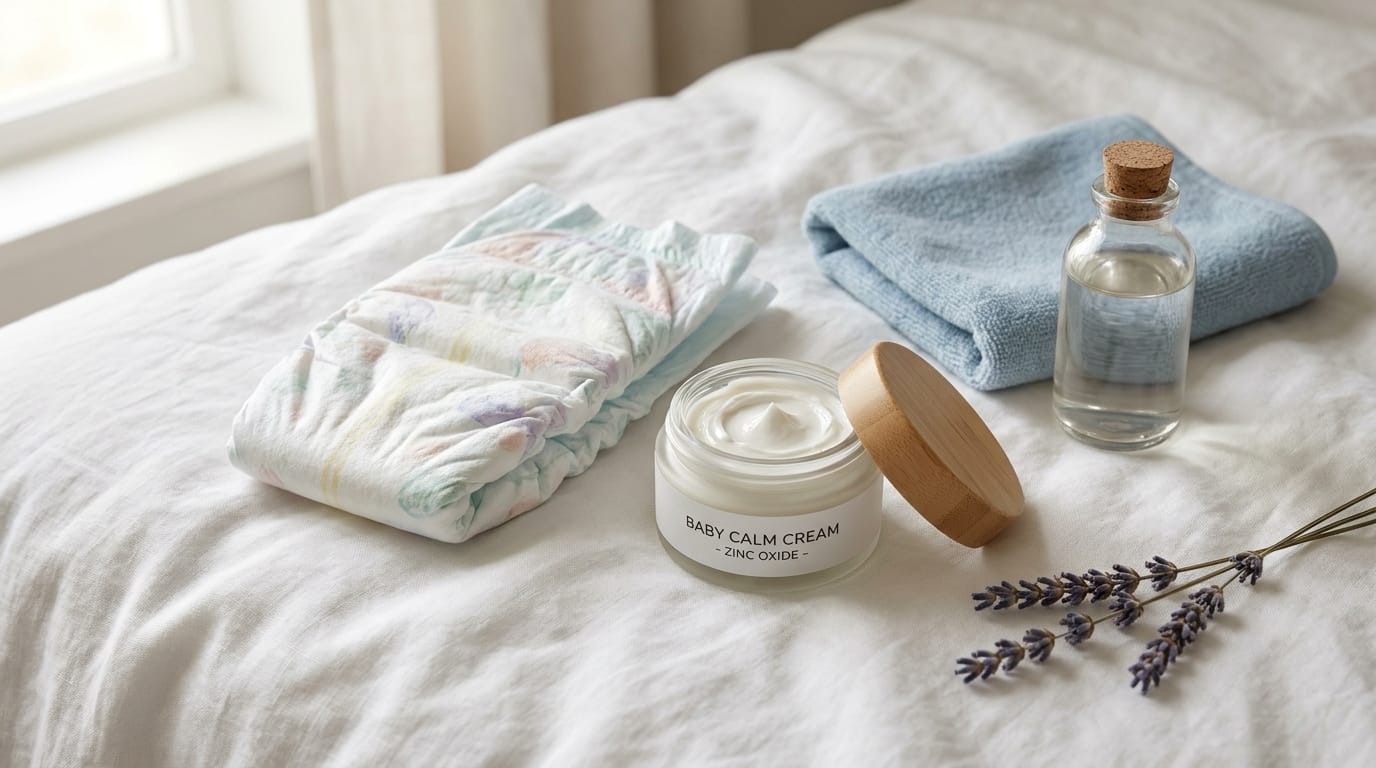
Every parent knows the heartbreak of waking up to a crying infant in pain from irritated skin. If you are wondering how to prevent diaper rash overnight, you are certainly not alone in this exhausting struggle.
Nighttime should be for peaceful sleep, not for battling angry, red skin. Fortunately, with the right routine, protecting your little one’s delicate bottom is completely possible.
In this comprehensive guide, we will walk you through exactly what you need to do. From choosing the best products to perfecting your nighttime routine, we have you covered.
Understanding the Causes: Why Do Diaper Rashes Happen at Night?
Before we can effectively solve the problem, we need to understand why nighttime is particularly risky for delicate skin. During the day, you probably change nappies every few hours.
At night, however, your child might sleep for eight to twelve hours straight. This long stretch means their skin is exposed to moisture and irritants for a significantly longer period.
When you know the root causes, figuring out how to prevent diaper rash overnight becomes much easier. Let’s explore the primary culprits behind these frustrating nighttime flare-ups.
Prolonged Exposure to Moisture
The number one enemy of healthy infant skin is excessive, trapped moisture. When urine and feces are left against the skin, they break down the skin’s natural protective barrier.
Even the most highly absorbent nighttime nappies have their limits. Once the core is full, the excess moisture sits directly on the skin, leading to rapid irritation.
Chemical Reactions and Ammonia
When urine mixes with the bacteria found in stool, it creates ammonia. Ammonia is a harsh, highly alkaline chemical that essentially burns delicate skin.
This chemical reaction happens much faster when the environment is warm and enclosed. The longer the nappy stays on, the more ammonia is produced, causing severe redness.
Friction and Chafing
As your little one tosses and turns during the night, the nappy rubs against their skin. If the material is already damp, this friction quickly causes chafing and micro-tears.
These tiny tears make the skin even more vulnerable to the ammonia and moisture. A poorly fitting nappy will only make this chafing significantly worse.
Dietary Changes and Teething
Sometimes, the cause of the irritation comes from the inside. When you introduce new, acidic foods like tomatoes or citrus, it changes the pH of their stool.
Similarly, teething causes infants to swallow excess saliva, which can lead to looser, more acidic stools. This acidic waste is highly irritating when left on the skin overnight.
Step-by-Step Guide on How to Prevent Diaper Rash Overnight
Now that we know the causes, let’s dive into the practical solutions. Establishing a foolproof bedtime routine is your best defense against morning redness.
By following these targeted steps, you can ensure your little one wakes up happy, comfortable, and completely rash-free.
Step 1: Perfect Your Evening Cleansing Routine
The foundation of preventing irritation is starting the night with a perfectly clean canvas. Never put a fresh nighttime nappy on unwashed skin.
Instead of using standard wet wipes, consider using a soft washcloth with warm water. Commercial wipes often contain fragrances and preservatives that can sting or dry out the skin.
If you must use wipes, ensure they are 99% water wipes and completely fragrance-free. Gently pat the area clean rather than scrubbing, which causes unnecessary friction.
Step 2: The Crucial “Air Dry” Phase
This is the step that most exhausted parents accidentally skip. After cleaning the area, you must let the skin dry completely before putting on the new nappy.
Trapping even a tiny amount of moisture under a barrier cream is a recipe for disaster. Let your baby enjoy some naked time for about five to ten minutes before bed.
If you are in a rush, you can gently fan the area with a dry towel or a piece of cardboard. Just make absolutely sure the skin is bone-dry to the touch.
Step 3: Choose the Right Overnight Diapers
Not all nappies are created equal, especially when it comes to long sleep stretches. You need to invest in high-quality, dedicated “overnight” or “nighttime” variants.
These specific products contain extra absorbent materials in the core to lock away moisture. They pull the wetness deep into the padding, keeping the surface layer relatively dry.
Step 4: Size Up for Nighttime
A clever trick used by experienced parents is to buy nighttime nappies one size larger than the daytime ones. This provides extra capacity for heavy wetters.
Sizing up also allows for better air circulation around the hips and thighs. Just ensure the leg cuffs are still snug enough to prevent unwanted leaks.
Step 5: Apply a Thick Layer of Barrier Cream
When learning how to prevent diaper rash overnight, barrier cream is your absolute best friend. Think of it as a waterproof shield for the skin.
You need to apply it thick—like frosting on a cake. Do not rub it in completely; it should sit on top of the skin to block out urine and feces.
Look for creams containing high concentrations of Zinc Oxide or Petroleum Jelly. These ingredients are incredibly effective at repelling moisture and soothing the skin.
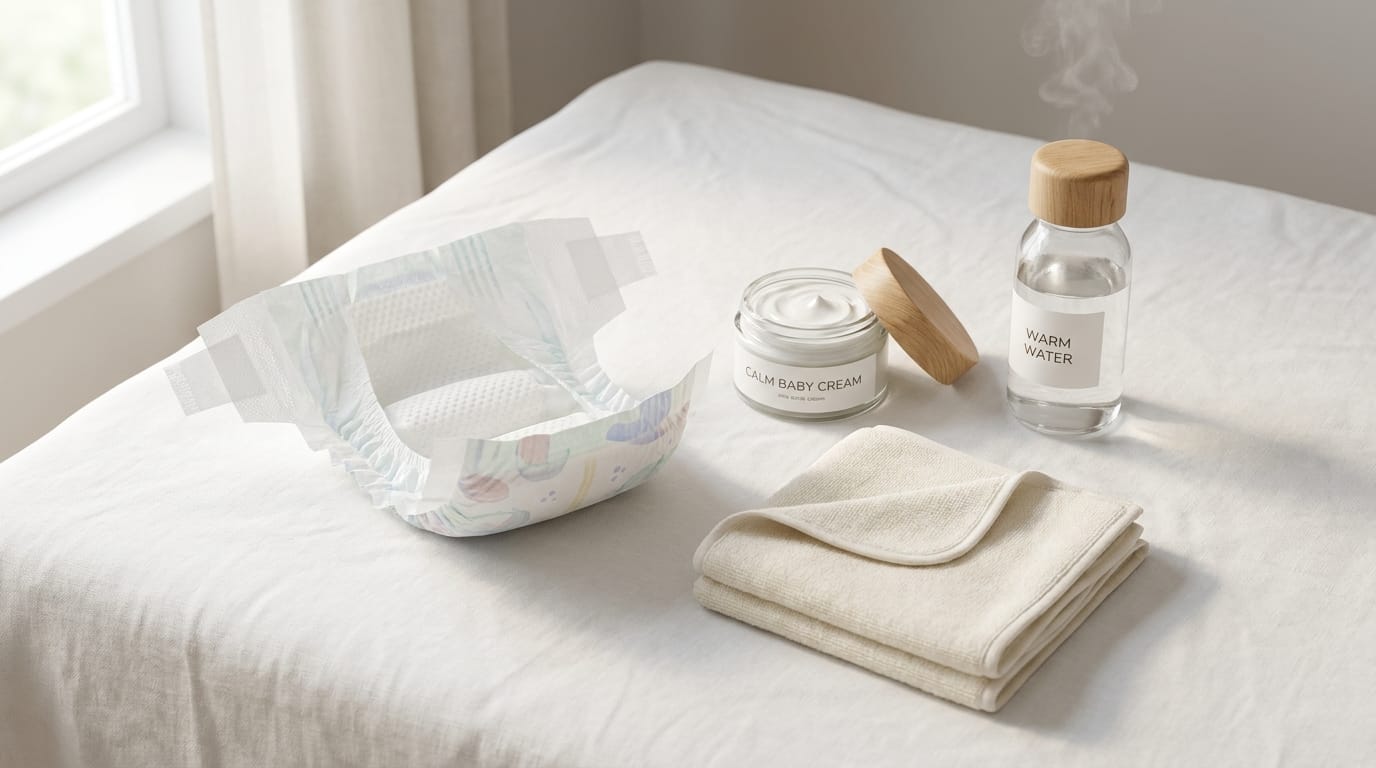
Essential Ingredients to Look For in Barrier Creams
Walking down the baby aisle can be overwhelming with so many cream options available. To make the best choice, you need to read the ingredient labels carefully.
Certain ingredients are scientifically proven to protect and heal the skin. Here is a breakdown of what you should be looking for.
Zinc Oxide
Zinc Oxide is the gold standard in diaper rash prevention and treatment. It creates an impenetrable, white barrier on top of the skin that moisture cannot pass through.
For daily overnight prevention, a cream with 10% to 15% Zinc Oxide is perfect. If your child already has a slight rash, upgrade to a maximum strength formula with 40% Zinc Oxide.
Petroleum Jelly
Petroleum jelly is a fantastic, cost-effective alternative to zinc-based creams. It goes on clear and creates a highly effective waterproof seal over the skin.
It is particularly good for maintaining healthy skin and preventing chafing from tight nappies. Plus, it is very easy to wipe off in the morning during the first change.
Calendula and Aloe Vera
If you prefer natural products, look for creams infused with Calendula and Aloe Vera. Calendula is a flower extract known for its powerful anti-inflammatory properties.
Aloe Vera provides a cooling, soothing effect that calms irritated, red skin. These ingredients are great additions to a zinc or petroleum base for maximum healing.
Common Mistakes Parents Make During Nighttime Diapering
Even with the best intentions, it is easy to make simple errors that lead to rashes. Avoiding these common pitfalls is just as important as using the right products.
Let’s review the frequent mistakes parents make so you can adjust your routine accordingly.
Wiping Too Vigorously
When dealing with a messy nappy, the instinct is to wipe firmly until everything is gone. However, aggressive wiping strips away the skin’s natural oils and causes microscopic cuts.
Always use a gentle, dabbing motion to lift away dirt. If the mess is stubborn, use a little baby oil on a cotton pad to gently dissolve it without scrubbing.
Fastening the Diaper Too Tightly
You obviously want to prevent leaks, but securing the tabs too tightly is a major mistake. A nappy that is too tight restricts airflow and causes severe chafing on the waist and thighs.
You should be able to comfortably slide two fingers under the waistband. This ensures a snug fit that still allows the skin to breathe slightly.
Using Talcum Powder
In the past, parents always used baby powder to keep skin dry. However, pediatricians now strongly advise against using talcum powder due to inhalation risks.
Furthermore, powder can actually clump up when it mixes with urine. These hard clumps sit against the skin and cause intense friction and irritation.
Cloth vs. Disposable Diapers for Overnight Use
Many environmentally conscious parents prefer using reusable cloth nappies. While they are great for daytime, using them overnight requires a specific strategy.
Cloth materials generally do not wick moisture away from the skin as effectively as modern disposables. If you use cloth at night, you must add a stay-dry fleece liner.
Adding Extra Inserts
To make a cloth nappy last for twelve hours, you need serious absorption power. You will need to add extra bamboo or hemp inserts to boost the capacity.
Be careful not to stuff it so much that the nappy gaps at the legs, which will cause leaks. It is a delicate balance of adding bulk without ruining the fit.
The Disposable Advantage for Sleep
For parents desperately trying to figure out how to prevent diaper rash overnight, premium disposables are usually easier. The super-absorbent polymers inside them are unmatched for trapping liquid.
If you are committed to cloth but struggling with constant morning rashes, consider a compromise. Use cloth during the day and switch to one highly absorbent disposable just for bedtime.
Creating the Ideal Sleep Environment
Believe it or not, the temperature of your child’s bedroom can impact their skin health. An overheated room leads to sweating, which adds extra moisture to the nappy area.
Keeping the room at a comfortable, slightly cool temperature helps minimize night sweats. Aim for a room temperature between 68°F and 72°F (20°C to 22°C).
Choose Breathable Sleepwear
Dress your child in light, breathable cotton sleepwear rather than heavy synthetic fleece. Cotton allows body heat to escape, keeping their overall body temperature regulated.
Avoid putting too many layers on their bottom half. A thick nappy combined with tight pants and a heavy sleep sack can turn the diaper area into a sauna.
When to See a Pediatrician for a Diaper Rash
Most of the time, following these preventive steps will clear up mild redness within a few days. However, sometimes home remedies and barrier creams are not enough.
It is crucial to recognize the signs of a more serious issue that requires medical intervention. Do not hesitate to contact your doctor if you notice any of the following symptoms.
Signs of a Yeast Infection
If the rash is bright beefy red with clearly defined borders, it might be a yeast infection. You will also typically see smaller red “satellite” bumps spreading out from the main rash.
Yeast infections thrive in dark, warm, moist environments, making nighttime the perfect breeding ground. Standard barrier creams will not cure yeast; you will need a prescribed antifungal cream.
Identifying Bacterial Infections
Sometimes, the micro-tears in the skin can become infected with bacteria like Staph. If you see yellow, fluid-filled blisters or honey-colored crusting, call your doctor immediately.
A bacterial infection can spread quickly and often requires topical or oral antibiotics. Also, seek immediate care if your child develops a fever alongside the rash.
Bleeding and Open Sores
A rash should never progress to the point of bleeding or creating open, raw sores. If the skin is broken and weeping fluid, standard creams might actually trap the bacteria inside.
Your pediatrician can guide you on the safest way to cleanse and treat open sores. They may recommend specific hydrogel pads to promote faster, painless healing.
Must-Have Products for Your Nighttime Arsenal
To successfully execute this routine, you need to have the right supplies stocked and ready. Trying to find the right cream at 2 AM is never a fun experience.
You can easily find all these top-rated products by searching online, and buying in bulk is often cheaper. For example, you can browse a massive variety of highly reviewed barrier creams directly on amazon to have them delivered to your door.
The Ultimate Shopping List
-
Premium Overnight Diapers: Look for brands that advertise 12-hour leak protection.
-
Water-Based Wipes: Fragrance-free and hypoallergenic for sensitive skin.
-
Maximum Strength Zinc Oxide Cream: For those nights when you see a hint of redness.
-
Petroleum Jelly: For standard, everyday moisture blocking.
-
Soft Cotton Washcloths: For gentle, friction-free cleaning.
Having these items neatly organized on your changing table will make the bedtime routine smooth and stress-free. Consistency with these products is the secret to long-term success.
Final Thoughts and Conclusion
Learning how to prevent diaper rash overnight is an essential skill that saves both you and your child from unnecessary stress. It all comes down to controlling moisture, reducing friction, and creating a strong protective barrier.
By perfecting your cleansing routine, ensuring the skin is completely dry, and generously applying the right barrier cream, you set the stage for healthy skin. Remember to size up your overnight nappies and keep the sleep environment comfortably cool.
Every child’s skin is unique, so do not be discouraged if you need to try a few different creams or nappy brands before finding the perfect combination. Patience and consistency are your greatest tools in this journey.
Are you ready to say goodbye to morning nappy rashes for good? Start implementing these steps tonight! Review your current changing station, throw out those fragranced wipes, and stock up on a high-quality zinc oxide cream. Your little one’s delicate skin—and their peaceful night’s sleep—will thank you!