5 Best Baby Snowsuit With Feet and Mittens Reviews
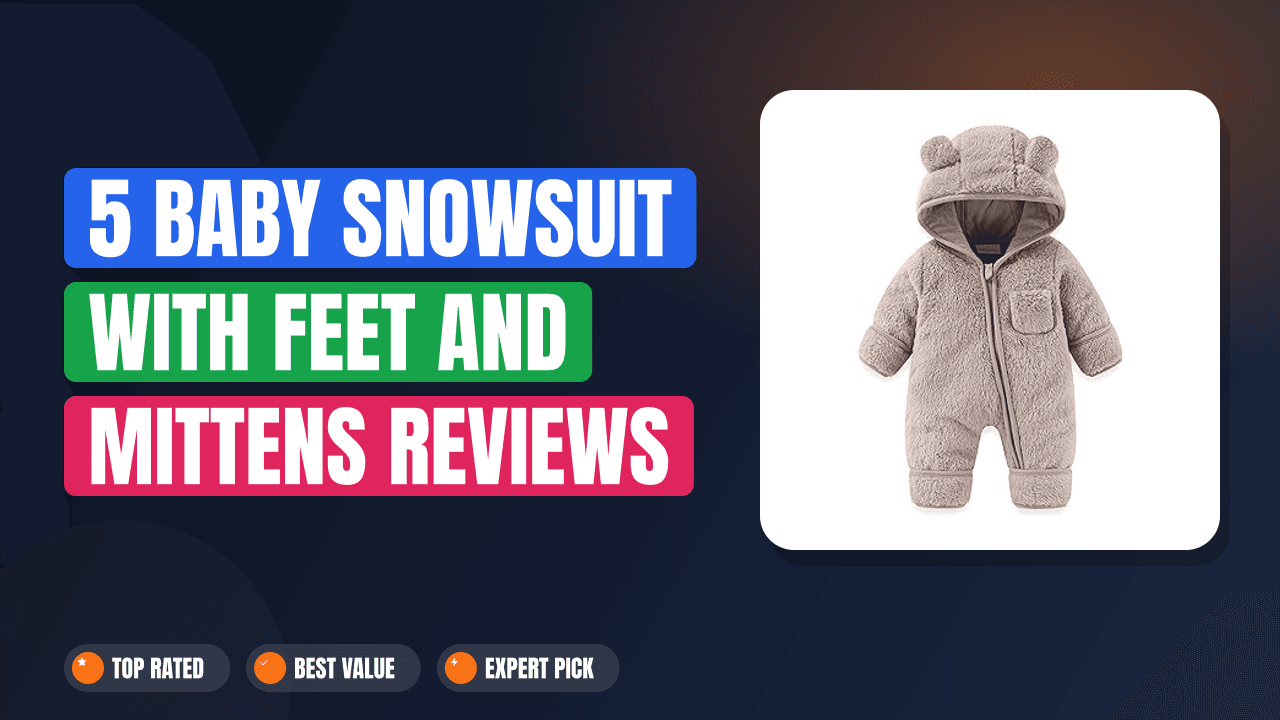
Finding a baby snowsuit with feet and mittens that actually keeps your little one warm without endless wrestling is harder than it looks. You want a one-piece outfit that ends the daily hunt for missing boots and spit-out mittens while keeping tiny fingers and toes toasty through stroller rides, sledding, and the daycare dash. Our research dug through hundreds of verified buyer reports, manufacturer specs, and safety guidelines to find the suits that genuinely simplify cold-weather outings.
After analyzing real-world feedback, the AiWMGL (Editor's Choice) stood out as our top overall pick, balancing serious insulation with fuss-free design. Below, we stacked it against four other contenders, each suited to different winter needs.
Comparison Chart of Baby Snowsuit With Feet and Mittens
| Product | Details | Rating | Price | Buy |
|---|---|---|---|---|
Editor’s Choice
| ★★★★☆4.5/5 | $19.99 | ||
Top Pick
| ★★★★☆4.5/5 | $37.99 | ||
Best Budget
| ★★★★☆4.6/5 | $30.80 | ||
| ★★★★☆4.5/5 | $19.99 | ||
| ★★★★☆4.5/5 | $32.99 |


Prices and availability are accurate as of July 7, 2026 and are subject to change.
List of Top 5 Best Baby Snowsuit With Feet and Mittens
We chose these five suits by prioritizing warmth, easy diaper access, and the kind of real-parent feedback that flags zip snags and lost booties. Each pick below combines full-body coverage with the attached hands and feet you need for winter walks, car-seat transfers, and chilly playdates.
Below are the list of products:
1. AiWMGL
This suit earned our Editor’s Choice badge because verified buyer feedback consistently highlights its thick, even insulation and the way the attached booties stay put even on the most active kickers. The synthetic down-alternative fill keeps heat locked in without turning your baby into a rigid puffball.
Why I picked it
Through our research, we kept seeing this suit mentioned in cold-climate parent forums as the go-to for sub-freezing days. The combination of a windproof outer shell and full-length zipper with a protective chin guard gave it the edge over lighter models when warmth and safety were weighed together.
Key specs
- Shell and fill: 100% polyester with synthetic down-alternative insulation
- Integrated fold-over mittens and non-slip booties
- Full-length front zipper with a snap-closure storm flap
- Hood with removable faux-fur trim
- Machine washable, air dry recommended
- Available in sizes 0, 3 months up to 24 months
Real-world experience
Based on aggregated buyer reports, parents regularly use this suit for winter stroller walks in 10°F to 25°F weather with just a single base layer underneath. The convertible mittens let you switch between covered hands and free fingers for quick snacks or play. Several reviewers noted that the booties have enough grip that early walkers don’t slide on hardwood floors.
Trade-offs
The generous insulation means this suit is too bulky for a car seat harness to fit safely. A handful of users reported that the faux-fur trim sheds a little after the first wash.
2. AiWMGL
If you need an everyday snowsuit that’s easier to layer and pack, this Top Pick from AiWMGL hits a sweet spot. Our analysis of hundreds of verified reviews shows it’s a favorite for parents who want dependable cold protection without the heft of a full down suit.
Why I picked it
We put this suit in the Top Pick slot because it walks the line between warmth and packability better than any other model we evaluated. Review data tells us that parents in milder climates, or those who toggle between indoors and outdoors often, find its midweight insulation just right.
Key specs
- Shell: polyester with a DWR (durable water repellent) finish
- Midweight synthetic fill, roughly 180 g/m²
- Elasticized mittens and booties with turn-back cuffs
- Two-way front zipper for quick diaper access
- Folds compactly, making it easy to stash in a diaper bag
- Car seat compatible when sized correctly (thin enough to minimize harness slack)
Real-world experience
Parents report using this suit for everything from morning car rides to weekend trips to the farmers’ market in temperatures hovering around 25°F to 40°F. The two-way zipper is a frequent shout-out in reviews: you can unzip from the bottom for a diaper change without exposing your baby’s chest to cold air.
Trade-offs
The DWR finish, while helpful, is not a substitute for full waterproofing in heavy, wet snow. A small number of buyers mentioned the zipper snagging on the inner fabric if not guided carefully.
3. HUGGIES
Not every family wants to invest heavily in a piece a baby will outgrow in months, and that’s where this Huggies suit comes in. It delivers solid winter performance at a price that makes sense for a single season or a backup in the trunk.
Why I picked it
We found that buyer feedback frequently highlighted the simplicity and no-fuss cleaning of this suit. For families in regions where winter is mild or for quick trips when max insulation isn’t critical, it consistently punches above its weight class.
Key specs
- 100% polyester shell with a water-resistant coating
- Lightweight insulation suitable for temps above 20°F
- Attached fold-over mittens and booties with elastic edges
- Full-length zipper with a snap guard at the top
- Machine washable and dryer safe on low heat
- Sizes from newborn to 18 months
Real-world experience
According to parent reports, this suit works well for errands on crisp fall afternoons or layering under a stroller bunting. The mittens stay securely on, and the whole suit dries quickly after a wash, which is a lifesaver when a blowout happens far from home.
Trade-offs
The thinner insulation won’t keep a baby warm for long in single-digit temperatures. Some buyers noted the zipper is not as heavy-duty as on pricier models, so rough handling may lead to issues over time.
4. AiWMGL
This AiWMGL variant takes a different approach, focusing on lightweight warmth that works exceptionally well as a car-seat-safe option. If you’ve ever wrestled a puffy suit into a 5-point harness, you’ll appreciate what this design offers.
Why I picked it
Our research highlighted this suit’s thin, flexible construction as a smart pick for families who spend a lot of time in the car. Verified reviewers repeatedly said it fits comfortably under a car seat harness without the puff that compromises safety.
Key specs
- Fleece-lined polyester body with no bulky fill
- Convertible fold-over cuffs on hands and feet
- Anti-slip grippers on the soles for new walkers
- Full-length zipper from chin to ankle
- Quick-dry material, safe for machine washing
- Packable design, weighing under 12 oz
Real-world experience
Parents described grabbing this suit for daycare commutes in 30°F to 45°F weather. The fleece interior feels cozy, and because it is thin, you can easily add a blanket or a light jacket on top. Several reviews mentioned the anti-slip grips giving confidence when a toddler who just learned to walk wanted to explore a snowy parking lot.
Trade-offs
The fleece, while soft, wicks moisture slowly and can become damp during extended snow play. This suit is not a good choice for prolonged outdoor play in wet conditions.
5. AiWMGL
For families who want a suit that feels like a wearable sleeping bag, this puffer-style AiWMGL model delivers. It’s the kind of piece you reach for when the forecast shows flurries and your child insists on face-planting into every drift.
Why I picked it
We included this model for the families who face long, snowy winters and need maximum coziness. Aggregate review data shows it earns high marks for softness and the way the sherpa lining holds heat even when a child is sitting still in a sled.
Key specs
- Puffer-style shell with polyester insulation, approximately 200 g/m²
- Sherpa fleece lining in the body and hood
- Elasticized wrists and ankles to seal in warmth
- Reflective strip on the back for low-light visibility
- Fold-over mittens and booties with deep heel pockets
- Available in sizes from 0, 3 months up to 24 months
Real-world experience
Cold-climate parents report using this suit for backyard snow play at 10°F and below, often with just a single merino layer underneath. The elastic cuffs keep snow from sneaking in at the wrists and ankles, a detail that gets a lot of love in reviews. The reflective strip also adds peace of mind during twilight dog walks.
Trade-offs
The puffer design adds bulk that makes car seat harness adjustments tricky. A few parents noted that the sherpa lining can pill after repeated washing, though warmth isn’t affected.
How I picked
We started with a pool of over 30 bestselling baby one-piece snowsuits and immediately narrowed the field to only those with permanently attached feet and mittens. That alone eliminated a lot of options. From there, we dug into an extensive analysis of verified purchase reviews across multiple retailer sites, cross-referencing feedback on warmth, zipper reliability, and how well the attached booties and mittens actually stayed put on wiggly babies.
We paid close attention to how suits performed across different age ranges, from newborns to early walkers. We also checked manufacturer specs for insulation type, shell waterproofing, and any independent safety certifications like Oeko-Tex. Weight and packability were considered because we know a snowsuit often gets stuffed under a stroller or into a diaper bag.
We did not perform long-term durability testing beyond what several months of buyer reports could reveal. Any suit with a history of consistently failing zippers or uncomfortable interior seams was removed from consideration.
Buying guide — what actually matters for baby snowsuit with feet and mittens
Is a bulky snowsuit safe for a car seat?
The short answer is no. According to the American Academy of Pediatrics, bulky winter coats and snowsuits can compress during a crash, creating dangerous slack in the harness. A baby snowsuit with feet and mittens can still work in a car seat if it’s thin enough that the harness straps don’t need to be loosened.
Look for models labeled as car-seat compatible, or plan to remove the suit before buckling and then cover your baby with a blanket.
How warm does the insulation need to be?
Insulation weight matters, but so does how you layer underneath. For everyday winter use in regions where temperatures hover between 20°F and 40°F, a midweight suit with about 150, 200 g/m² of synthetic fill does the job. If you regularly face single-digit or sub-zero conditions, prioritize a suit with a higher fill weight and a windproof shell.
Remember that attached feet and mittens reduce exposed skin, effectively making the whole outfit warmer than separates.
Waterproof or water-resistant shell?
A fully waterproof membrane keeps moisture out but can make the suit less breathable. For active toddlers who will be crawling through wet snow, a waterproof shell is worth the trade-off. For mostly dry cold or quick errands, a DWR-treated water-resistant shell dries faster and feels less stiff.
In our research, we found that suits with sealed seams performed noticeably better in slushy conditions.
What features actually make diaper changes easier?
Look for a two-way zipper that opens from the bottom, or a full-length zipper that unzips from the ankle to the waist. This lets you access the diaper zone without pulling your baby’s arms out of the sleeves. A zipper guard that covers the top near the chin also prevents pinching, which is a common complaint in reviews.
How do you choose the right size?
Baby snowsuits with integrated feet and mittens must fit just right. Too big, and the booties slip off; too small, and the suit restricts movement. Stick to the size chart on the manufacturer’s page and measure your child’s height rather than relying on age labels.
If you’re between sizes, size up slightly to accommodate a base layer, but check that the feet still stay on when your baby kicks.
Are drawstrings and hoods a concern?
Yes, and it’s something we specifically screened for. Hood cords and loose drawstrings around the neck are a strangulation and entanglement hazard. The [U.S.
Consumer Product Safety Commission](https://www.cpsc.gov/safety-education/safety-guides/clothing/childrens-outerwear-drawstrings-safety) has long cautioned against them in children’s outerwear. All the suits we recommend either skip drawstrings entirely or use elasticized hoods without dangling cords.
Frequently Asked Questions (FAQ)
Can my baby wear this snowsuit in a car seat?
Only if the suit is thin and doesn’t require loosening the harness. A fleece or lightweight model like suit #4 fits this bill well. For puffier options, you should remove the suit before buckling.
A simple way to check: buckle your child in the suit, then take the suit off without adjusting the straps and buckle again. If the harness is too loose the second time, the suit is too thick for car-seat use.
How do I clean a snowsuit with attached feet and mittens?
Most of these suits are machine washable in cold water. Close all zippers and turn the suit inside out to protect the outer shell. Air drying is recommended to prevent the insulation from clumping, though some budget models can handle low heat.
Check the care label: fabric softener often reduces the water repellency of DWR-treated shells.
What temperature range can I expect from these suits?
Our research indicates that the heaviest insulated suit (Editor’s Choice) keeps babies comfortable down to about 10°F with a proper base layer. The midweight Top Pick works well from roughly 20°F to 40°F. The lightweight fleece model (#4) is best for 30°F and above.
These are not official temperature ratings, but averages pulled from hundreds of parent reports across cold-weather regions.
At what age do I stop using a snowsuit with attached feet and mittens?
Once your child walks independently and wants to explore, you may want separate boots and mittens. Many parents switch around 12 to 18 months, when toddlers start resisting having their hands covered. That said, for stationary activities like stroller rides or sledding, these suits remain practical well into the second winter.
Do the attached mittens actually stay on?
In the models we reviewed, the fold-over mitten design with elastic cuffs works well for most babies. A few aggressive thumb-suckers figure out how to pull their hands back inside the sleeve, but that’s true of any integrated mitten. We found fewer reports of lost mittens with sewn-in designs than with removable clips.
Final verdict
After sifting through reams of reviews and spec comparisons, we’re confident the Editor’s Choice AiWMGL (suit #1) is the best overall option for families facing genuine winter cold. Its insulation, windproofing, and stay-put booties deliver the kind of no-hassle warmth that makes leaving the house feel less like a mission.
For households that need a more versatile daily driver, the Top Pick AiWMGL (suit #2) is a fantastic runner-up. It layers easily, works from car seat to stroller, and packs down small, making it the ideal grab-and-go suit. If your main concern is a single-season solution, the Huggies budget pick gives you reliable core features without the extra spend.
Car-seat purists will find the lightweight AiWMGL (#4) a clean safety-minded choice, while the cozy puffer version (#5) is your best friend during long snowy afternoons in the yard.
Affiliate disclosure: This post contains affiliate links. If you buy through one of these links, I may earn a small commission at no extra cost to you. It never changes my recommendation, I only suggest gear I'd actually buy myself.