A Parent’s Ultimate Guide to TSA Rules for Baby Formula and Water
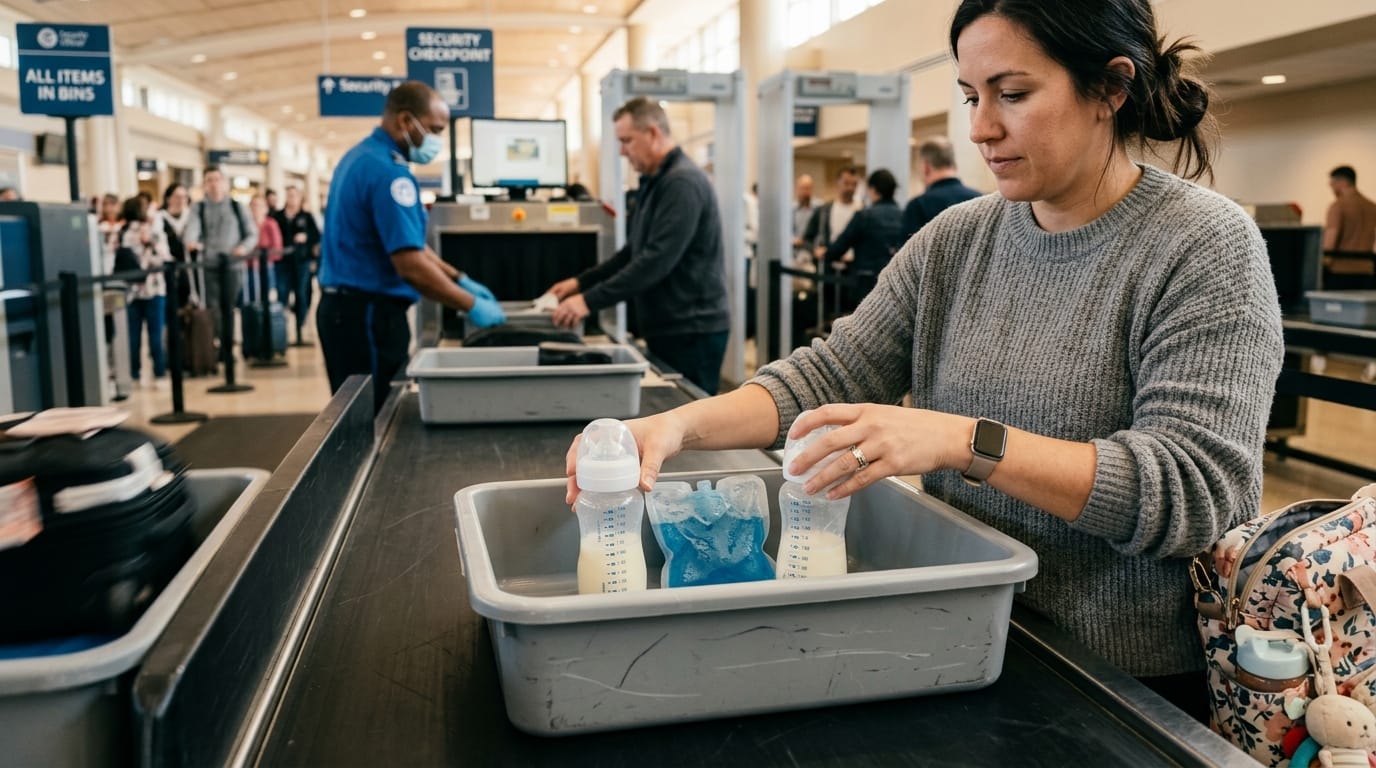
Traveling with a little one can be incredibly stressful, but knowing the exact tsa rules for baby formula and water can save you from massive headaches at the airport.
If you are a new parent planning a flight, you probably have a million questions about what you can and cannot bring through airport security.
Will they throw away your expensive formula? Will they force you to dump out your baby’s purified water?
Take a deep breath and relax, because this comprehensive guide is here to clear up all the confusion.
We will walk you through everything you need to know to breeze through security with your little one’s meals perfectly intact.
Understanding the Basics: What Are the Rules?
The Transportation Security Administration (TSA) has strict guidelines regarding liquids, commonly known as the 3-1-1 rule.
This rule usually limits passengers to travel-sized containers that are 3.4 ounces (100 milliliters) or less per item.
However, there is excellent news for traveling parents: baby formula, breast milk, and toddler drinks are considered medically necessary liquids.
This means they are absolutely exempt from the standard 3-1-1 liquid rules.
You are allowed to bring these items in quantities greater than 3.4 ounces in your carry-on baggage.
Does This Apply to Water?
Yes, the exception for medically necessary liquids also applies to water used for mixing baby formula.
You do not have to rely on purchasing expensive bottled water inside the terminal or asking flight attendants for warm water.
You can bring your own sterilized water, nursery water, or distilled water from home.
However, you must declare these items to the TSA officer at the beginning of the screening process.
How Much Baby Formula and Water Can You Bring?
One of the most common questions parents ask is exactly how much formula and water they are allowed to pack.
The TSA states that parents can bring “reasonable quantities” of these items.
What Does “Reasonable Quantities” Mean?
The term “reasonable” is intentionally left a bit vague by the TSA to accommodate different travel situations.
What is considered reasonable depends entirely on the length of your flight, potential layovers, and unexpected delays.
If you are taking a short two-hour domestic flight, packing a gallon of nursery water might be flagged as unreasonable.
However, if you are traveling internationally with multiple layovers, bringing several large bottles of liquid formula and water is completely acceptable.
A good rule of thumb is to pack enough food and water to cover your total travel time, plus an extra 24 hours’ worth of supplies in case of emergencies or flight cancellations.
Powdered Formula vs. Liquid Formula: Which is Better for Travel?
When it comes to the TSA rules for baby formula and water, the type of formula you choose to bring can impact your screening experience.
Both powdered and liquid formats are perfectly fine to bring on an airplane, but they are screened differently.
Rules for Powdered Baby Formula
Powdered substances are not subject to the same strict liquid rules, making them a popular choice for traveling parents.
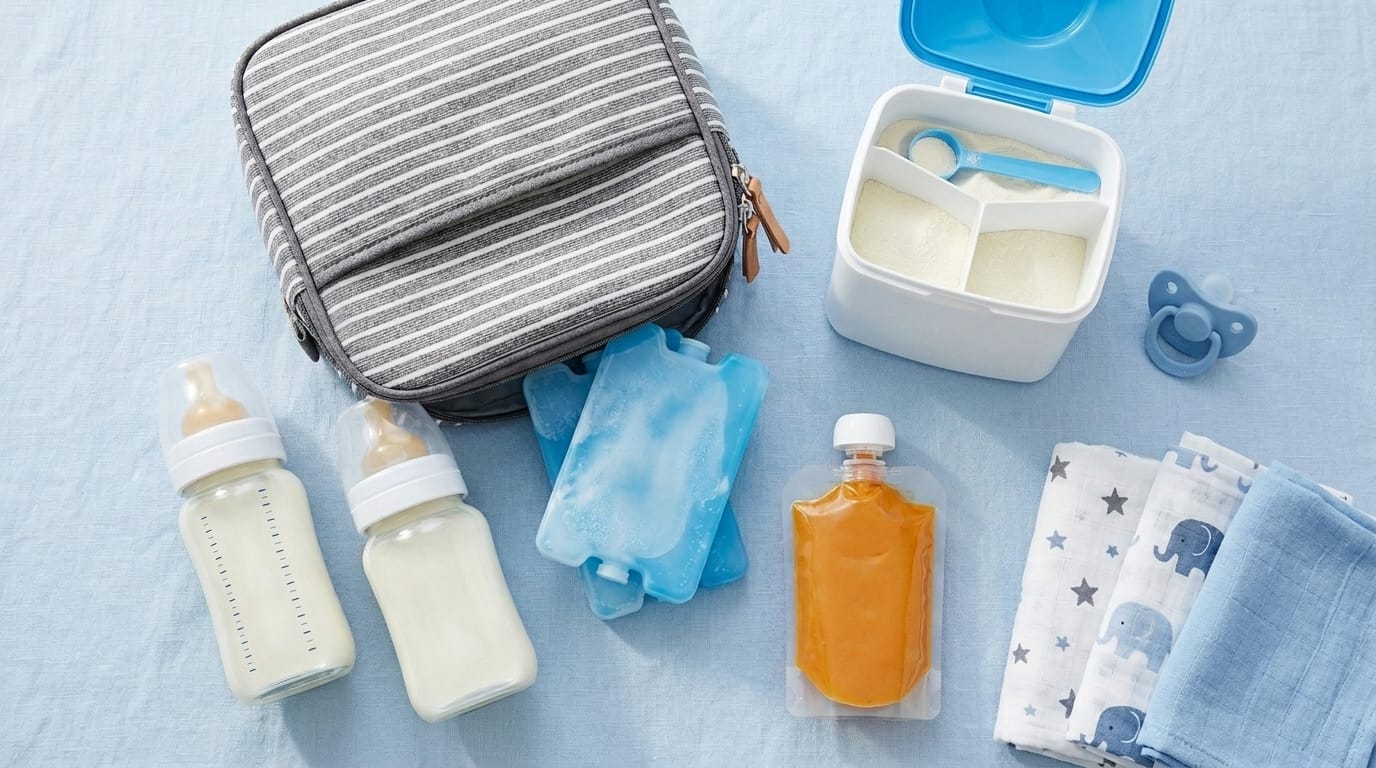
However, if you bring more than 12 ounces (350 milliliters) of powdered formula, it will require separate screening.
You will need to take the container out of your carry-on bag and place it in a separate bin for the X-ray machine.
To make things easier, it is highly recommended to pack powdered formula in its original, sealed container whenever possible.
If you use formula dispensers, make sure they are clear and easy for the agents to inspect.
Rules for Ready-to-Feed Liquid Formula
Ready-to-feed formula is incredibly convenient for travel because it requires no mixing and no additional water.
Since it is a liquid, it falls strictly under the medically necessary exemption we discussed earlier.
You can bring large bottles or multiple small single-serve bottles of ready-to-feed formula.
Just like water, you must declare liquid formula to the TSA agent before your bags go through the X-ray machine.
Keep in mind that liquid items will undergo additional screening, which may take a few extra minutes of your time.
The TSA Screening Process for Baby Items: What to Expect
Knowing the rules is only half the battle; knowing exactly how the screening process works will help calm your travel anxiety.
When you arrive at the security checkpoint, organization and clear communication are your best tools.
Step 1: Declare Your Items
Before you put your bags on the conveyor belt, immediately inform the TSA officer that you are traveling with baby formula and water.
Point out exactly which bag contains these items so the officers know what to expect.
Being proactive and polite goes a long way in ensuring a smooth and hassle-free screening process.
Step 2: Separate Your Liquids and Powders
Remove your baby formula, water bottles, and any breast milk from your carry-on luggage.
Place these items in a separate screening bin so they do not obstruct the view of your other belongings.
If you keep them inside your diaper bag, the X-ray machine operator will flag the bag, resulting in a full manual search.
Step 3: Additional Testing Methods
Because you are carrying liquids larger than 3.4 ounces, the TSA is required to perform additional tests.
They will not ask you to taste the formula or water, as this is against their official policy.
Instead, they may ask you to open the bottles so they can hover a small test strip over the liquid to detect explosive vapors.
Can You Refuse to Open the Bottles?
Yes, you have the right to refuse to open your formula or sterilized water if you are worried about contamination.
If you choose not to open the containers, the TSA officer will need to use alternative screening methods.
This usually involves a thorough pat-down of the parents and a comprehensive manual search of all carry-on luggage.
While it is your right to refuse, be aware that this will significantly increase the time it takes to get through security.
Packing Strategies for a Smooth Security Experience
How you pack your carry-on bags can make a massive difference in how quickly you get through the TSA checkpoint.
A well-organized diaper bag is a parent’s best friend during the chaotic moments of air travel.
Use Clear Travel Bags
Whenever possible, pack your baby’s liquids and powders in clear, transparent pouches.
This allows the TSA agents to instantly see what you are carrying without having to dig through your personal items.
Clear bags also prevent cross-contamination if a bottle happens to leak during your journey.
Keep Baby Items Easily Accessible
Pack your formula, water, and baby food at the very top of your carry-on or in an easy-to-reach exterior pocket.
You do not want to be the person holding up the security line while you rummage through the bottom of a stuffed backpack.
Having everything ready to pull out in seconds will keep your stress levels low and the line moving quickly.
Traveling With Your Little One
Remember that the medically necessary exemption applies specifically when you are traveling with your infant or toddler.
If you are flying with your baby, the agents will easily visually confirm why you need these large quantities of liquids.
Make sure your stroller is also folded and ready to go through the X-ray machine, or request a manual inspection if it doesn’t fit.
What About Cooling Accessories?
Formula, breast milk, and baby food often need to be kept cold to prevent spoiling during long travel days.
The TSA has specific guidelines regarding the cooling accessories you can bring through security.
Ice Packs and Gel Packs
You are allowed to bring ice packs, freezer packs, and gel packs to keep your baby’s food and liquids cool.
These items are also considered medically necessary and are exempt from the standard 3-1-1 liquid rule.
However, there is a very important catch: the ice packs must be completely frozen solid when they go through security.
What If the Ice Packs Are Melting?
If your ice packs are partially melted and slushy, they are no longer considered solid items.
At this point, the melted liquid inside the pack is subject to the 3.4-ounce liquid rule.
If a slushy ice pack is larger than 3.4 ounces, the TSA agent may confiscate it and throw it away.
To avoid this, pack your coolers at the last possible minute and use high-quality ice packs that stay frozen for hours.
Essential Travel Gear for Flying with a Baby
Investing in the right travel accessories can transform a stressful flight into a manageable, and even pleasant, experience.
You don’t need to buy every gadget on the market, but a few strategic purchases will save your sanity.
Insulated Cooler Bags
A high-quality, heavily insulated cooler bag is an absolute must-have for traveling parents.
Look for bags specifically designed for baby bottles, as they usually feature compartments for tall bottles and built-in ice pack sleeves.
You can find a massive variety of these travel-friendly cooler bags on amazon, complete with customer reviews to help you choose.
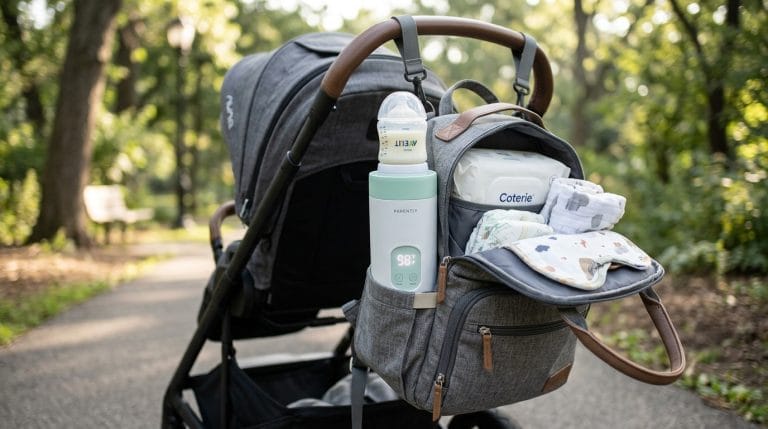
Portable Bottle Warmers
If your baby prefers warm formula, a portable bottle warmer will be a lifesaver on the airplane.
There are models that use battery power to gently heat liquids, and others that use a thermos filled with hot water.
Since you cannot always rely on flight attendants to have hot water readily available during turbulence, bringing your own warmer is highly recommended.
Formula Dispensers
Pre-measuring your powdered formula into segmented dispensers saves you from dealing with messy scoops while sitting in cramped airplane seats.
Look for dispensers with secure, snap-on lids so the powder doesn’t spill into your diaper bag.
These small, inexpensive tools will make feeding your baby mid-flight incredibly fast and easy.
Breast Milk vs. Formula: Are the Rules Different?
While the core exemptions are the same, there are slight nuances when dealing with breast milk compared to formula and water.
Breast milk is also considered a medically necessary liquid, meaning you can bring it in quantities exceeding 3.4 ounces.
Traveling Without Your Baby
One major difference is that you are allowed to bring breast milk through security even if your baby is not traveling with you.
Many working mothers need to travel for business and must pump to maintain their milk supply.
The TSA fully allows mothers to carry on breast milk and pumping equipment without the child present.
However, this exception generally does not apply to baby formula or sterilized baby water.
If you are traveling without your infant, you will likely not be allowed to bring large quantities of formula or baby water through the checkpoint.
Breast Pumps as Carry-On Items
Breast pumps are considered personal medical devices and are allowed on airplanes.
Most airlines do not count a breast pump bag against your standard carry-on baggage allowance.
However, you should always double-check with your specific airline before heading to the airport, as policies can vary.
Dealing with Difficult TSA Agents: Your Rights as a Parent
While the vast majority of TSA officers are highly professional and understand the rules, you might occasionally encounter an agent who is misinformed.
It is important to know how to advocate for yourself and your baby without escalating the situation unnecessarily.
Know the Rules Before You Go
The best defense against a difficult screening process is knowing the exact TSA rules for baby formula and water better than anyone else.
Take a screenshot of the official TSA website pages detailing the rules for traveling with children and medically necessary liquids.
If an agent tells you that you must throw away your formula, politely pull out your phone and show them the official policy.
Ask for a Supervisor
If a frontline TSA agent refuses to look at the official policy or continues to give you a hard time, do not argue aggressively.
Simply state, “I understand you are doing your job, but I would like to request a supervisory TSA officer to review this.”
Supervisors undergo more extensive training and are generally much more familiar with the specific exemptions for infant travel.
Request New Gloves
When agents need to perform additional testing on your baby’s bottles, hygiene is incredibly important.
You have the absolute right to request that the TSA officer put on a fresh, clean pair of gloves before handling your baby’s items.
Do not be afraid to speak up; protecting your baby from harmful germs is your priority, and agents are required to comply with this request.
Domestic vs. International Flights: What to Watch Out For
The rules we have discussed primarily apply to flights departing from airports within the United States.
However, if you are traveling internationally, you need to be prepared for slightly different procedures.
Departing the United States
When you are leaving the U.S., the TSA will screen your baby formula and water just like any domestic flight.
The standard medically necessary exemptions apply, and you should follow all the packing and declaration steps outlined above.
Returning to the United States
When you are flying back to the U.S. from a foreign country, you will be subject to the security rules of that specific nation’s aviation authority.
While most countries have similar rules for baby items, they are not always as generous as the TSA.
For example, some European airports may have stricter definitions of what constitutes a “reasonable quantity.”
Always research the airport security rules of your departure country before your return flight to avoid unexpected confiscations.
Customs and Agricultural Checks
When landing internationally or returning home, be prepared to declare your baby food, formula, and water at Customs.
Some countries have strict agricultural rules prohibiting certain dairy products from entering their borders.
While powdered and commercially sealed liquid formulas are usually fine, it is always better to declare them to avoid hefty fines.
The Benefits of TSA PreCheck for Traveling Families
If you plan on flying more than once a year with your family, investing in TSA PreCheck is arguably the best decision you can make.
TSA PreCheck is a trusted traveler program that expedites your journey through airport security.
Why PreCheck Matters for Parents
With TSA PreCheck, you do not have to remove your shoes, belts, or light jackets.
More importantly, you generally do not have to remove standard 3-1-1 liquids or laptops from your carry-on bags.
This saves a tremendous amount of time and physical effort when you are already juggling a baby, a stroller, and multiple bags.
Does PreCheck Change the Formula Rules?
While PreCheck makes the standard screening faster, you still must declare your oversized medically necessary liquids.
You must still inform the agent about your large quantities of baby formula and water.
These items may still require separate X-ray screening and vapor testing, even in the PreCheck line.
However, because the PreCheck line is generally less chaotic and the agents deal with experienced travelers, the process is often much smoother.
Kids and PreCheck
One of the greatest perks is that children 12 and under can join their parents in the TSA PreCheck line for free.
They do not need their own separate membership as long as they are traveling with an eligible parent or guardian.
This means your entire family can breeze through security together, significantly reducing your pre-flight stress.
Frequently Asked Questions (FAQs)
To ensure this guide leaves no stone unturned, we have compiled the most frequently asked questions regarding airport security and baby meals.
1. Can I bring an open container of liquid formula through security?
Yes, you can bring partially consumed or opened bottles of liquid formula through the TSA checkpoint. However, open containers are almost guaranteed to require additional vapor testing by the agents.
2. Is there a specific age limit for the “infant and toddler” exemption?
The TSA does not clearly define the exact age cut-off for what constitutes a toddler. Generally, if your child is under the age of 3 and clearly still relies on formula or specialized toddler drinks, the agents will apply the exemption.
3. Can I bring pureed baby food pouches?
Yes, pureed baby food in pouches or jars falls under the same medically necessary liquid exemption as formula and water. You can bring reasonable quantities, and they will be subject to the same separate screening rules.
4. What if my baby has special dietary needs or allergies?
If your child requires a highly specialized prescription formula, you can absolutely bring it. It is recommended to carry a doctor’s note explaining the medical necessity, just in case an agent questions the quantity you are carrying.
5. Can I bring juice for my toddler?
Yes, reasonable quantities of juice are allowed for traveling toddlers. Just like water and formula, you must declare the juice to the TSA officer before your bags go through the scanner.
6. Will the X-ray machine harm the baby formula or water?
No, the X-ray machines used at airport security checkpoints are perfectly safe for food and beverages. They do not leave any harmful radiation on your baby’s formula, water, or breast milk.
7. Can I bring a thermos of hot water for mixing formula?
Yes, you can bring a thermos filled with hot water. You must declare it as water for baby formula, and the agent will likely ask you to open the thermos to perform a vapor test on the liquid inside.
Preparing for the Flight: A Quick Checklist
To wrap things up, here is a quick checklist to review the night before your big flight.
Following these simple steps will ensure you are completely prepared for the security checkpoint.
-
Calculate Your Needs: Pack enough formula and water for the flight duration, plus an extra 24 hours.
-
Use Clear Bags: Pack all liquids, powders, and purees in transparent bags for easy inspection.
-
Freeze Your Packs: Ensure all gel and ice packs are frozen solid before leaving for the airport.
-
Keep It Accessible: Pack baby liquids at the top of your bag so you can pull them out instantly.
-
Declare Everything: Remember to verbally inform the TSA agent about your items before the screening begins.
-
Know Your Rights: Don’t hesitate to ask for fresh gloves or a supervisor if needed.
Conclusion
Navigating airport security with an infant does not have to be a nightmare if you come prepared.
By fully understanding the tsa rules for baby formula and water, you take the guesswork out of your travel day.
Remember that you are fully entitled to bring the nourishment your baby needs, regardless of the standard liquid restrictions.
Pack intelligently, declare your items confidently, and don’t be afraid to politely advocate for your child’s needs.
If you found this guide helpful, please share it with other traveling parents who might be feeling anxious about their upcoming flights!
Have you ever had a unique experience with TSA while traveling with baby items?
Drop a comment below and share your personal tips and stories with our community!